The Changing Taste of Climate
01
Seeds Kept Alive Through Generations
You hear it first at the table. Someone cuts open a mango, takes a bite, pauses, and says (almost apologetically) that it doesn’t taste the same anymore. Not worse, exactly. Just thinner. Quieter. As if something has been left out.
In the Konkan, this pause carries weight. This is a region that has been watched, tasted, and lived in for tens of thousands of years. Its memory has been held not in texts alone, but in soil, stone, and habit. Long before roads cut through the Sahyadris or markets demanded uniform fruit.
The people here learned the land through repetition: when the rains would soften the laterite, when the creeks would turn brackish, when mangoes would swell slowly enough to gather sweetness. Taste was never incidental. It was how the land spoke back.
02
Fields That Grow Together
Through the eyes of Rahul, a homestay owner at the Farm of Happiness, both language and food once followed a grammar and dialect. There was the formal grammar of how the land fed you, and then the inflections of its dialect. Slight shifts in soil, in shade, and the simple proximity to a creek that could alter how something tasted - the same way a single word can shift meanings across villages. Food was determined by what the land grew, not preference or fashion. The tongue naturally learned these distinctions without having to name them, just simply by living in harmony with the land long enough to recognise when it spoke in its own accent.
So when the food ceases to taste the same, it isn’t nostalgia speaking. It is observation taking shape.
03
The Wisdom Hidden In Native Seeds
For farmers like Omkar Ranade, who is trained as a mechanical engineer, this observation is part inheritance, part recalibration.
The land he works today does not follow the rhythms his ancestors relied on. Flowering cycles shift. Rains arrive too hard or too late. Harvests that once moved like clockwork now hesitate or collapse. The fruit still grows, but its flavour tells a different story - one of disrupted timing rather than failed effort.
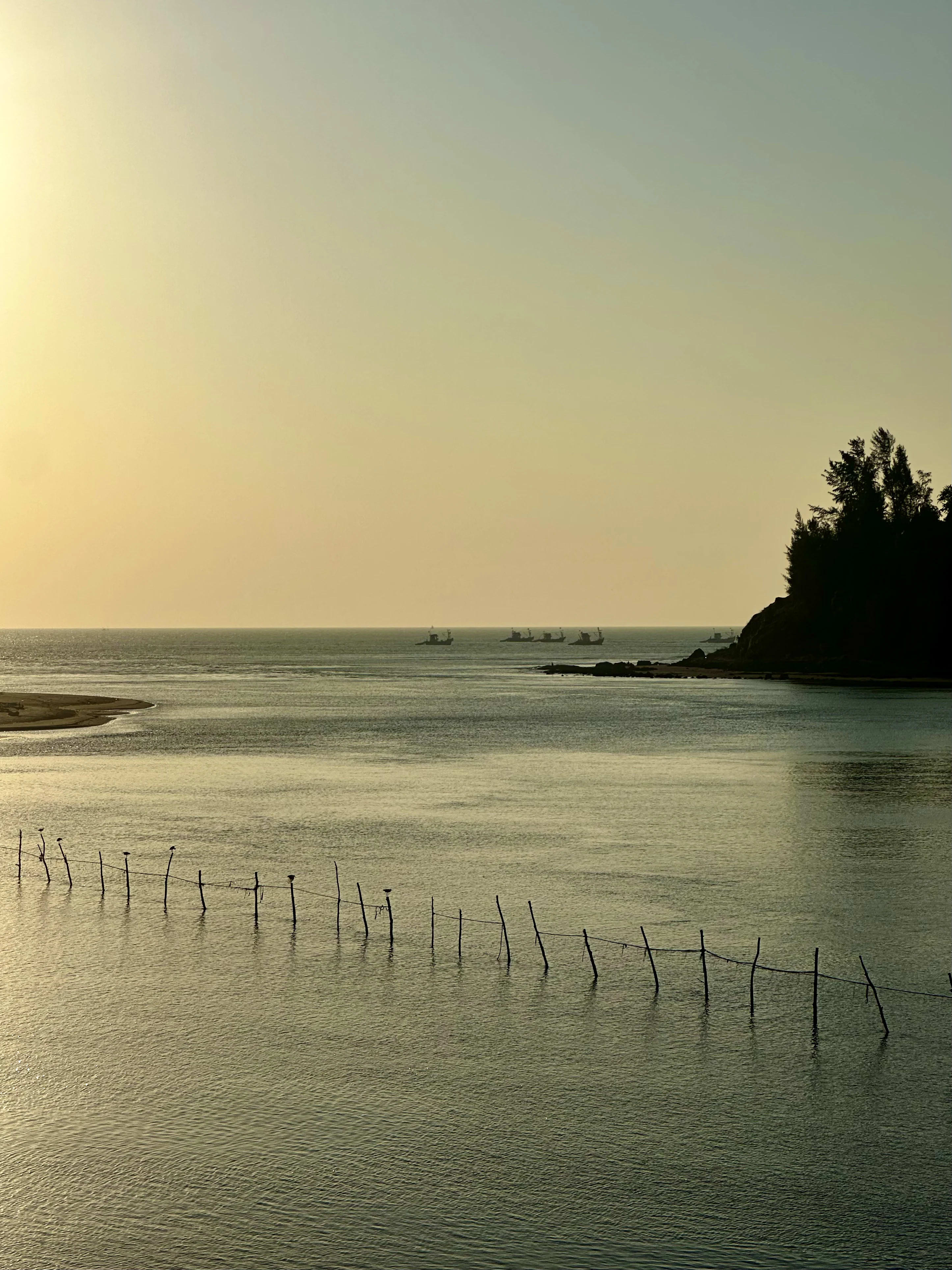
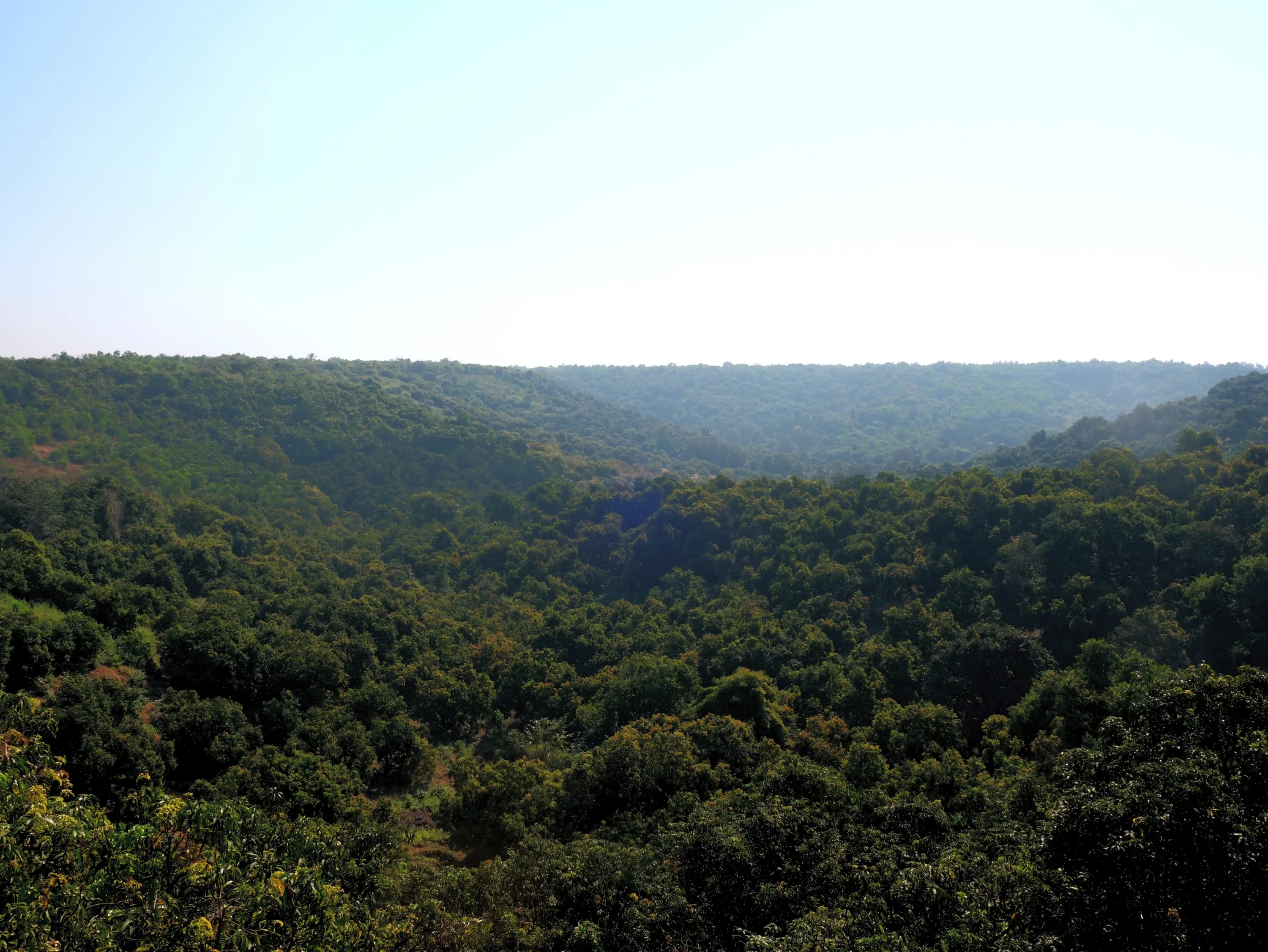
Konkan’s flavour has always come from its contradictions: lateritic soil that leaches under heavy rain, creeks where fresh and salt water meet, mangroves that slow erosion, and a climate that once knew how to pause.
Soil Remembers What Farmers Know
Any yield, be it an Alphonso mango grown in Ratnagiri, will taste the precise way it does because of this unique ecology. Conditions that no neighbouring state, technological advancement, or input can replicate. And so the moment the climate destabilises - the soil chemistry, seasonal pacing, and flavour shifts along with it.
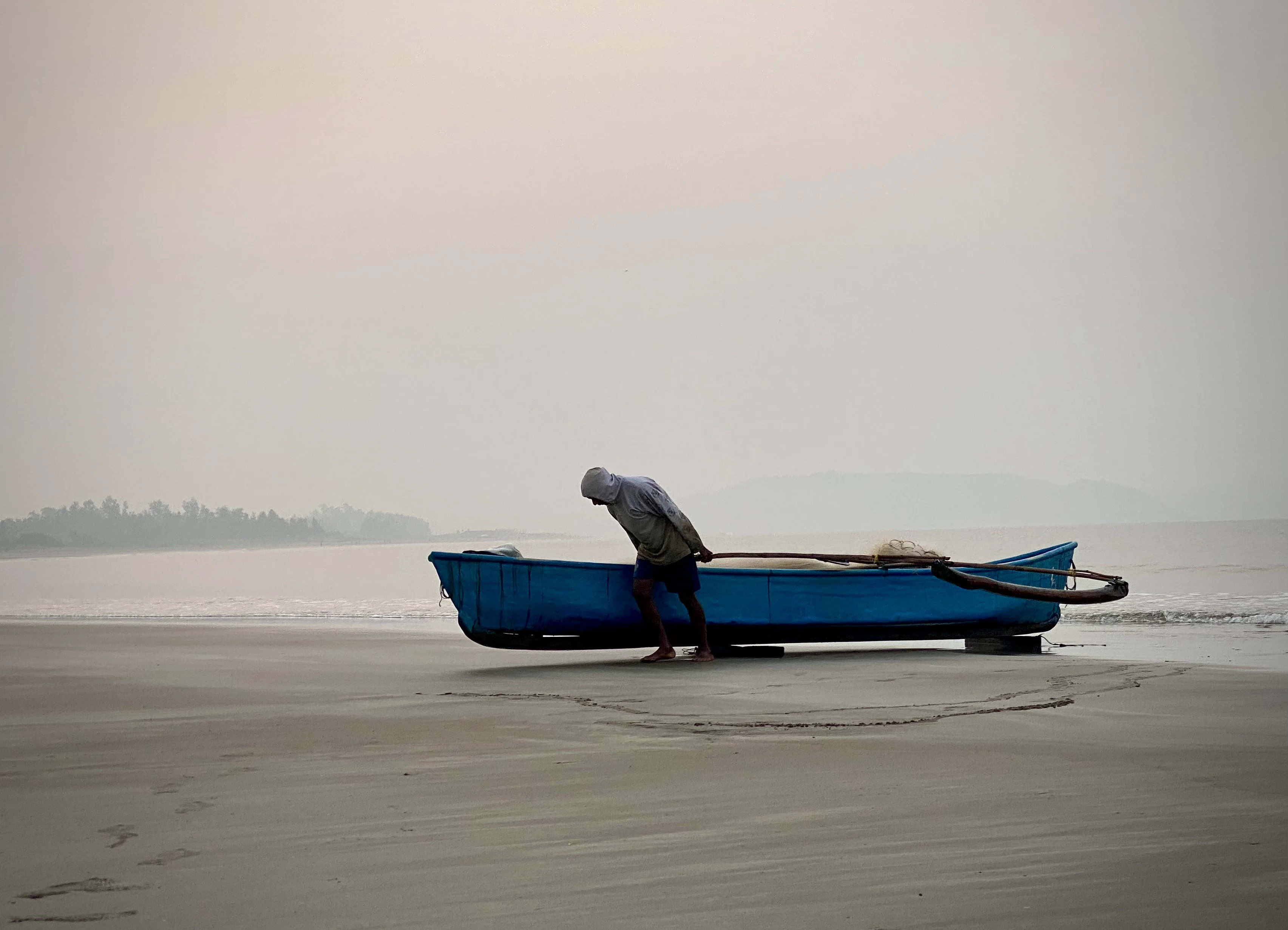
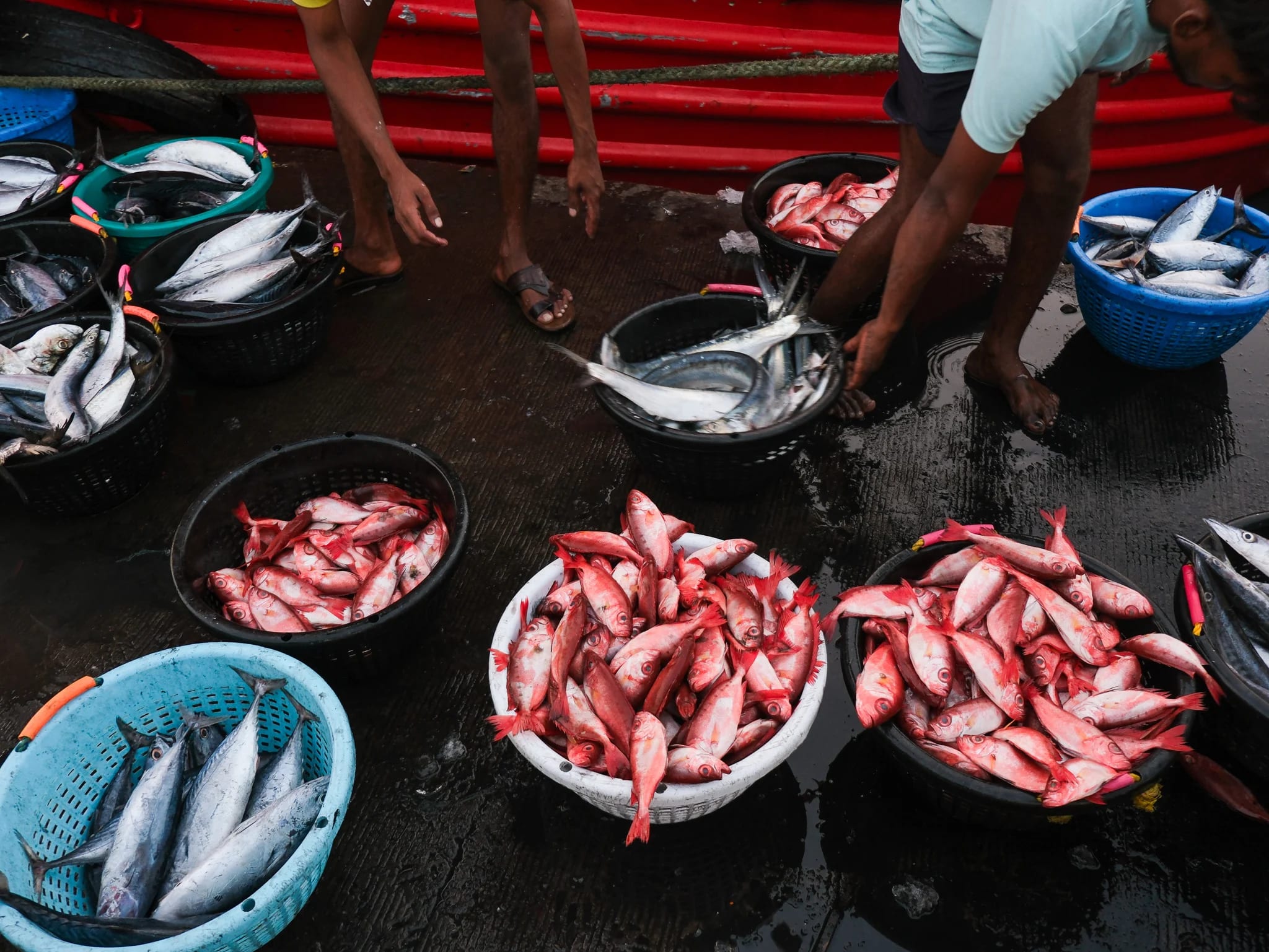
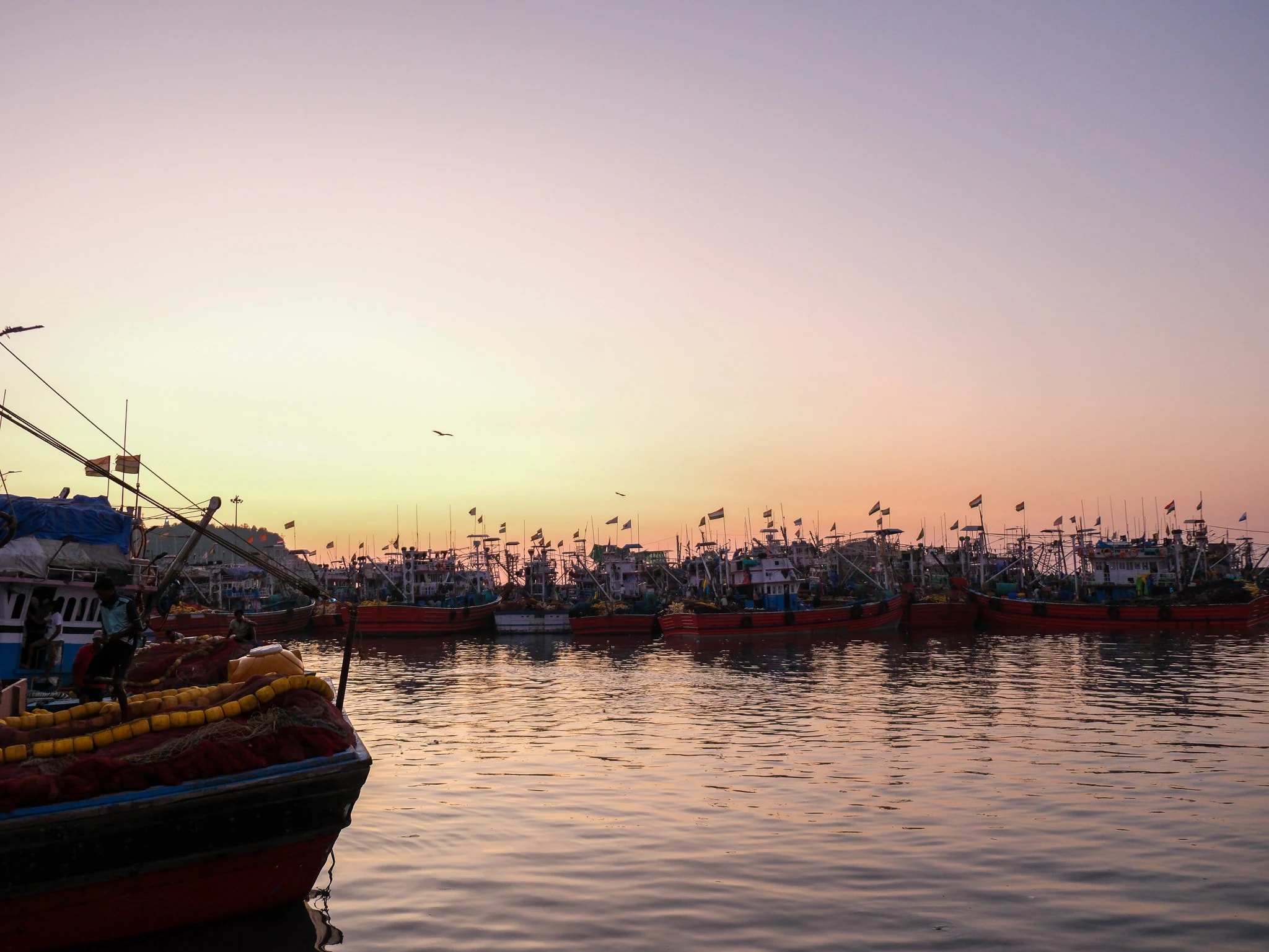
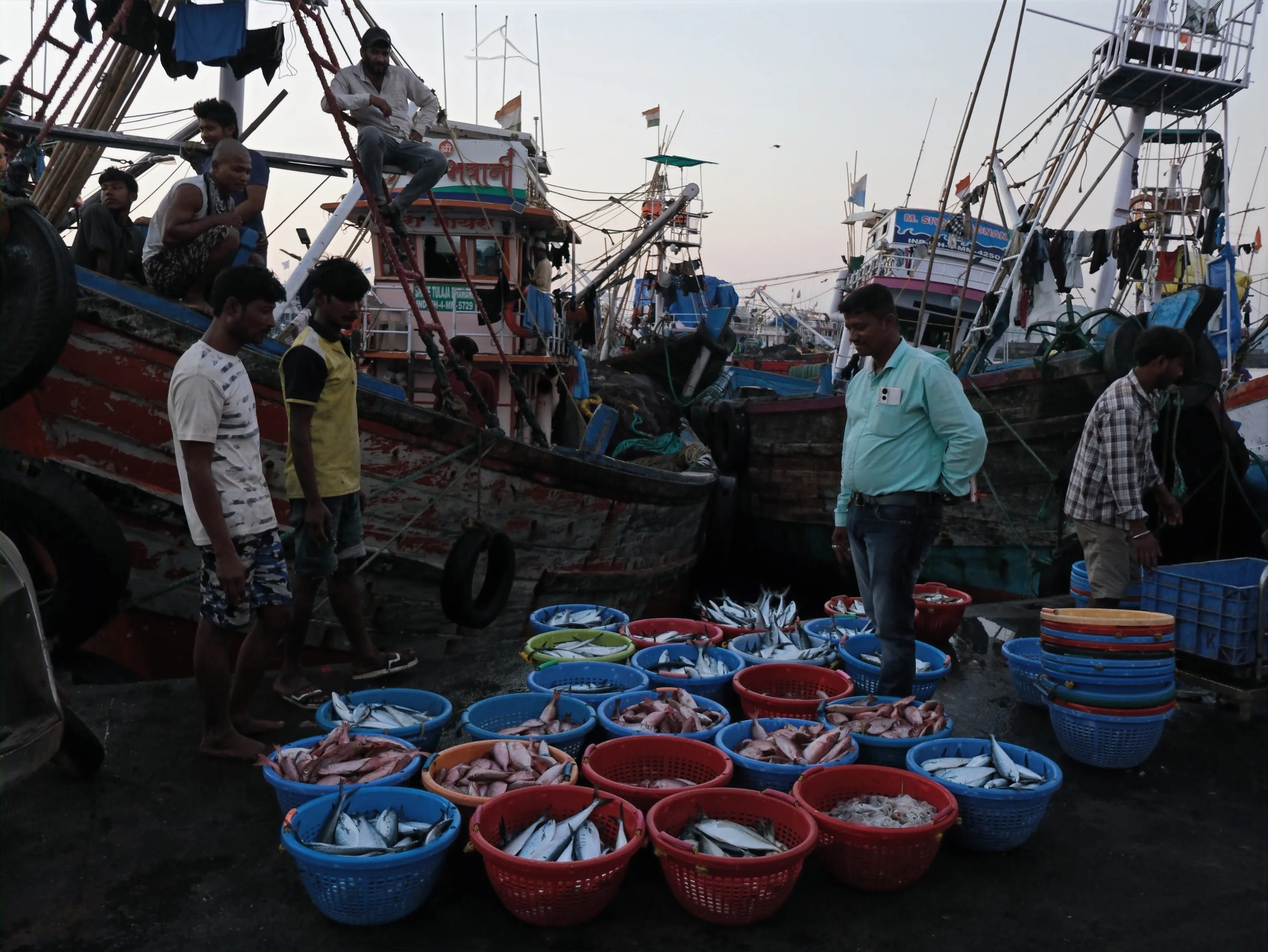
This is knowledge that comes with instinct and livelihood rather than textbooks or instruction. For fishing communities like the Kolis in Maharashtra, seafood bans are not rules imposed out of taboo, but instead a pause chosen with care. When the monsoon turns the sea rough, they step back, repair their boats, mend their nets, and wait. On Narli Purnima, they return to the shore with prayers and a coconut, asking the sea for safety and abundance. This rest follows the rhythm of the ocean itself, allowing fish to spawn and the waters to recover, so that what is taken later is not theft but a shared future. Taste, health, and season worked together as a feedback loop. A way of guiding restraint as much as appetite.
To compensate, inputs step in. Chemical sprays replace impatience. Stabilisation in place of restraint. Pankaj Vaingankar, a homestay owner, notices this not just on the tree but at the table. Fruit that was once so fresh, even the peels could be eaten. Fruit that now looks perfect, travels well, but arrives hollow, laced with chemicals. What was once sweetness built slowly through heat and rest is now hurried into existence.
04
05
Keeping Knowledge Beyond The Harvest
As Rahul rephrases the way his wife Sampadha puts it in the midst of an overworked season, “Today, because I am so busy, can I hire somebody to breathe instead of me? Can I do that?” The answer, of course, is no. Some acts cannot be outsourced. Rest is one of them. So is timing.
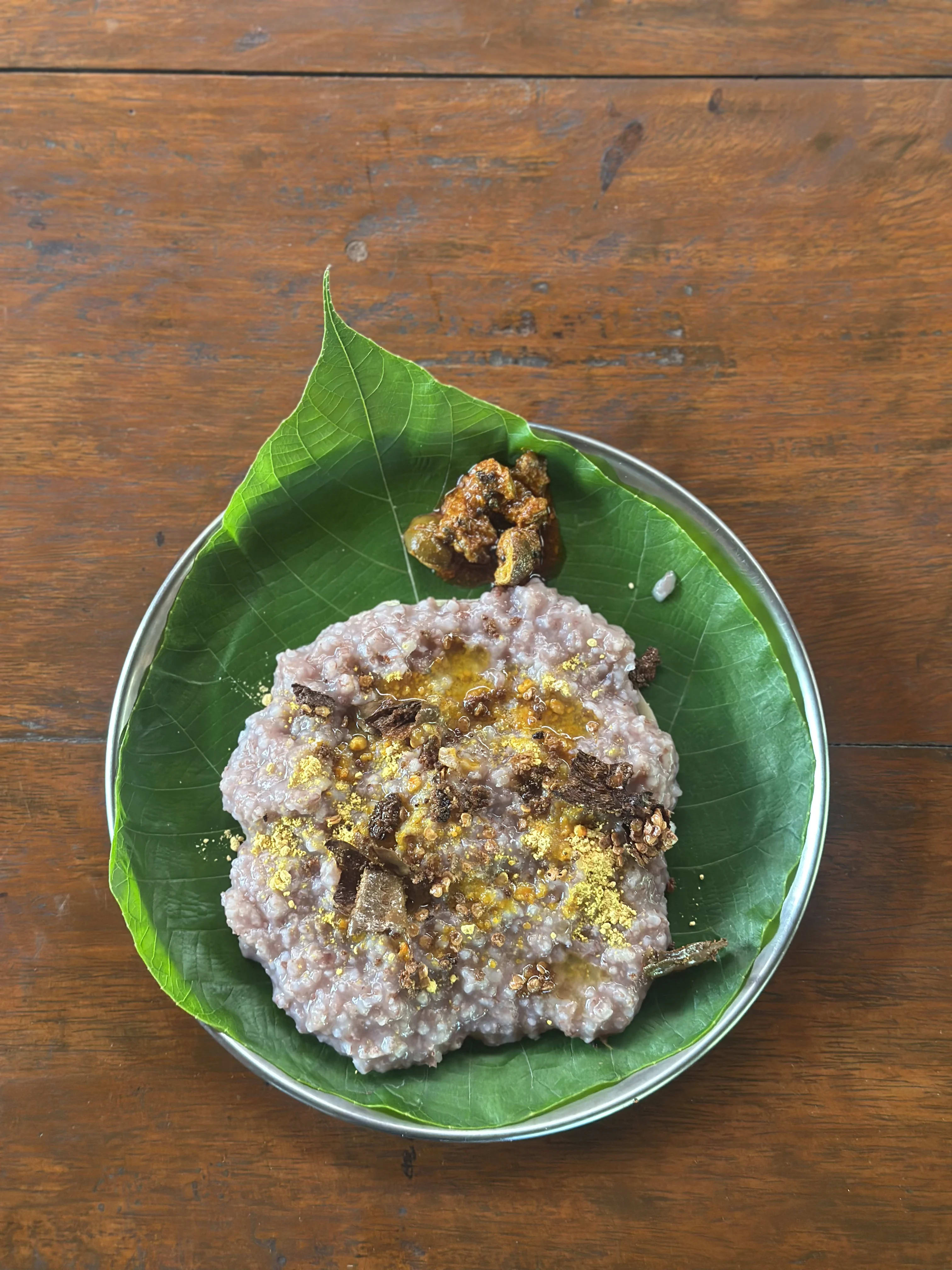
Some of this memory survives in everyday meals. Dishes like Meth Kut Bhat (made from locally grown grams, lentils, turmeric, and fenugreek) reflected a time when ingredients were predictable, labour was shared, and seasons arrived as expected. These were not dishes of indulgence, but of calibration.
06
One Acre, An Entire Ecosystem
Food carried its own dialects here as well. Not every preparation travelled, and not every taste was meant to. What was cooked in one household might never appear in another a few kilometres away. These differences were not curated. They emerged from what grew reliably, from what stored well, from what the season allowed. Over time, the body learned these patterns the way it learned speech. Through repetition, not instruction.
But food was not the only way the Konkan listened to its climate. The season announced itself everywhere. In the heaviness of the air, in the way work retreated indoors, in the collective slowing that the rain enforced. There was time for celebration without marking it as leisure. Time that followed the season. But when that shared pause disappeared, it was not just labour that shifted, but the space in which conversation and collective presence once took shape. Taste was one register of this awareness, but not the only one.
07
Farming With An Uncertain Monsoon
Another was a song. A second cultural timekeeper of the tongue. The arrival of Shravan (the fifth month of the lunar calendar associated with monsoon and fertility) carried the deliberate pause from abundance.
Women gathered indoors or under covered spaces, their voices moving in rhythm with rain that was once expected to arrive steadily, not violently. Ovi, jhimma, and fugdi songs followed agricultural time - a time when the sowing was complete, the fishing paused, and when the land and sea finally rested.