The Culture of Diversity
01
Seeds That Outlive Generations
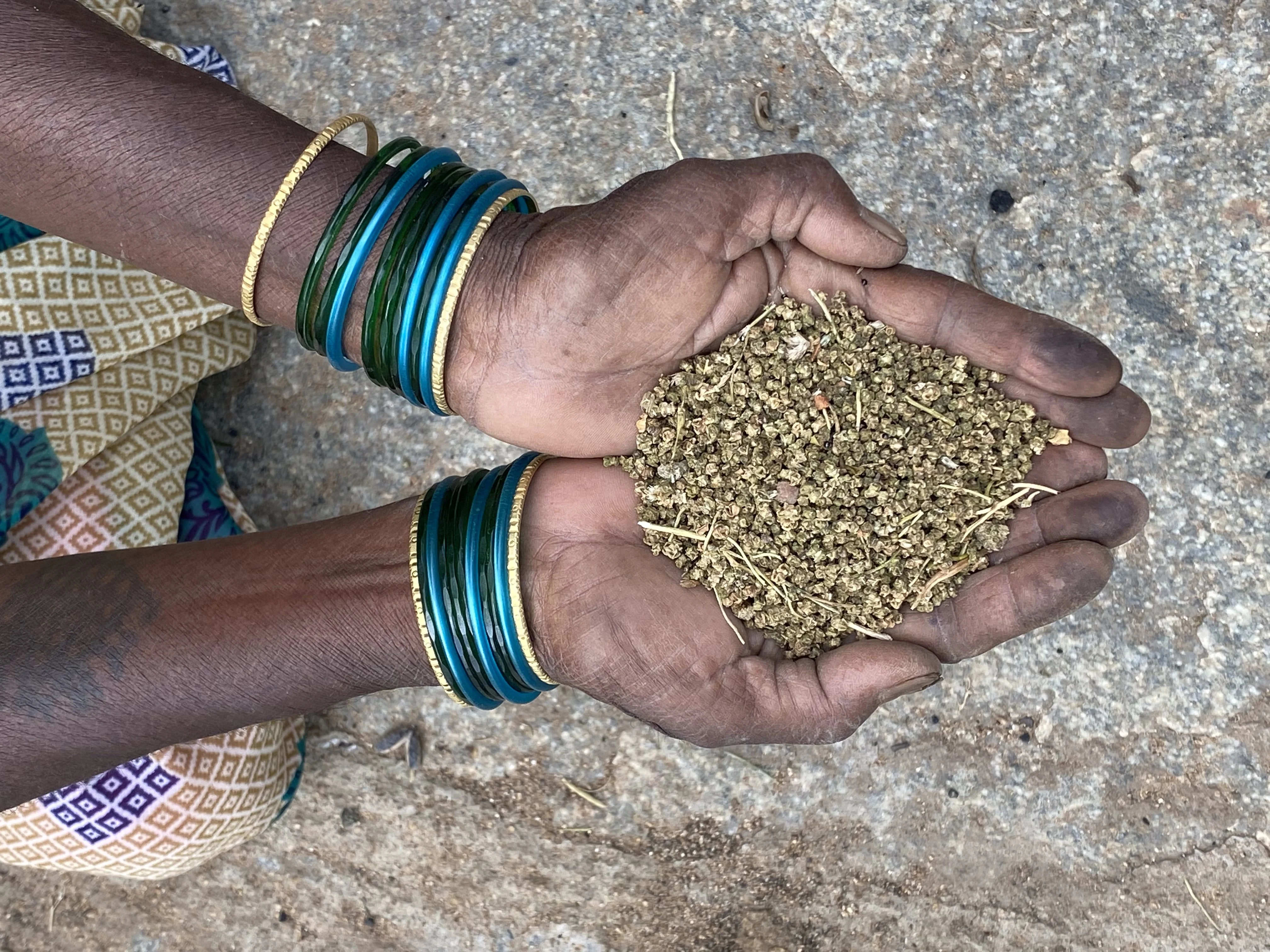
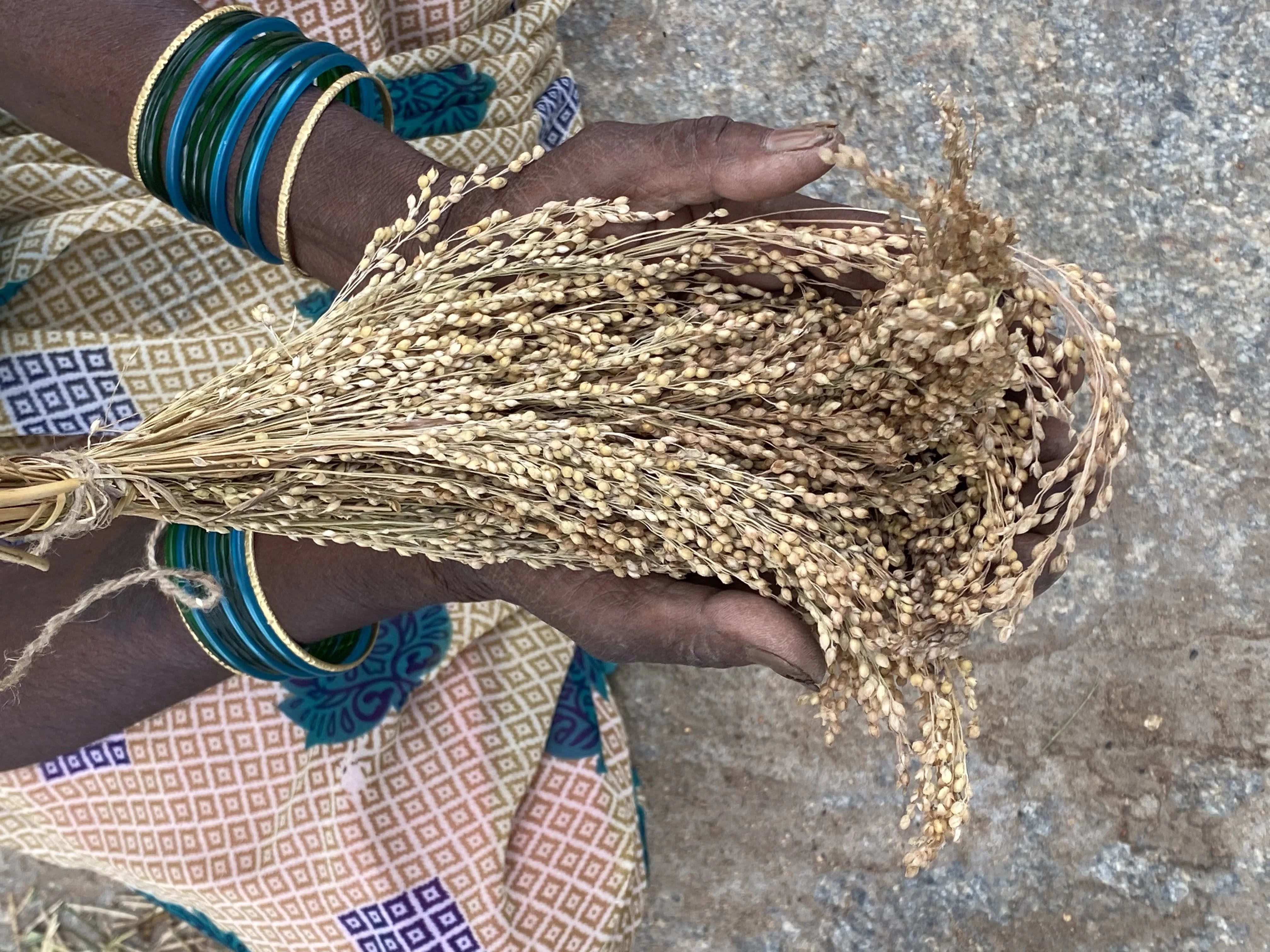
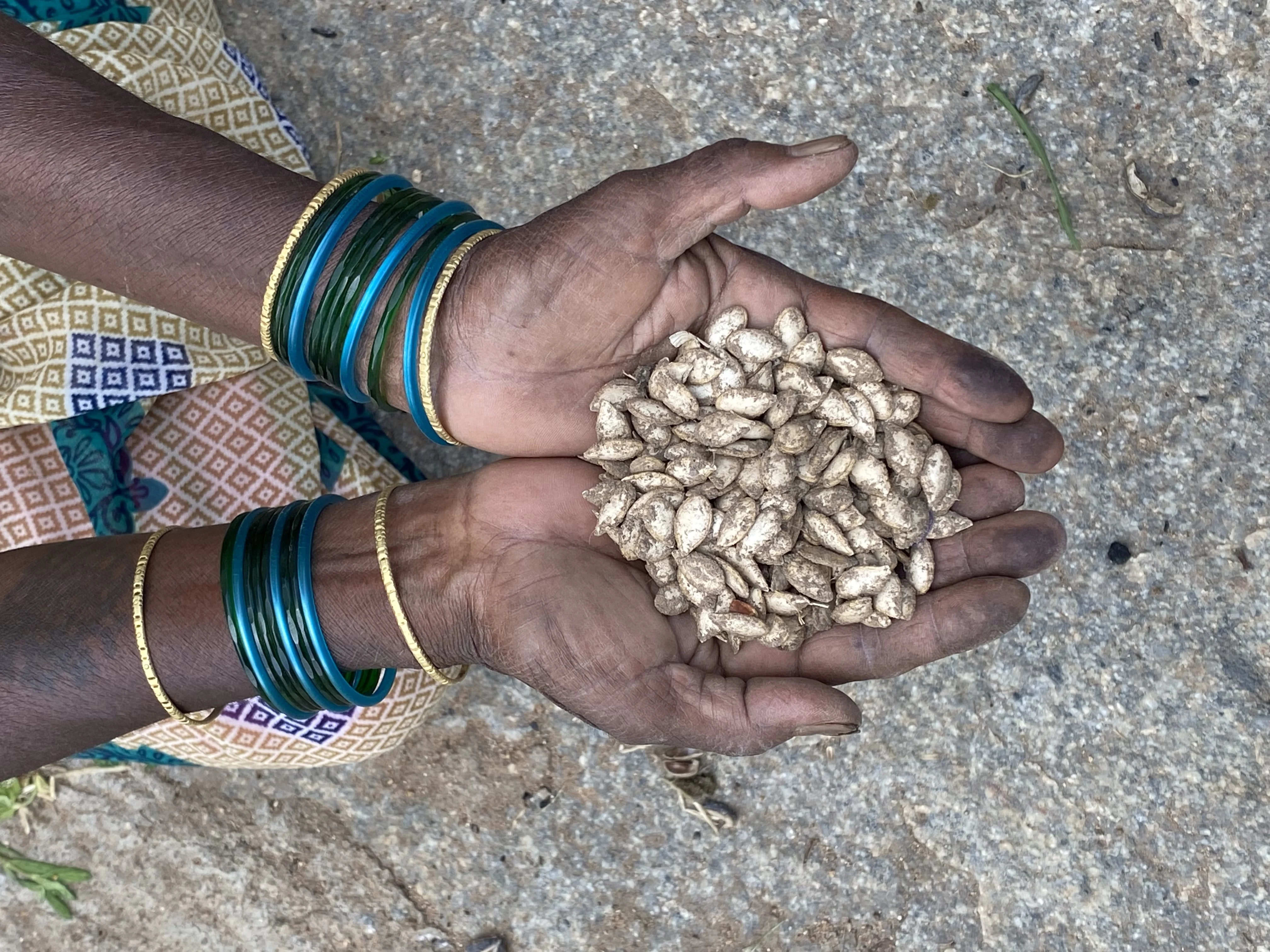
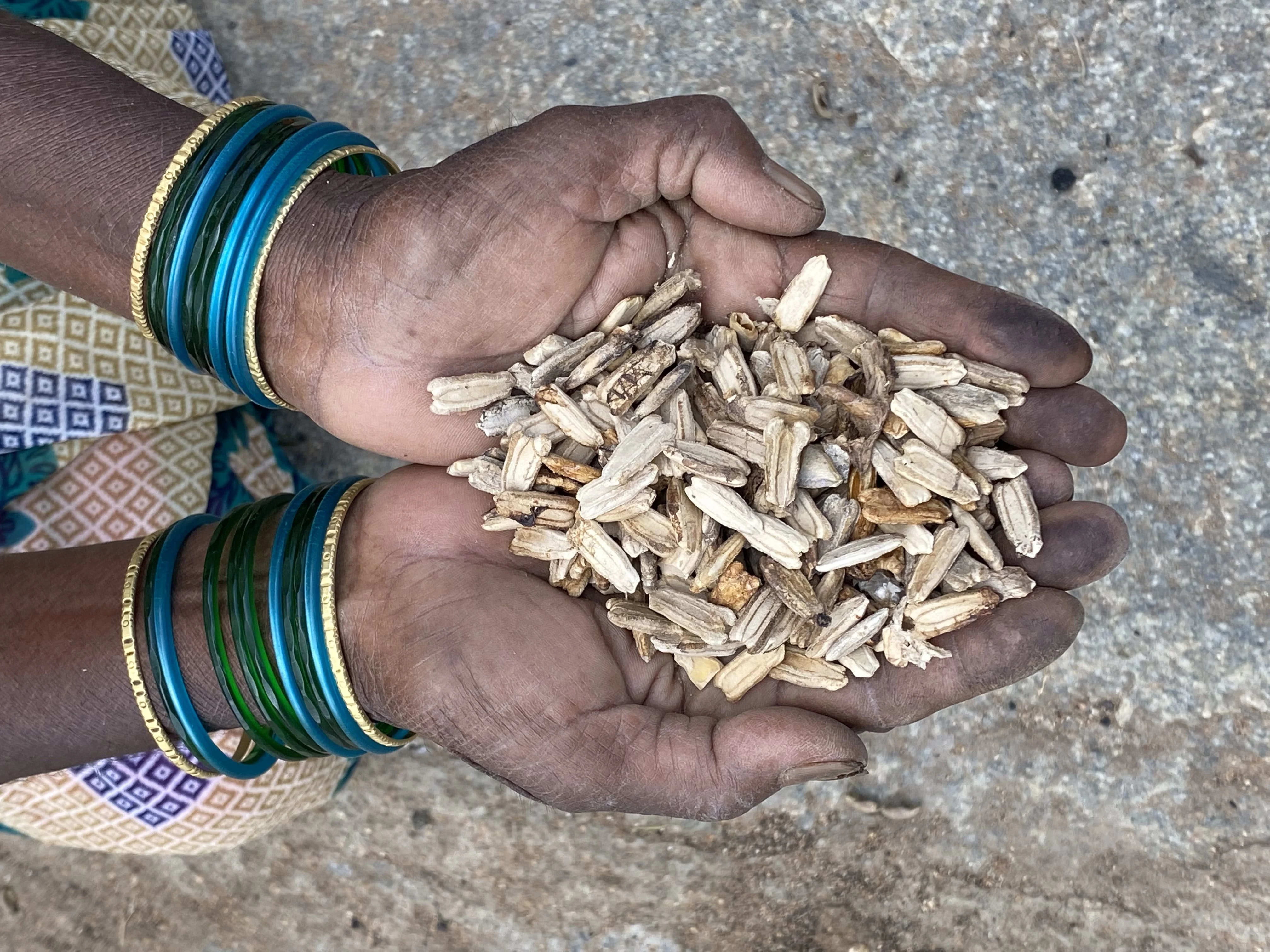
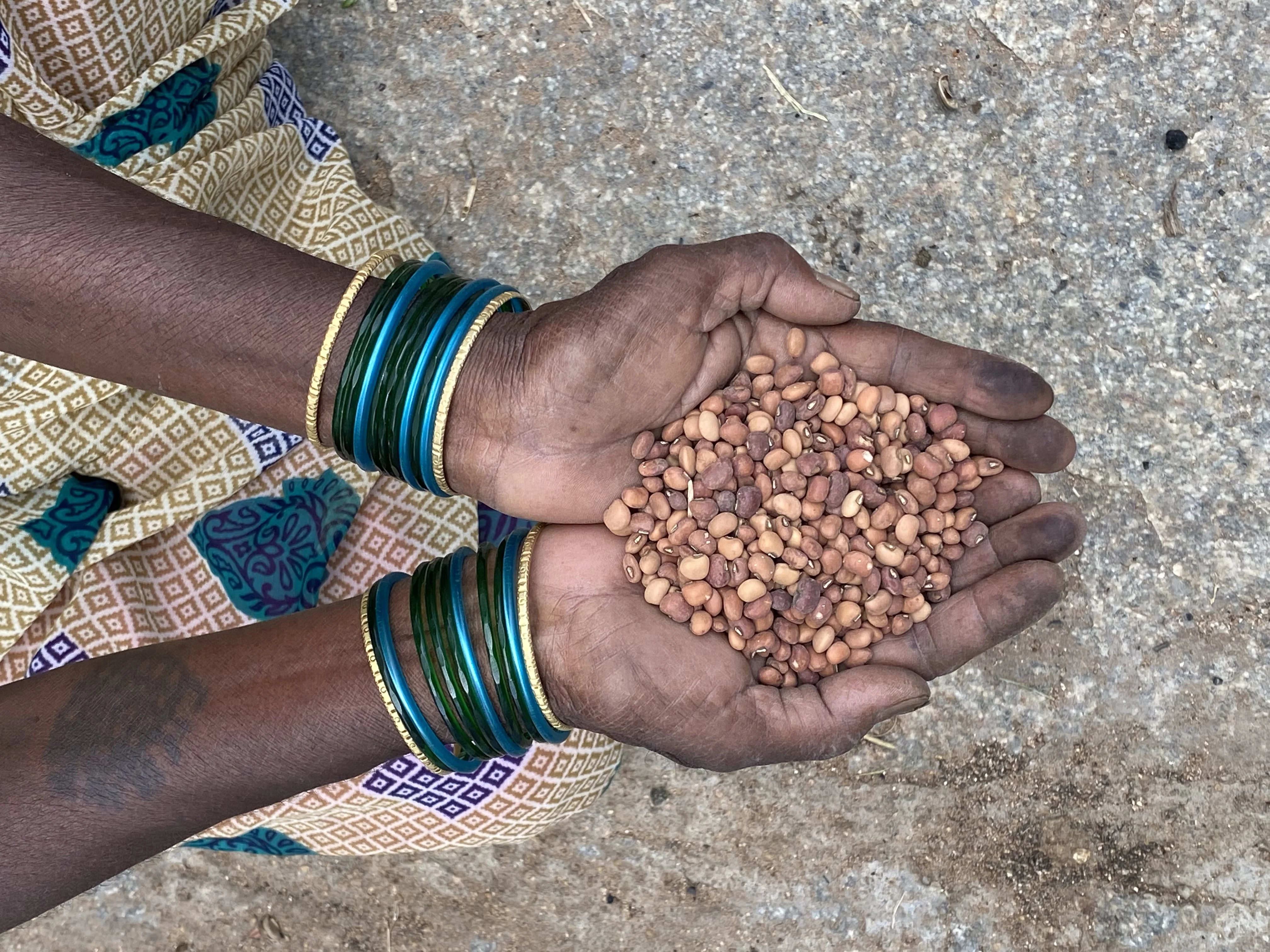
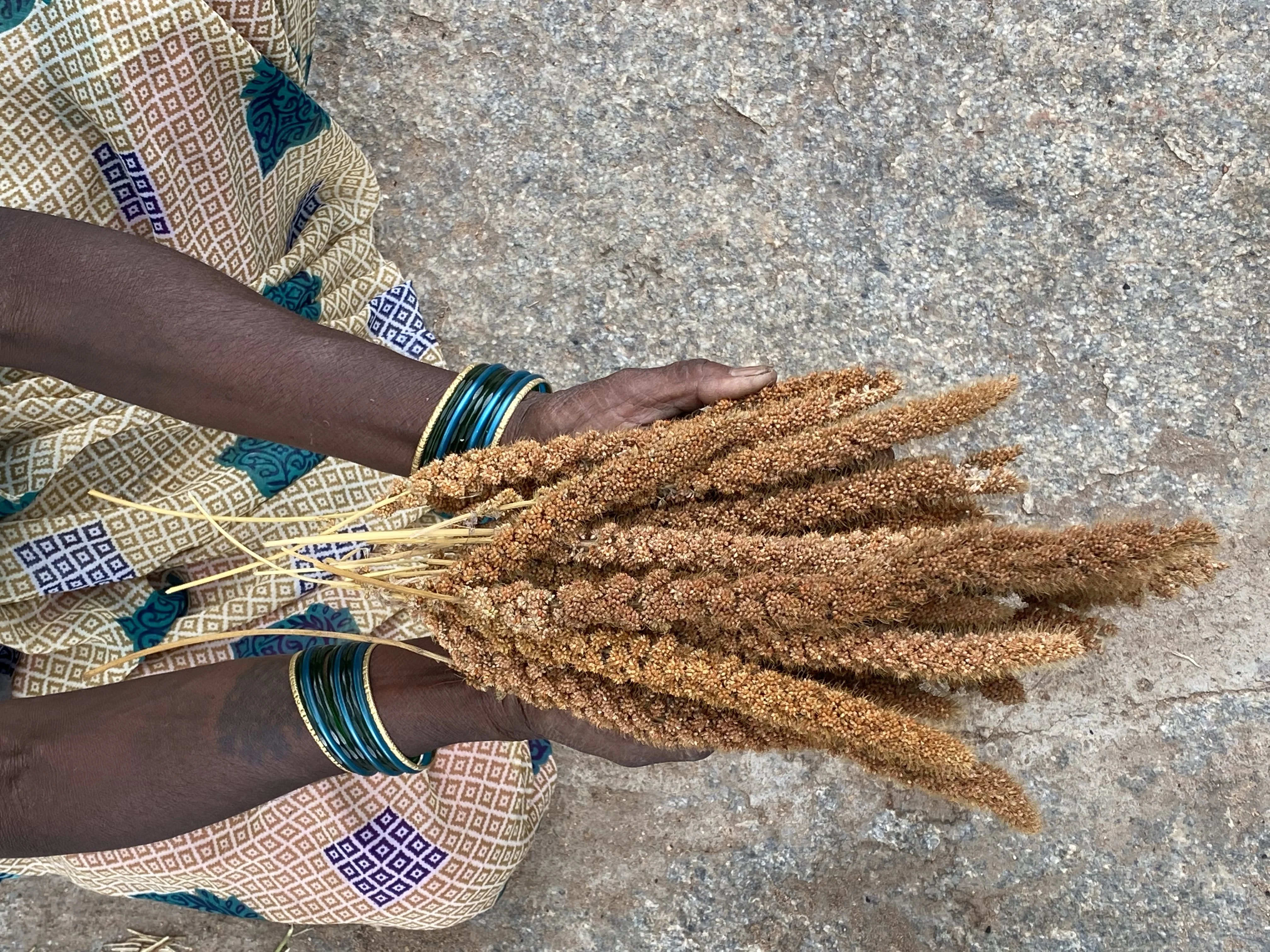
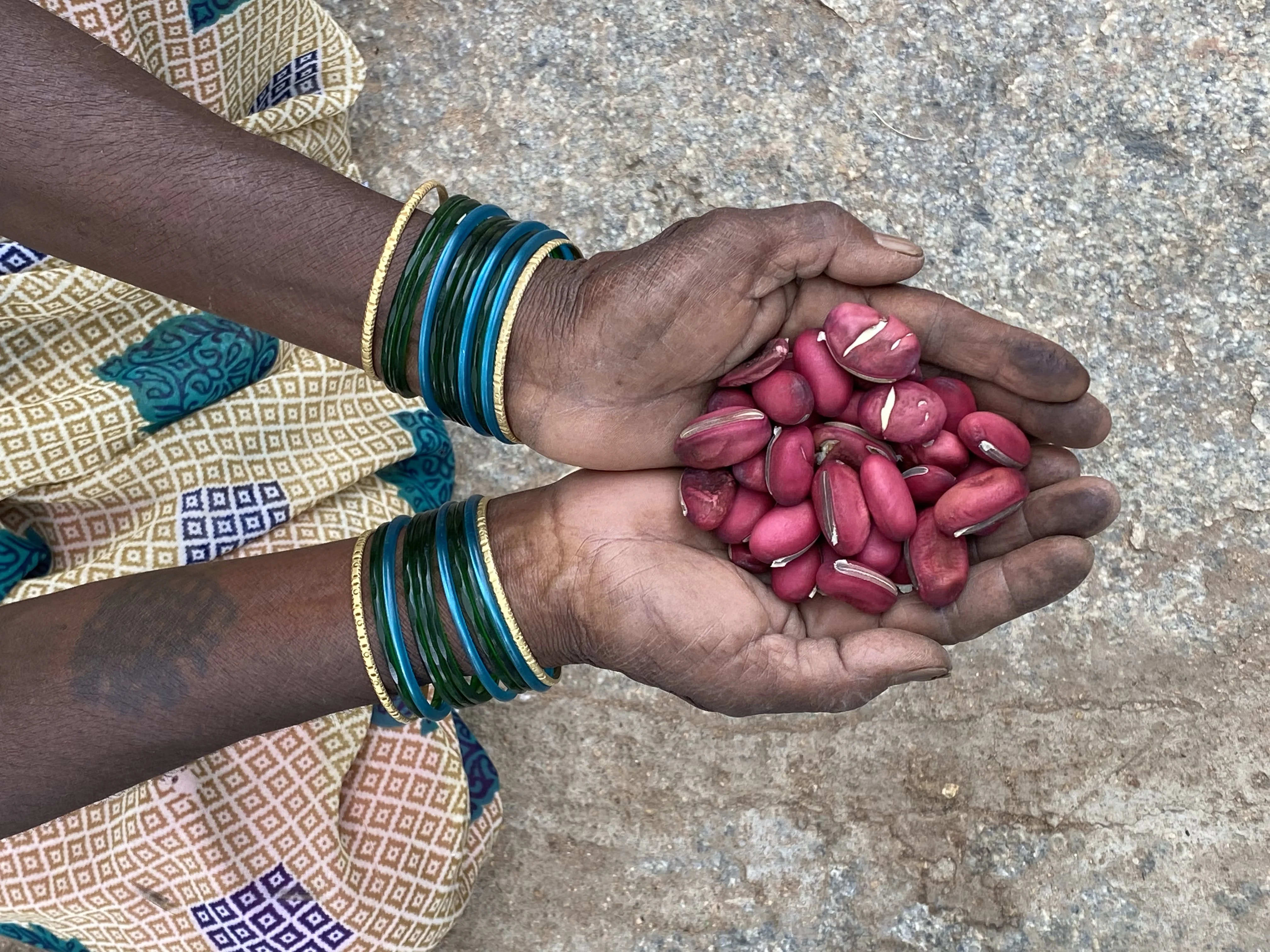
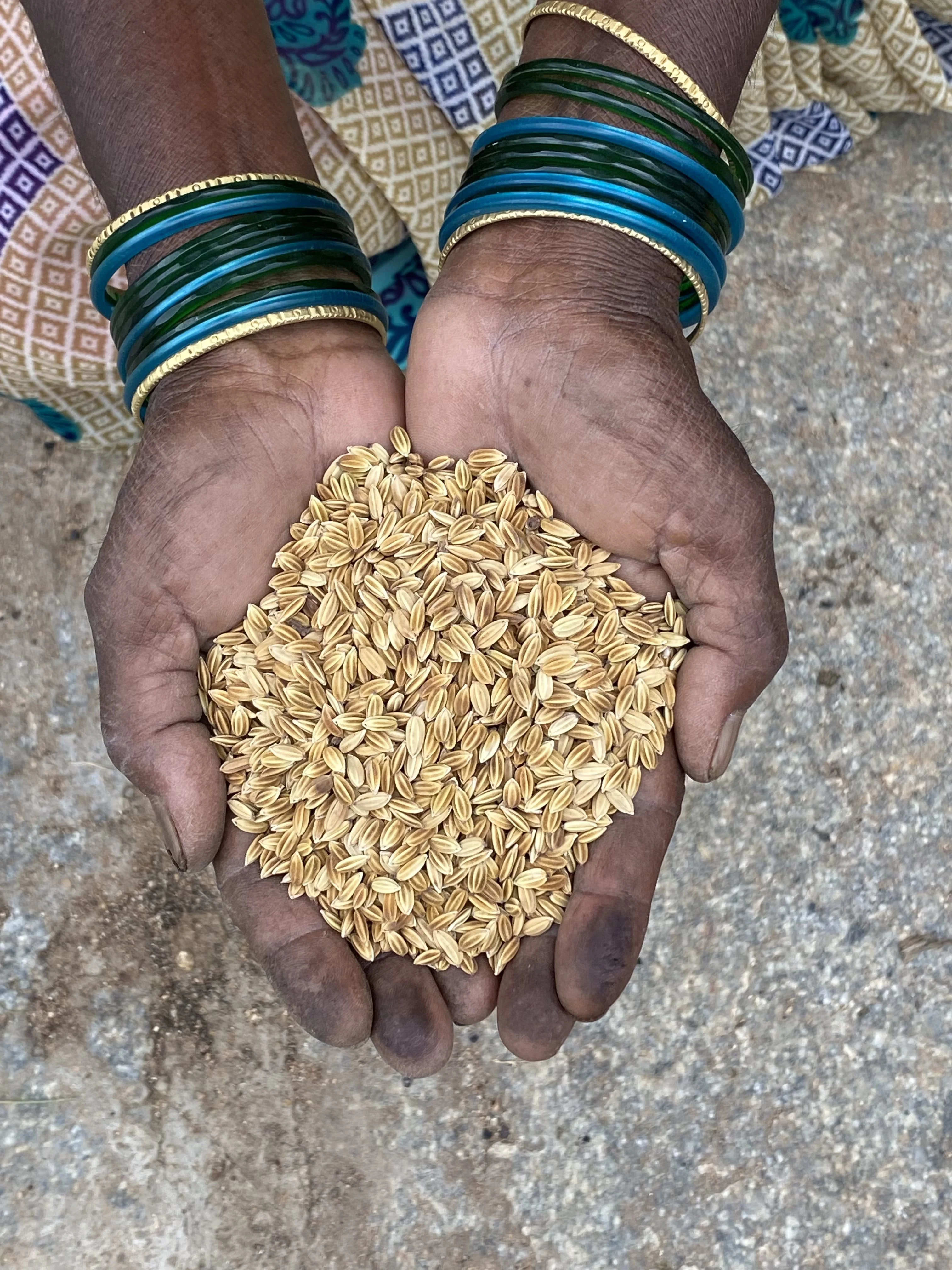
Rajamma carefully stores twenty varieties of indigenous seeds in clay pots, preserving a legacy passed from mother to daughter for generations. Each seed represents food security, cultural memory, and resilience shaped by years of living with uncertain climates.
Even during famine, the pots remain sealed. These seeds are never eaten because they promise future harvests, carrying the hope that every difficult season will eventually give way to another opportunity for life.
02
Everything depends on the monsoon. During Mungaru, the first crops are sown, while later rains bring different varieties. Harvests stretch across eight or nine months, spreading both risk and income instead of relying on a single growing season.
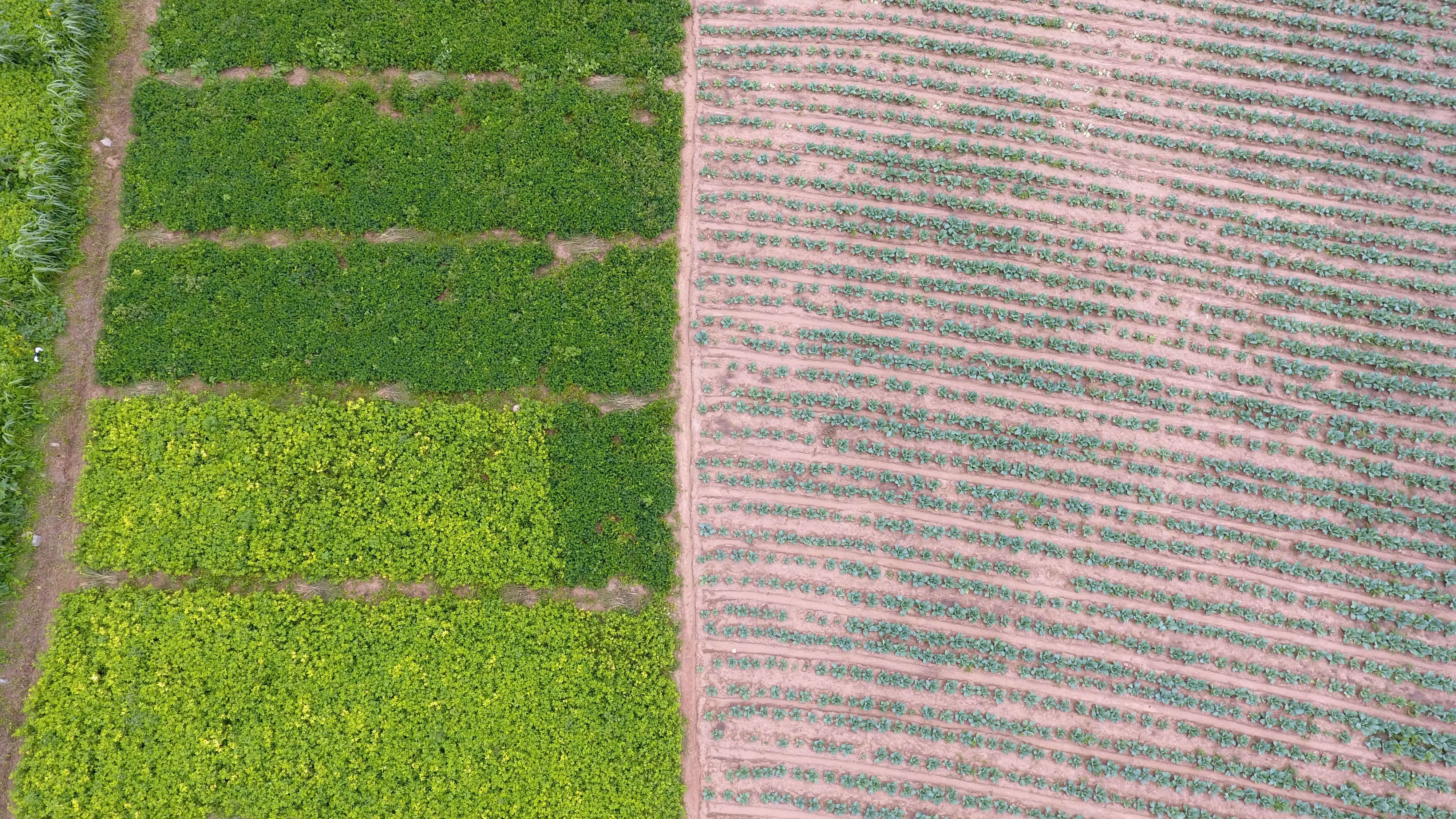
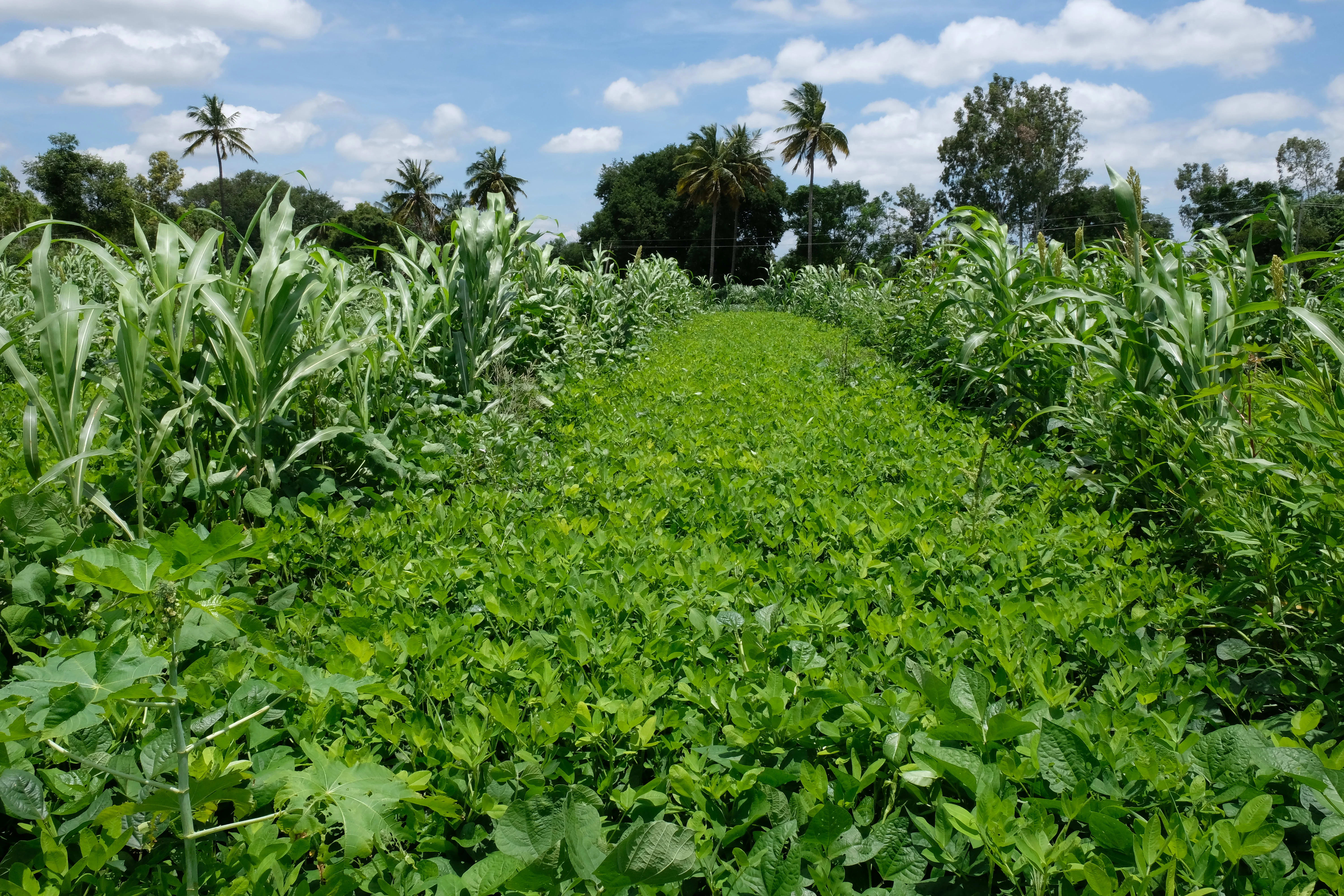
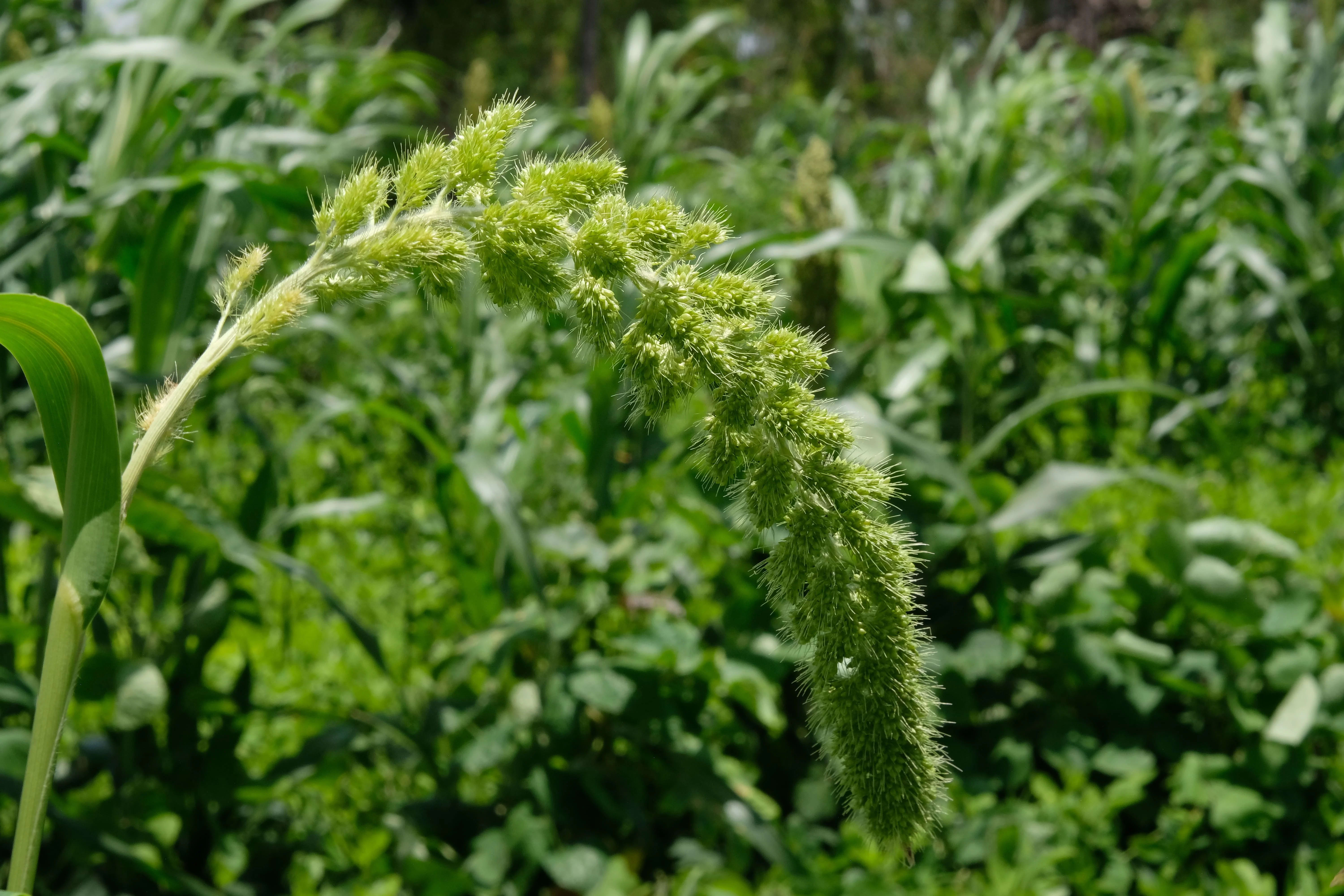
Rather than forcing uniformity, Akkadi Saalu embraces diversity. Multiple crops, varying heights, and carefully planned planting cycles create a resilient farm where each species strengthens the others, making the landscape more productive and better prepared for uncertain weather.
Where Every Crop Supports Another
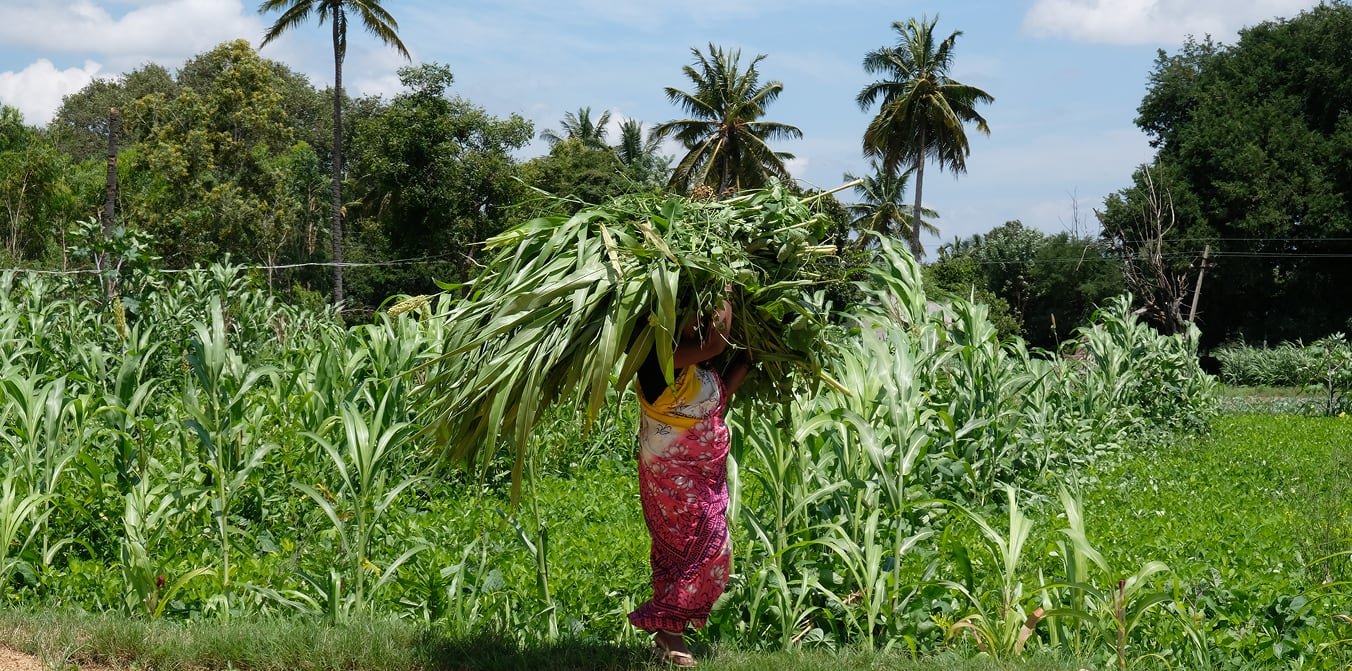
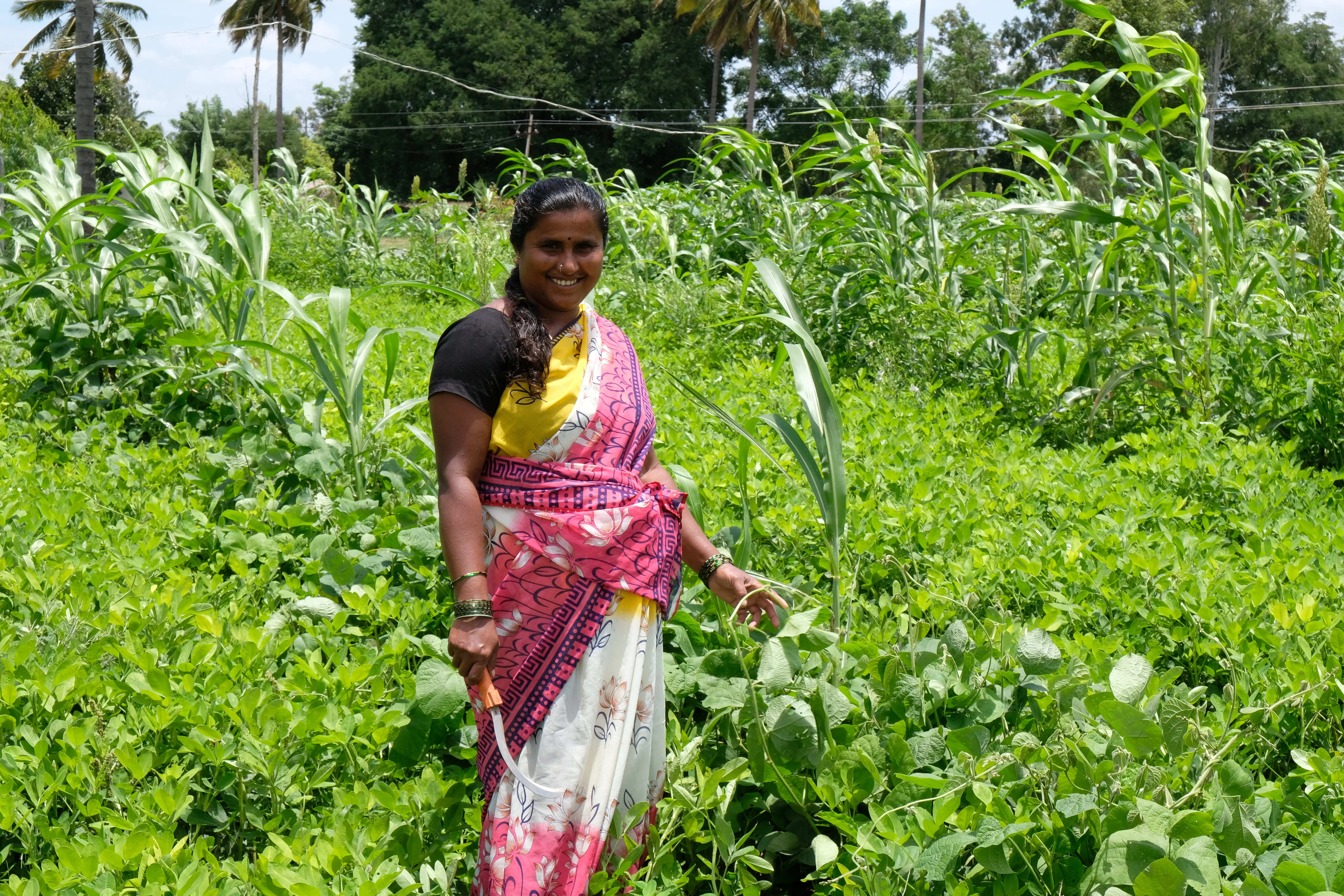
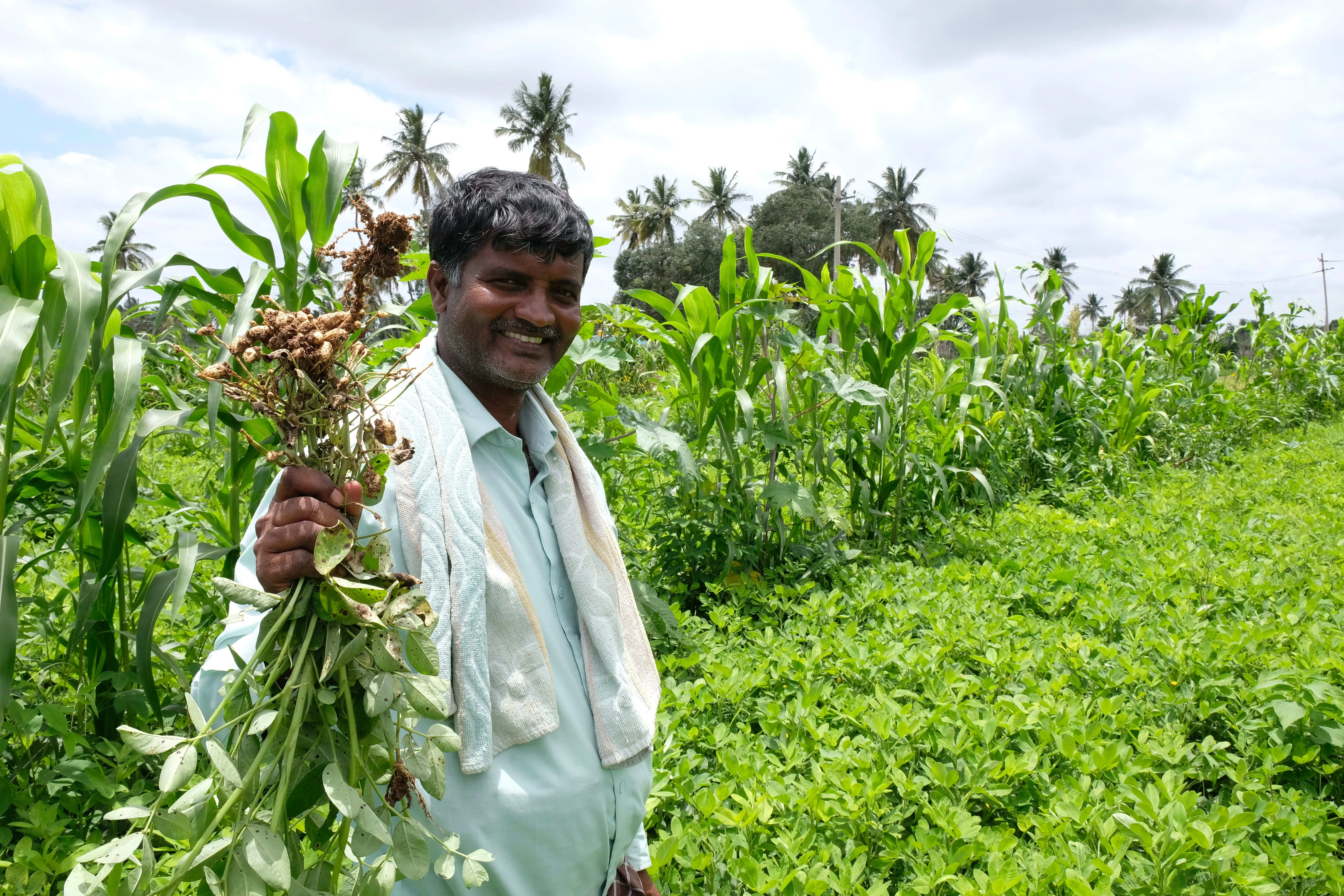
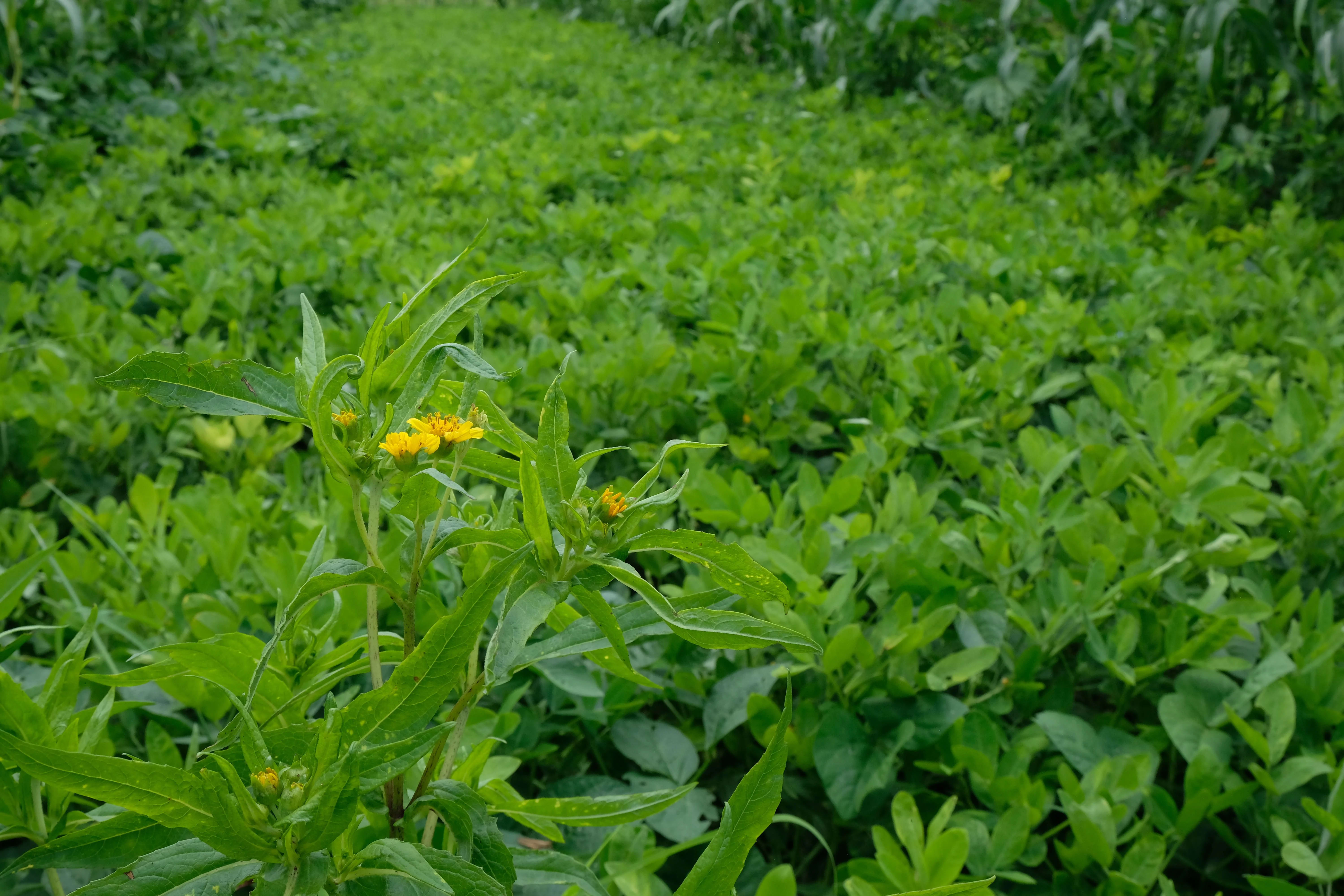
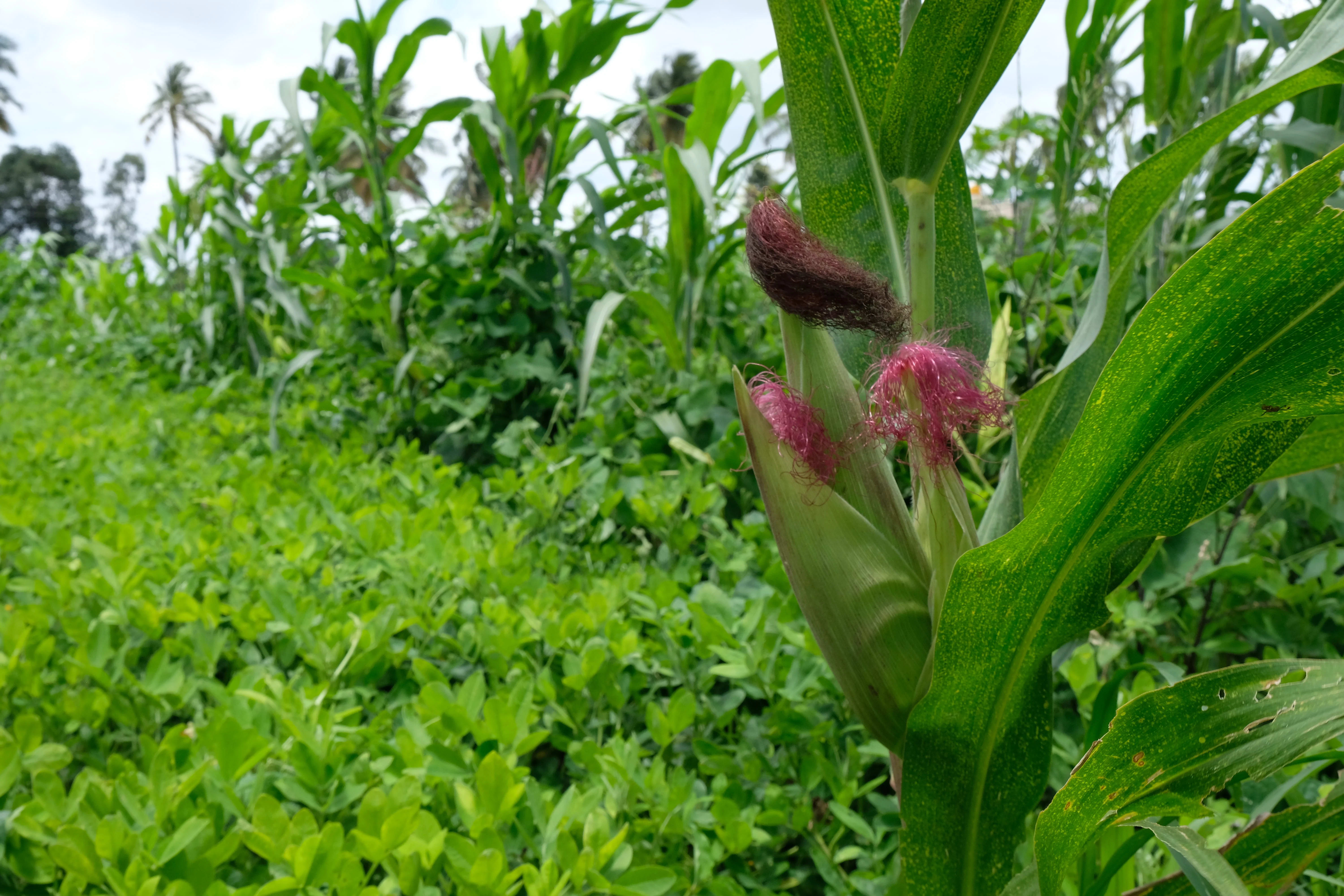
Prabhakar's field appears untamed, yet every crop has a purpose. Maize supports climbing vines, groundnuts enrich the soil, and plants with different roots share moisture instead of competing, following the traditional Akkadi Saalu farming system.
03
Choosing Seeds That Endure
For Rajamma and Prabhakar, native seeds are more than tradition. Adapted to local soil, heat, and unpredictable rainfall, they have delivered dependable harvests for generations without forcing farmers into dependence on commercial seed suppliers.
Prabhakar refuses hybrid varieties, believing they lose productivity after a few seasons and must be purchased repeatedly. Native seeds, by contrast, can be stored for years, replanted season after season, and remain closely connected to the land that shaped them.
04
Knowledge Rooted In Living Soil
Prabhakar believes fertile soil is built, not bought. Compost made from jaggery, crop residue, and animal waste returns nutrients to the earth, while crop rotation keeps the land productive without relying on chemical fertilisers.
Healthy soil stores moisture, supports countless organisms, and naturally replenishes nutrients. Farmers prepare their fields before the rains arrive, trusting generations of observation to guide when to sow, harvest, and restore the land.
05
Keeping The Harvest Close
Prabhakar increases the value of his harvest by pressing groundnut oil at home instead of selling raw produce. Processing it himself reduces dependence on middlemen while ensuring more of the earnings remain with the farming family.
Yet the future of this knowledge is uncertain. His children have chosen careers in cities, leaving behind the physically demanding work of agriculture. Across rural Karnataka, fewer young people see farming as a livelihood worth pursuing.
06
Saving Tomorrow Before It Arrives
The monsoon no longer follows familiar patterns. Rains arrive too early, too late, or sometimes barely at all, forcing farmers like Prabhakar to adjust planting schedules and rely on seeds that can survive unpredictable seasons.
Rajamma chooses what to sow by reading the condition of her soil, her family's needs, and the lessons preserved in every seed. Knowledge passed through generations continues to guide decisions that no handbook or advisory can replace.
Her daughters know the clay pots and the stories they hold, though whether they will one day farm remains uncertain. Still, Rajamma keeps saving seeds, believing they preserve not only future harvests but also the wisdom needed to face an uncertain climate.
07
One Acre, A Living Ecosystem
While modern agriculture favours monocultures and large-scale production, Prabhakar continues cultivating nearly twenty crops together. His field supports insects, birds, microbes, and plants that depend on one another to keep the ecosystem thriving.
08
Farming As An Act Of Remembering
Every season begins with a decision shaped by memory rather than manuals. The seeds, the soil, and the changing skies guide farmers through choices refined over generations of observing the land.
For Rajamma and Prabhakar, farming is more than producing food. It is a commitment to protecting biodiversity, restoring ecosystems, and preserving knowledge that cannot be replaced once it disappears from the people who carry it.
09
The Future Hidden Inside Every Seed
Every indigenous seed carries centuries of adaptation. Having survived droughts, floods, pests, and changing seasons, these varieties preserve genetic resilience that modern agriculture increasingly struggles to recreate.
As fewer families continue traditional farming, the responsibility of safeguarding this living heritage grows heavier. The knowledge of selecting, storing, and sharing seeds is slowly disappearing alongside the communities that nurtured it.