A Peaceful Alternative to War
Location:Tulunadu, Karnataka, India
12.8685° N, 74.8426° ECamera -
01
Where Fire Becomes Ritual Instead Of War Every Single Year Endures
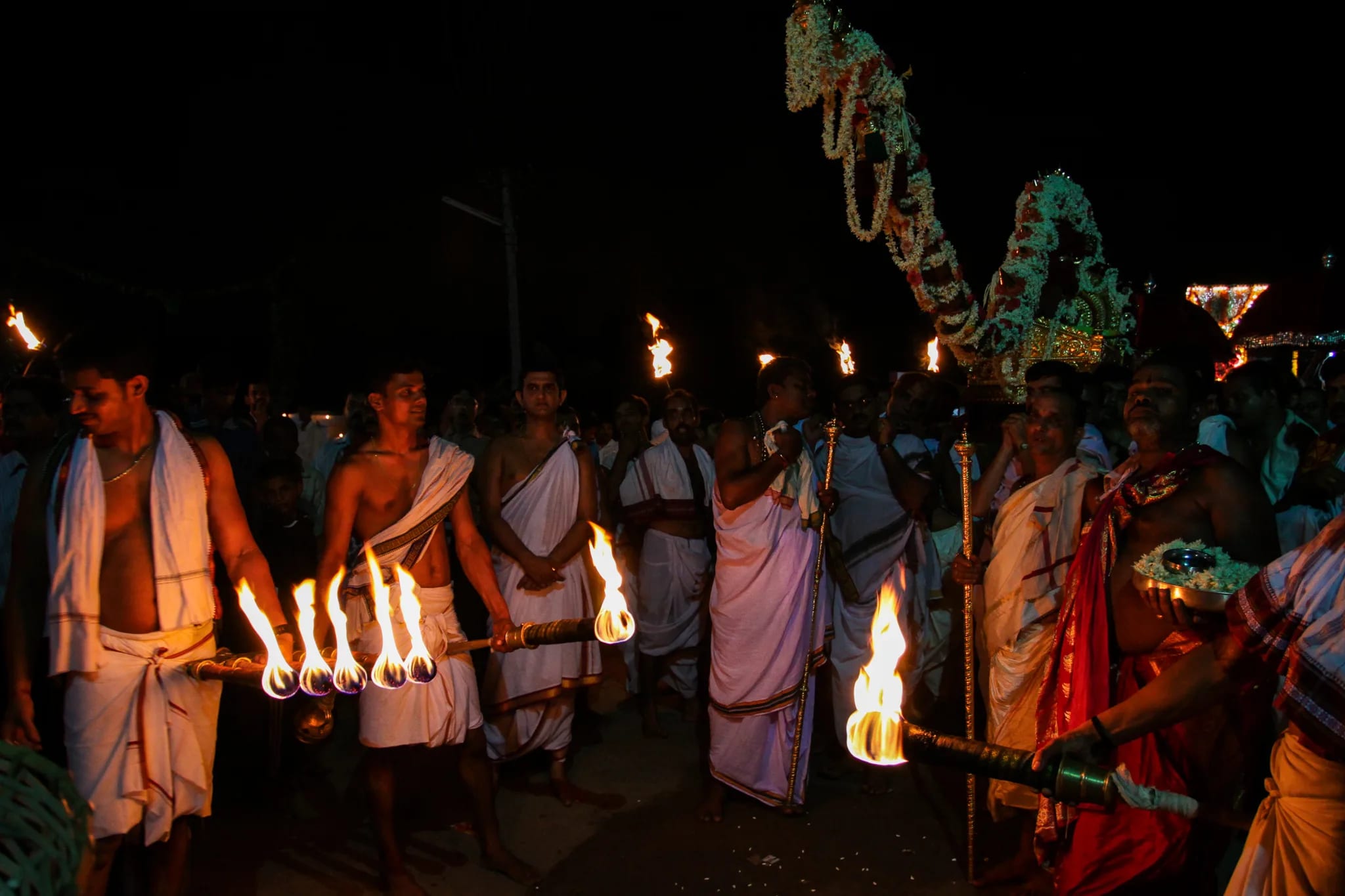
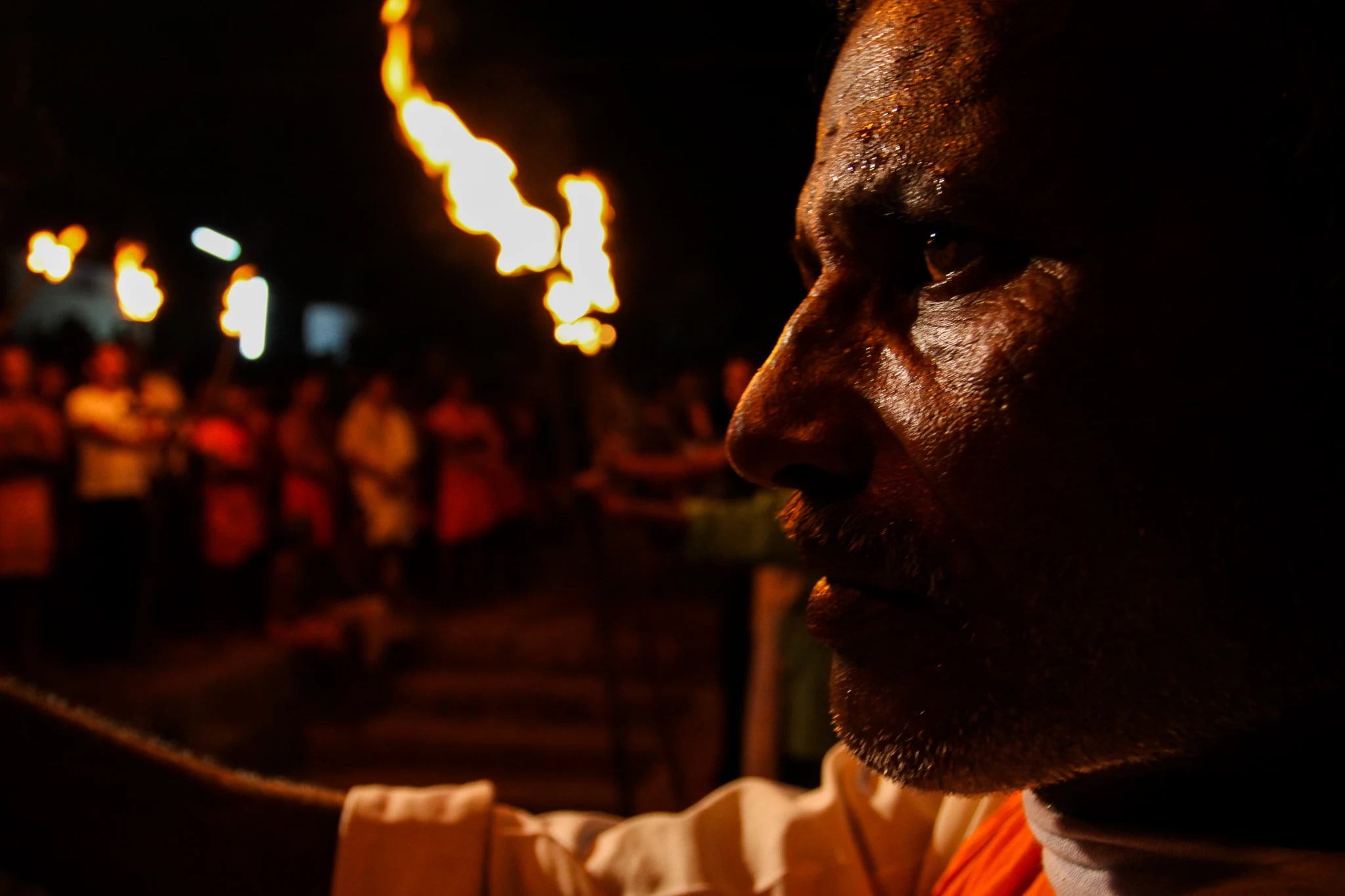
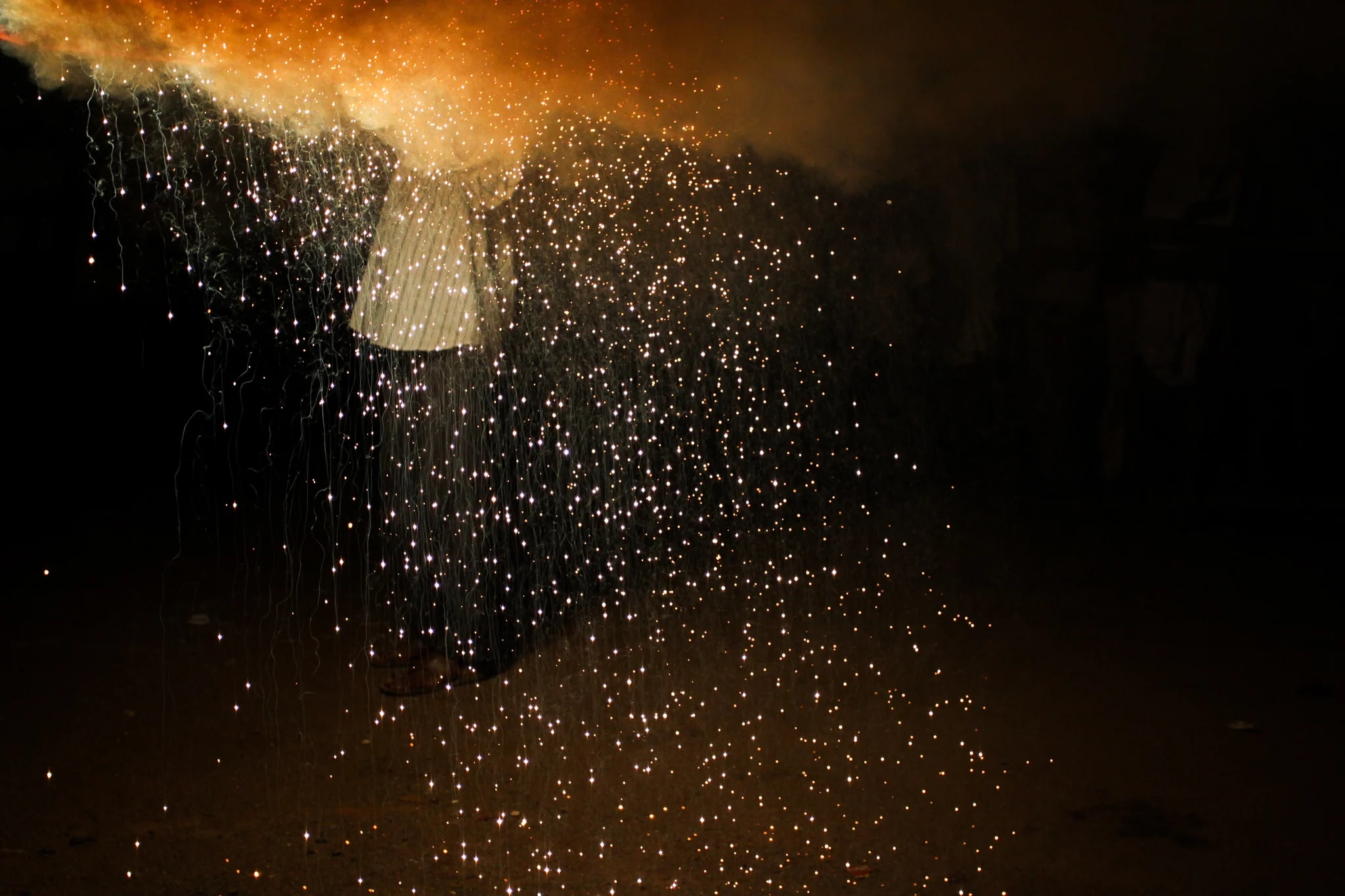
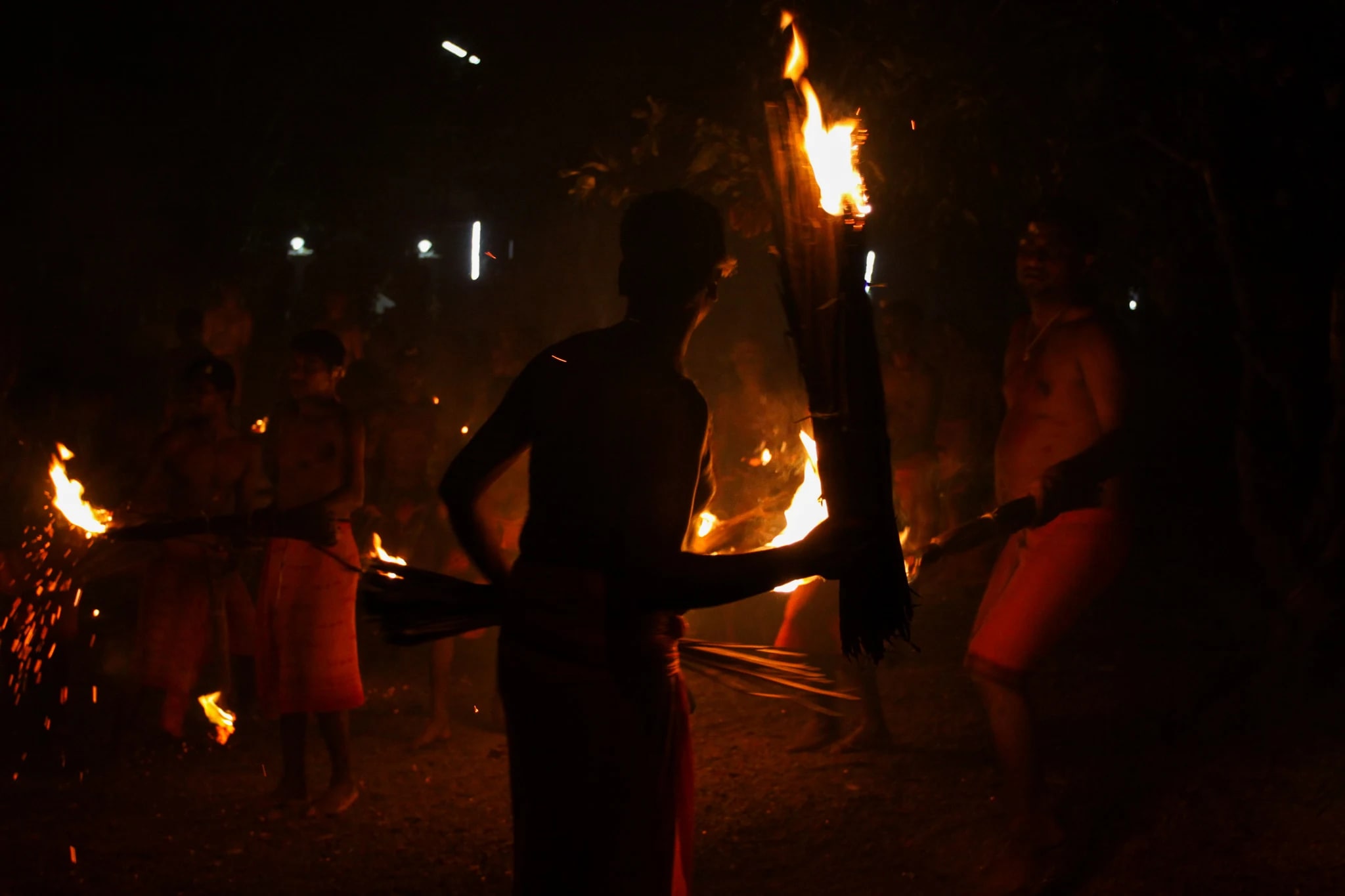
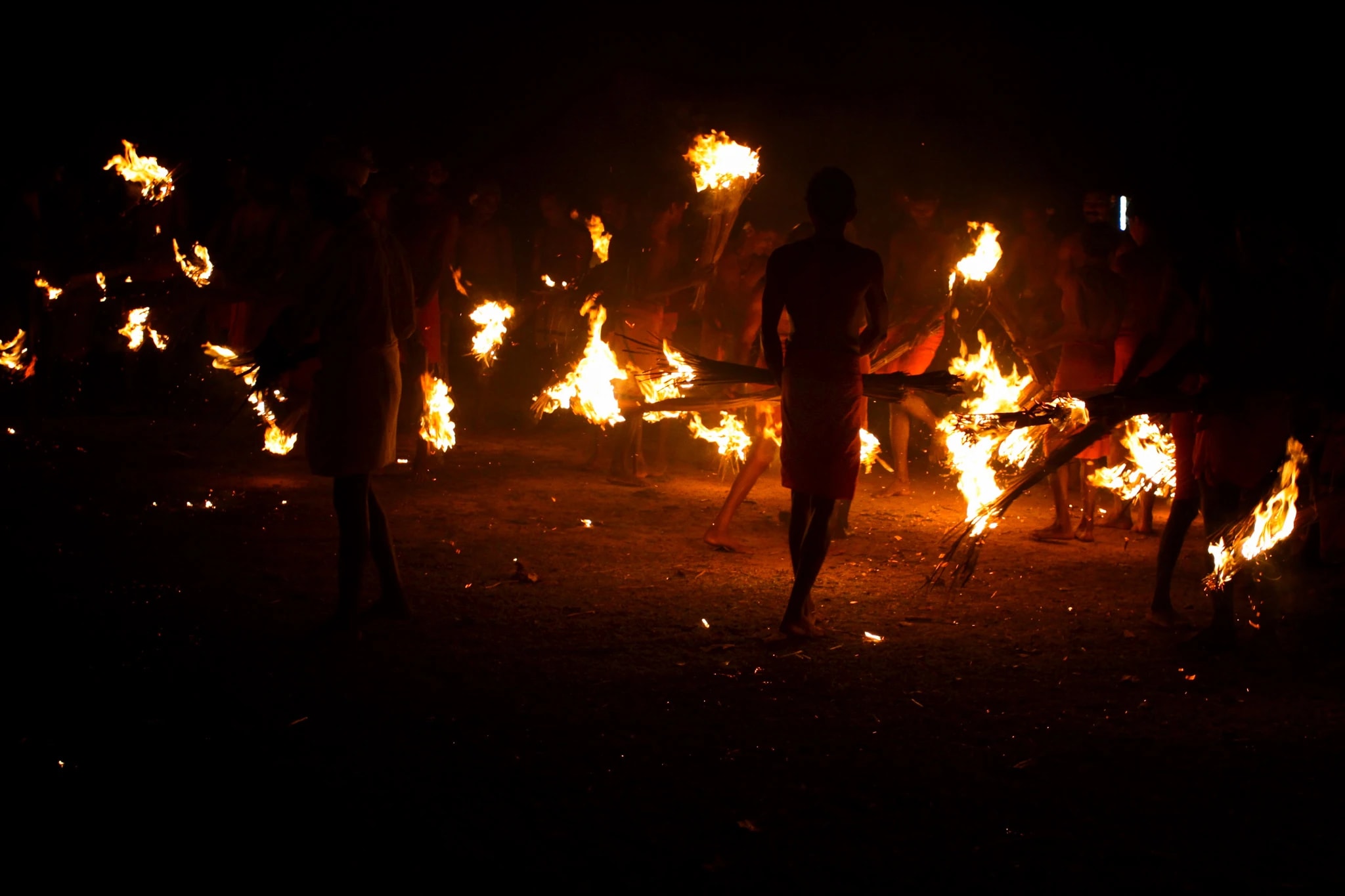
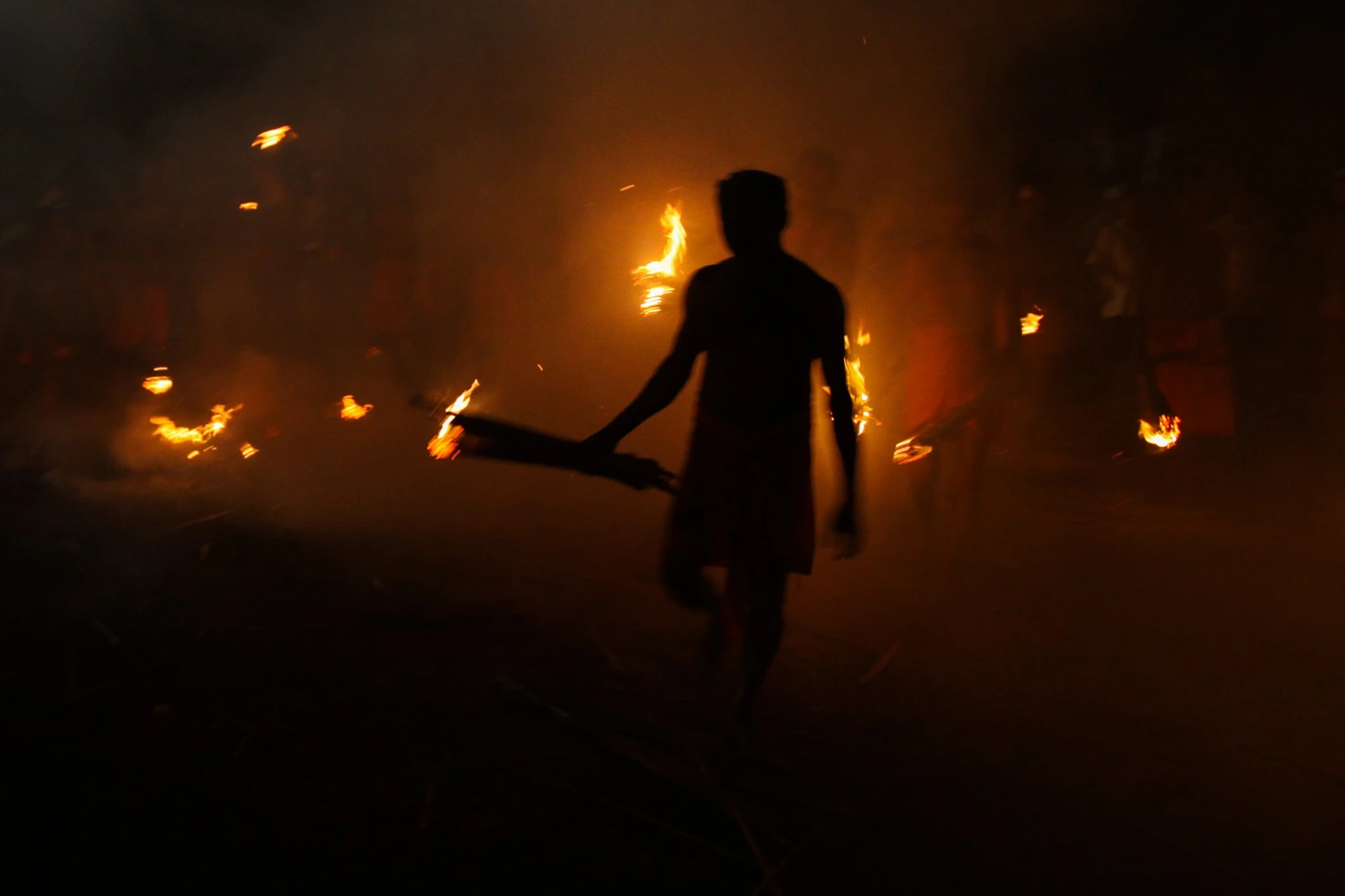
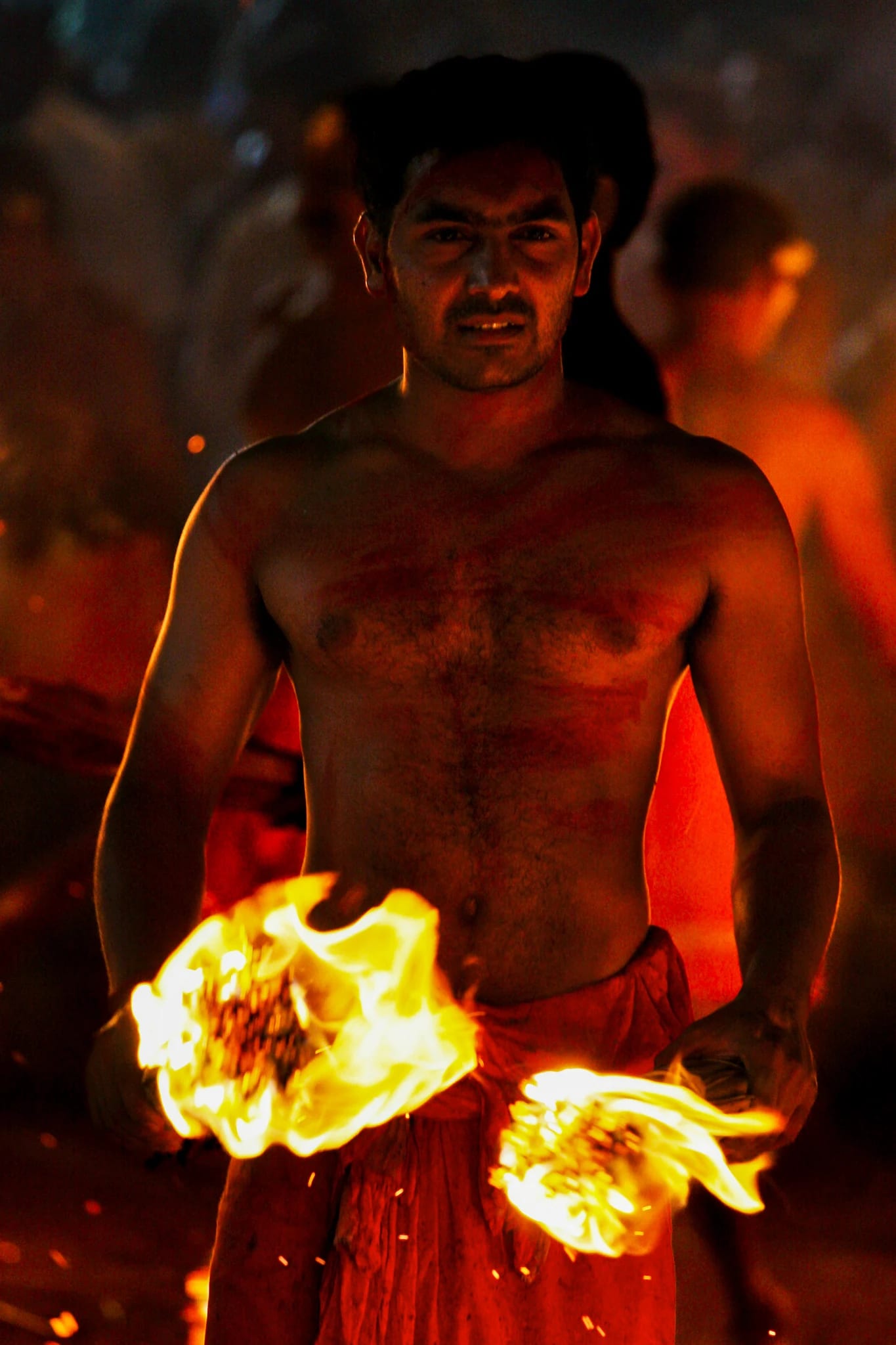
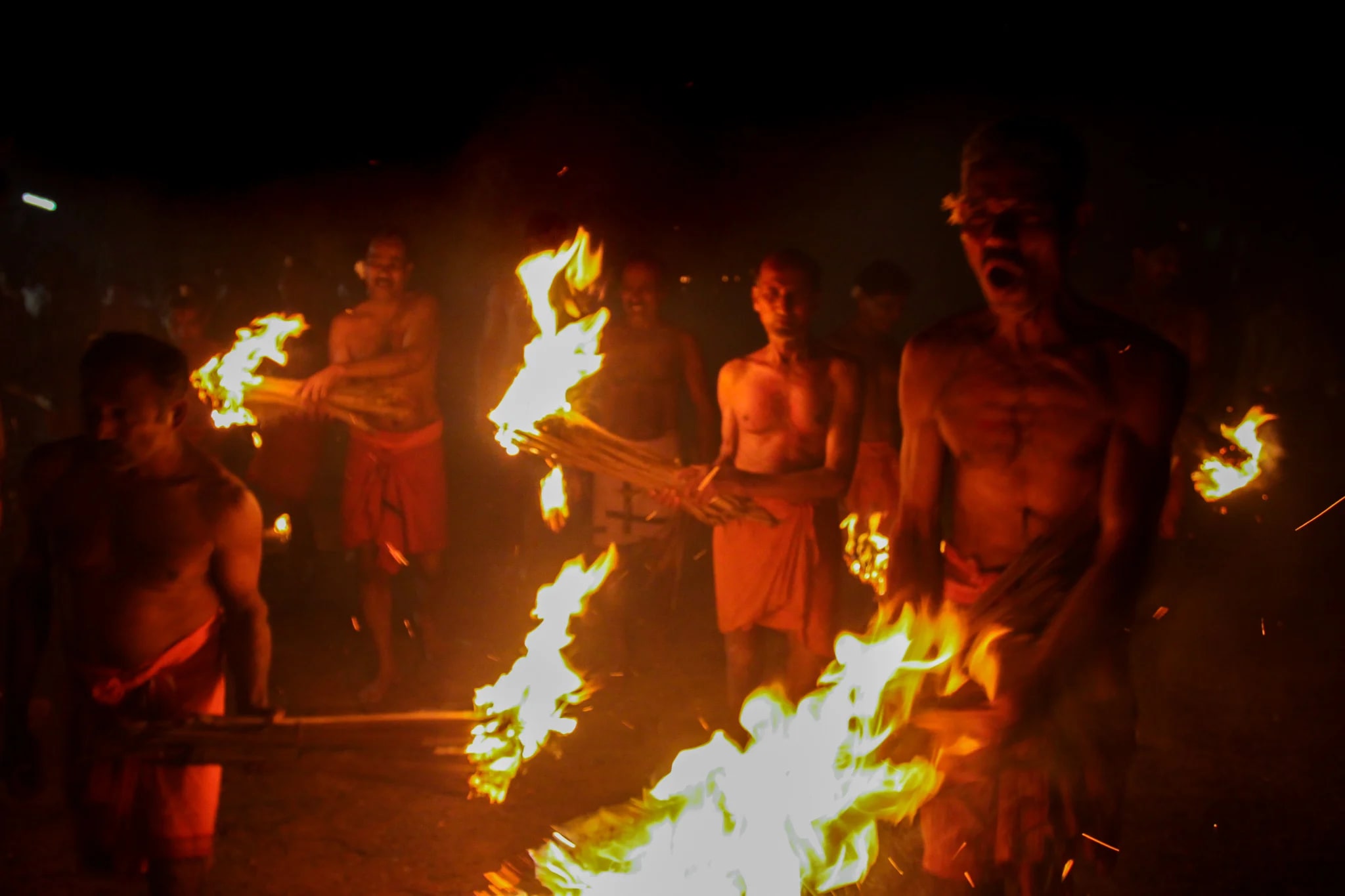
Hundreds of flaming torches arc through the night as players shout “Koo” and hurl fire toward opposing formations during Tulunadu's annual boota kola festival, where ritual governs every throw.
Preparation begins on the festival's opening day, with strict rules of abstinence believed to protect participants from accidents and punish anyone who breaks them before entering the fiery arena together in faith alone.
02
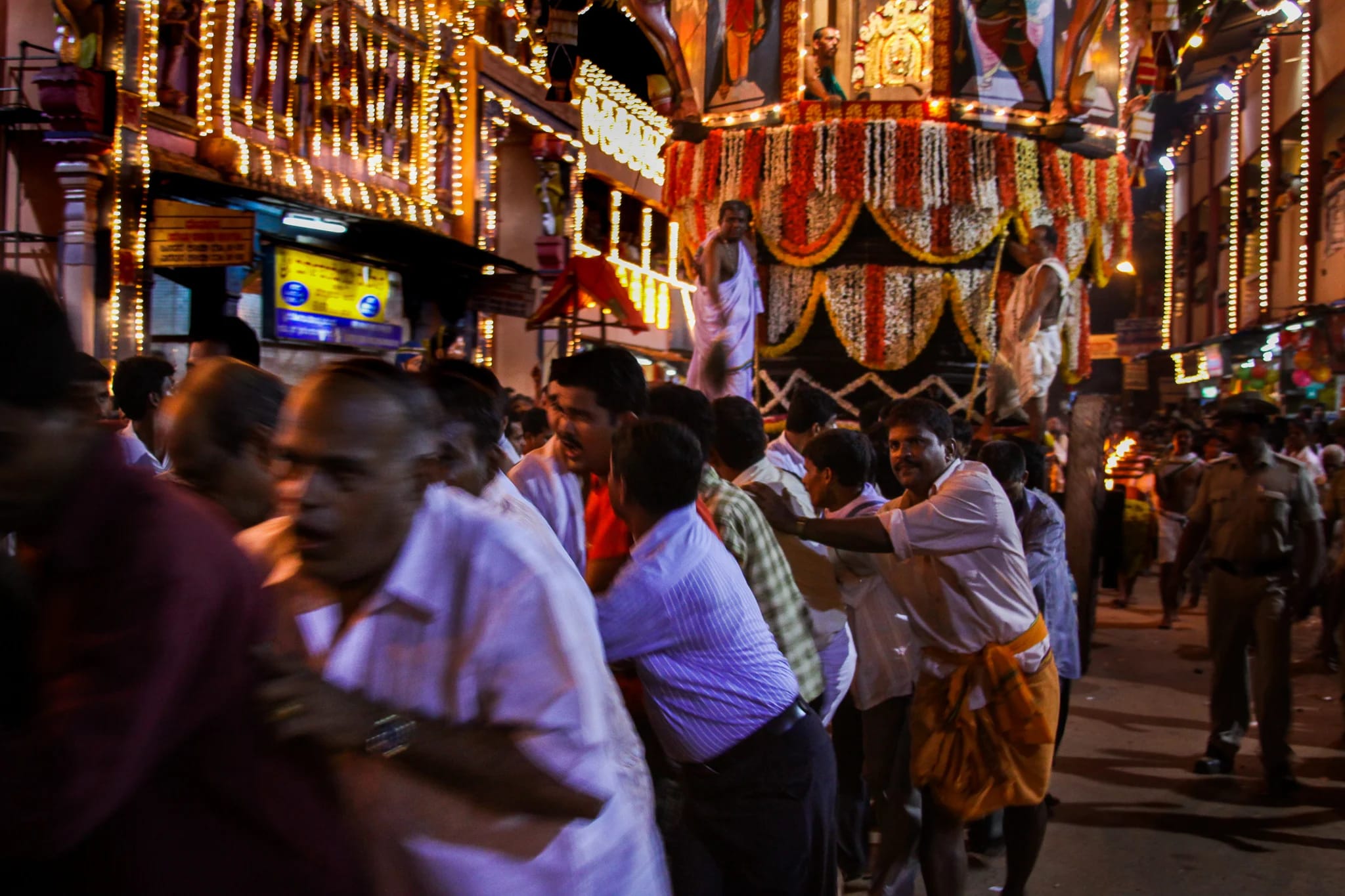
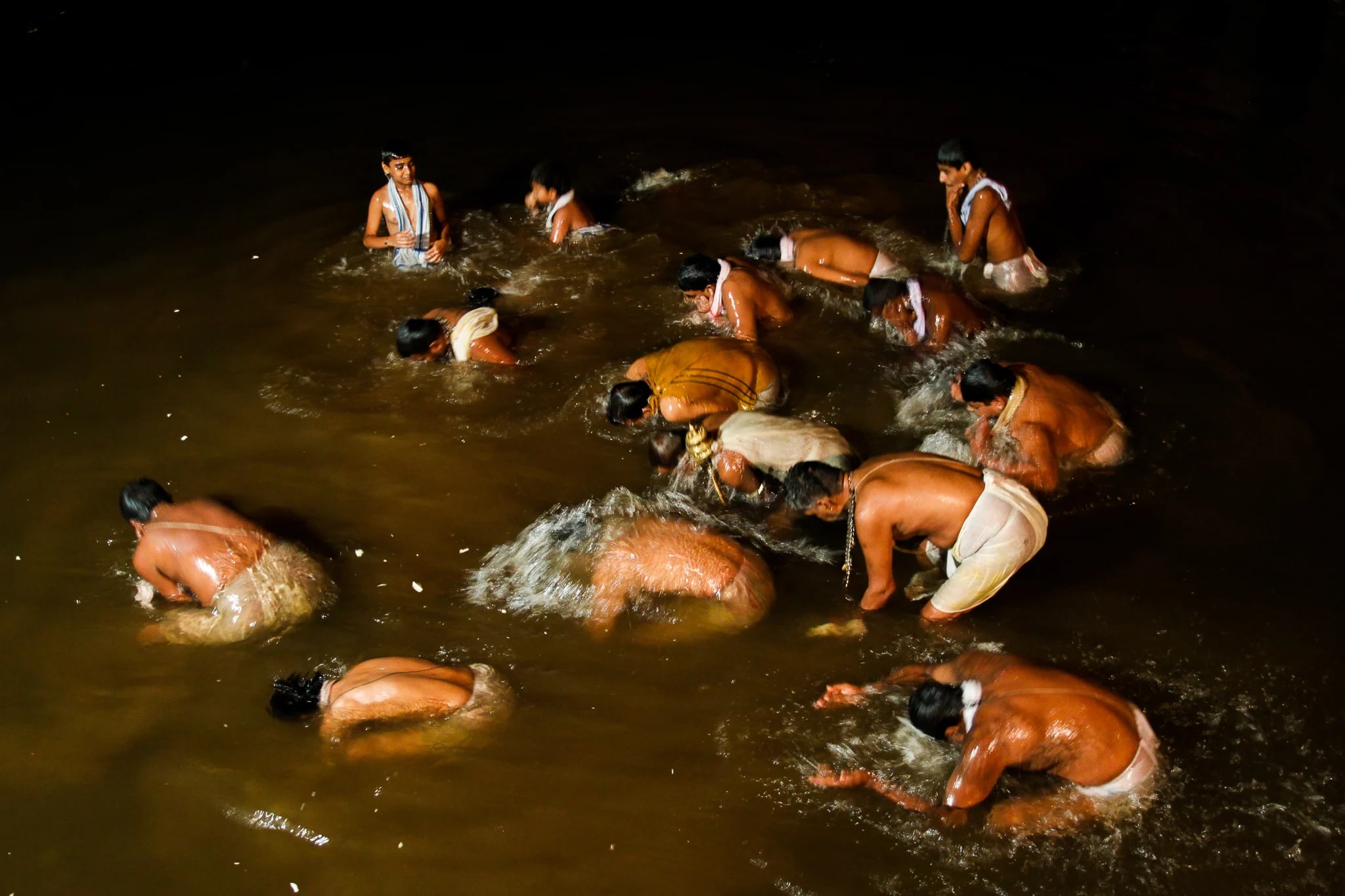
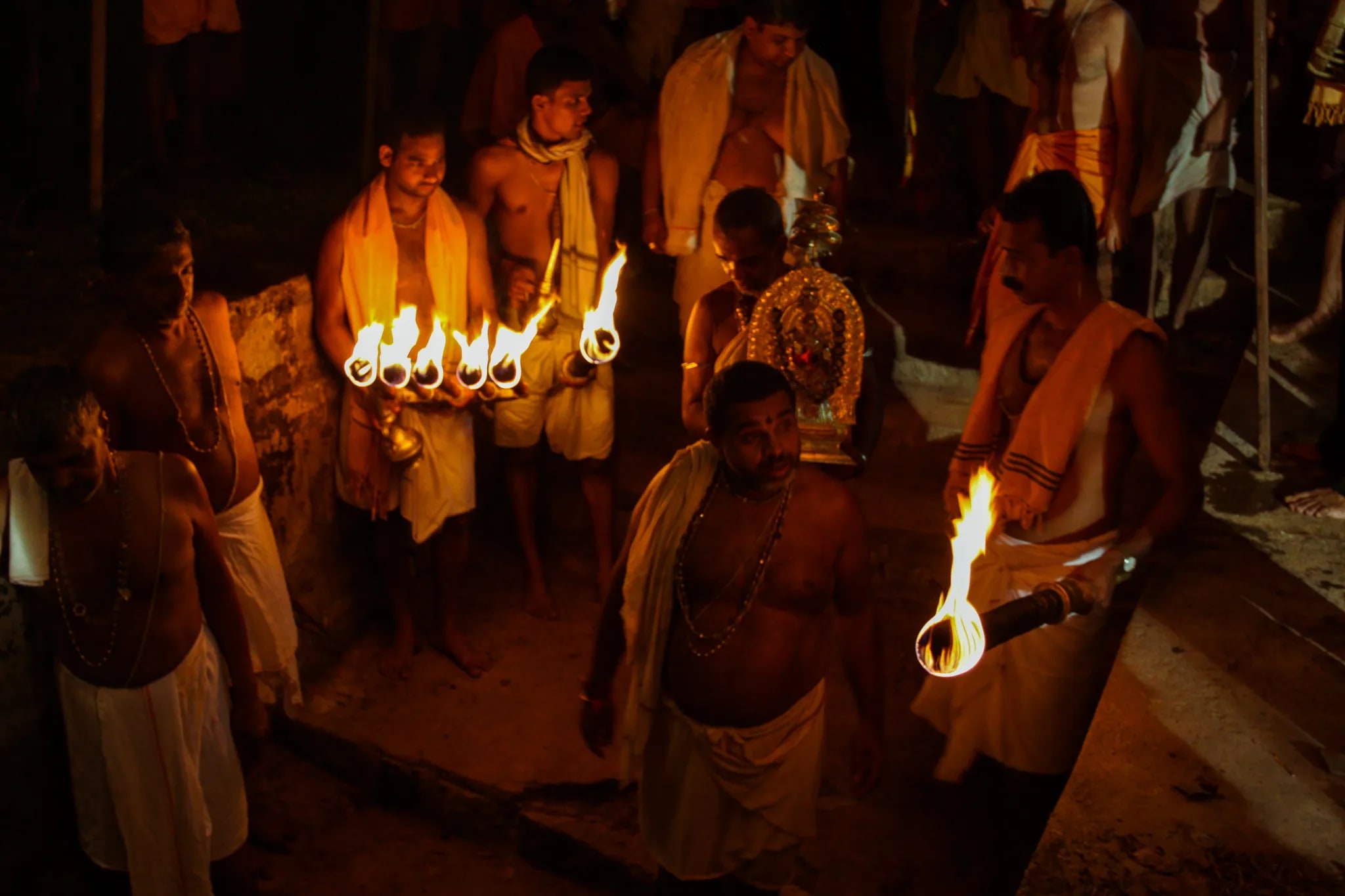
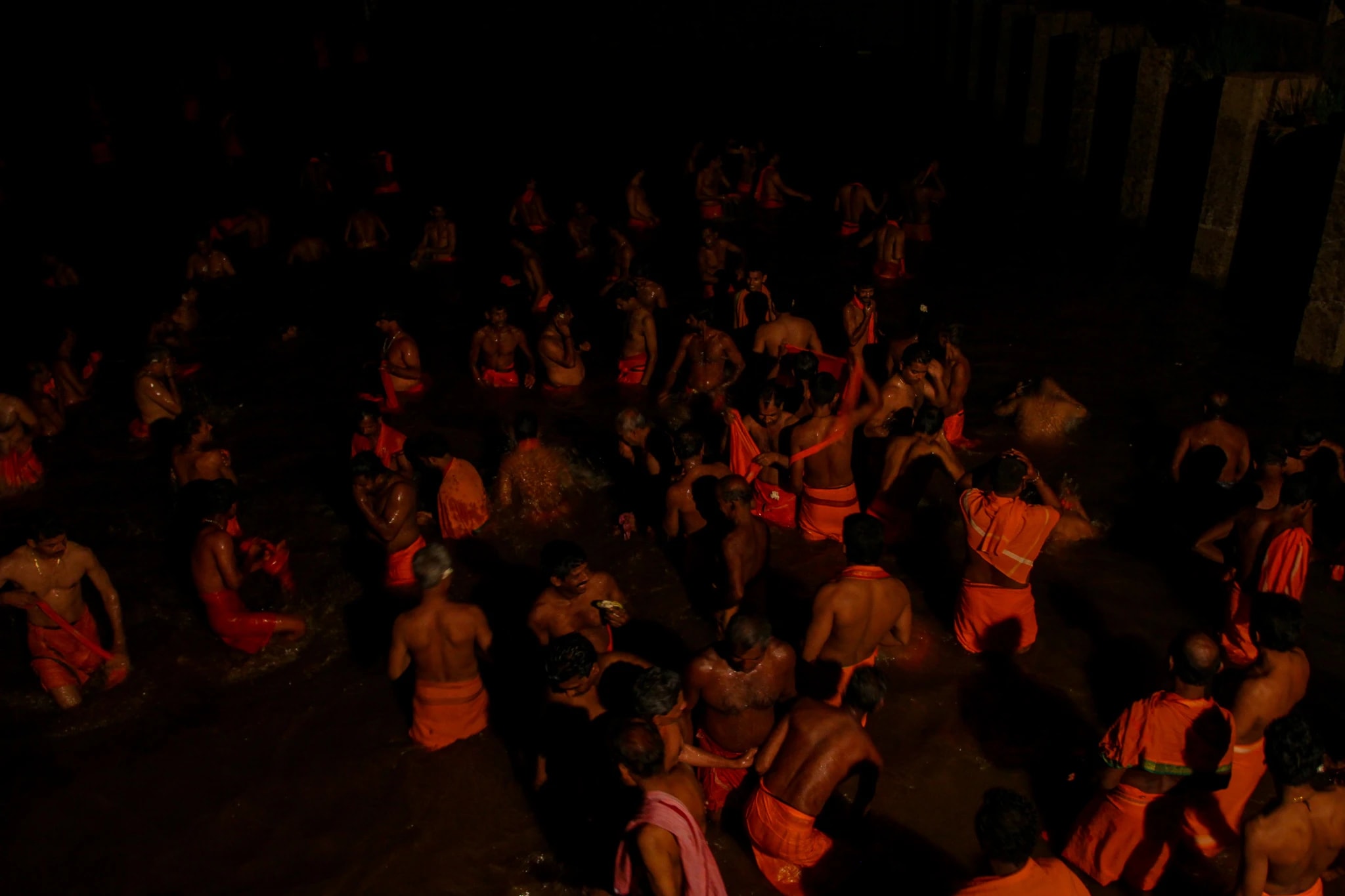
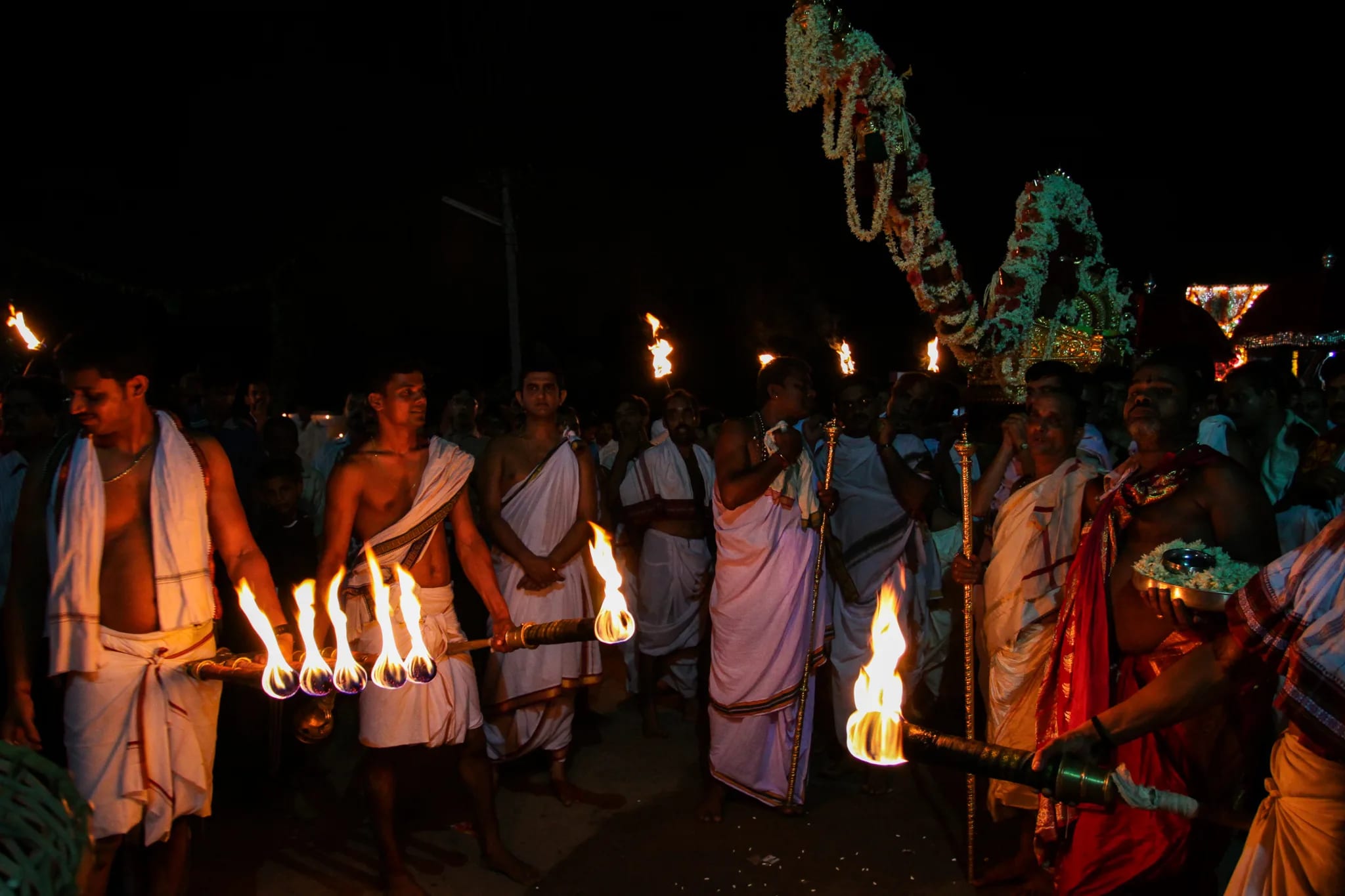
On the evening before the game, participants perform okuli snana, bathing in water mixed with red turmeric powder, symbolising sacrificial blood. They accompany the Deiva's procession through the village before another ritual bath, dressing in fresh white clothes and jasmine wreaths for the arena.
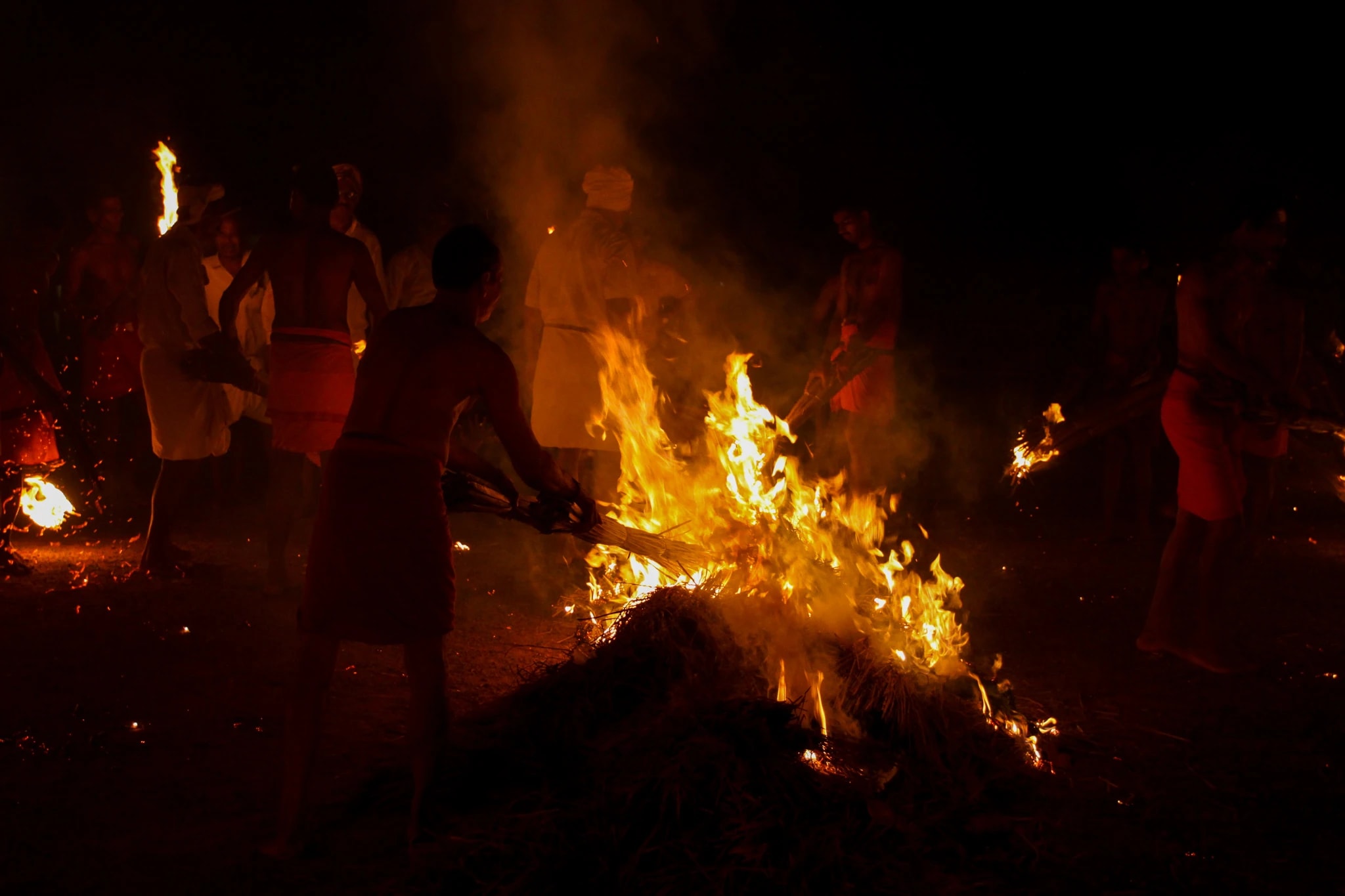
The Deiva's image is positioned facing the paddy fields while two teams of sixty to one hundred players stand opposite each other across the marked ground. Torches made entirely from coconut tree parts are stacked along one side, with a central fire waiting to ignite the ritual that follows under the captains' command.
Purified Before Entering Fire
Not everyone may participate. Scheduled Castes, Brahmanas, Acharis, and Konkanis are excluded. Only eligible Sudra communities traditionally without the sacred thread take part, and many households must send at least one participant or pay a monetary fine.
03
When Every Flaming Torch Follows Ritual Before Becoming Spectacle Together
The elders and headmen of the Guttus command the game, deciding precisely when it begins or ends. At their signal, players light torches from the central fire and throw them skyward shouting “Koo.”
Torches must never target individuals, only opposing formations. As excitement grows, captains discipline unruly players or briefly halt the contest before the flaming procession moves onward to the village temple for three final rounds.
04
No Winners Only Purpose
There are no official winners or losers. Though spectators judge performances, the game exists solely in service of the Deiva, where belief, discipline, and ritual outweigh competition or personal glory during every encounter.
The real danger lies in flying flames, yet careful preparation strengthens participants mentally. Ritual baths, self-control, and unwavering faith create confidence, helping players face risk while preventing aggression from spiralling beyond the sacred boundaries.
05
Games That Remember Wars Without Fighting Them Again
Historical records and folk traditions recount centuries of skirmishes between kings, vassals, and Guttus across Tulunadu. Over time, ritual games like Tootedara emerged as symbolic battlefields where aggression could be expressed without real warfare. Even rulers embraced these mock conflicts. Records describe the kings of Barkuru organising ceremonial wars to commemorate earlier battles fought against the kingdom of Mangaluru, preserving memory through ritual instead of bloodshed.
Hundreds of burning torches soaring across the night create an unforgettable spectacle, symbolising the eternal struggle between the Deiva and evil while transforming memories of conflict into a shared ritual of unity.
06
The Deiva Promises Protection Beneath A Rain Of Fire And Faith Always
One Deiva's sacred song declares immense power to remove human suffering, cure life's troubles, cast a blazing fireball into the netherworld, and feed Garuda with the snake beneath its feet, assuring devotees they need not fear the flames.
The deity promises shelter beneath an umbrella of divine weapons, protecting worshippers from the fiery assault that threatens the black stone fort of humankind.
When the ritual ends, the procession returns to the temple. Torches are extinguished, jasmine wreaths removed, white garments changed, and the Deiva's image restored, marking the close of another festival shaped by fire, faith, and tradition.
07
Ritual Slowly Disappears Today
Over time, Tootedara has faded from many villages. Today, its complete form survives only during a handful of festivals, while elsewhere the ritual has been reduced to a symbolic procession without blazing torches, flying fire, or the dangerous contest that once defined the tradition and its purpose.
Yet its deeper meaning continues wherever the ritual survives unchanged.
08
A Tradition That Turned Violence Into Sacred Discipline Through Fire Every Year
Where Tootedara survives, ritual still contains violence within sacred boundaries. Fire is thrown, caught, and dodged, allowing aggression to be expressed without becoming real conflict or revenge.
The annual ritual offers no final resolution, only repetition that strengthens faith, discipline, and the community's commitment to peaceful coexistence through tradition.
As long as the Deiva watches, the torches burn, and the cries of “Koo” continue across generations.