Protesting in the Illusionary Realm
Location:South Kanara, India
12.8438° N, 74.9342° ECamera -
01
Where The Oppressed Become Divine, Yet Power Returns With The Coming Of Dawn Every Time
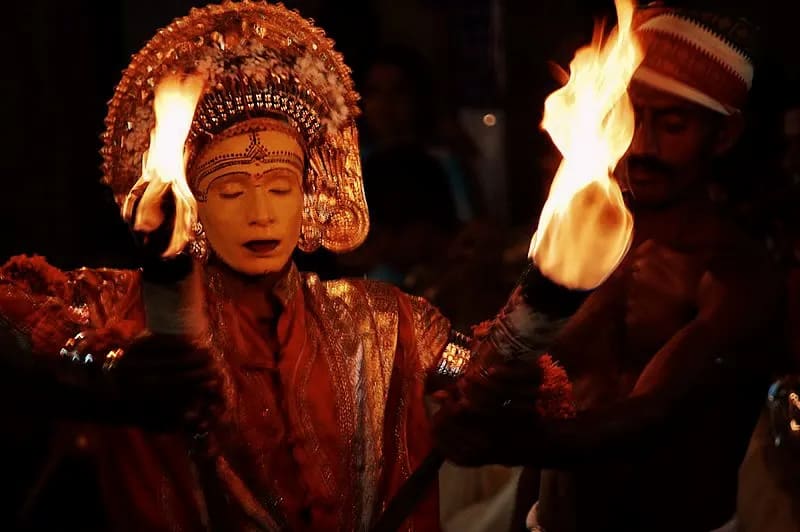
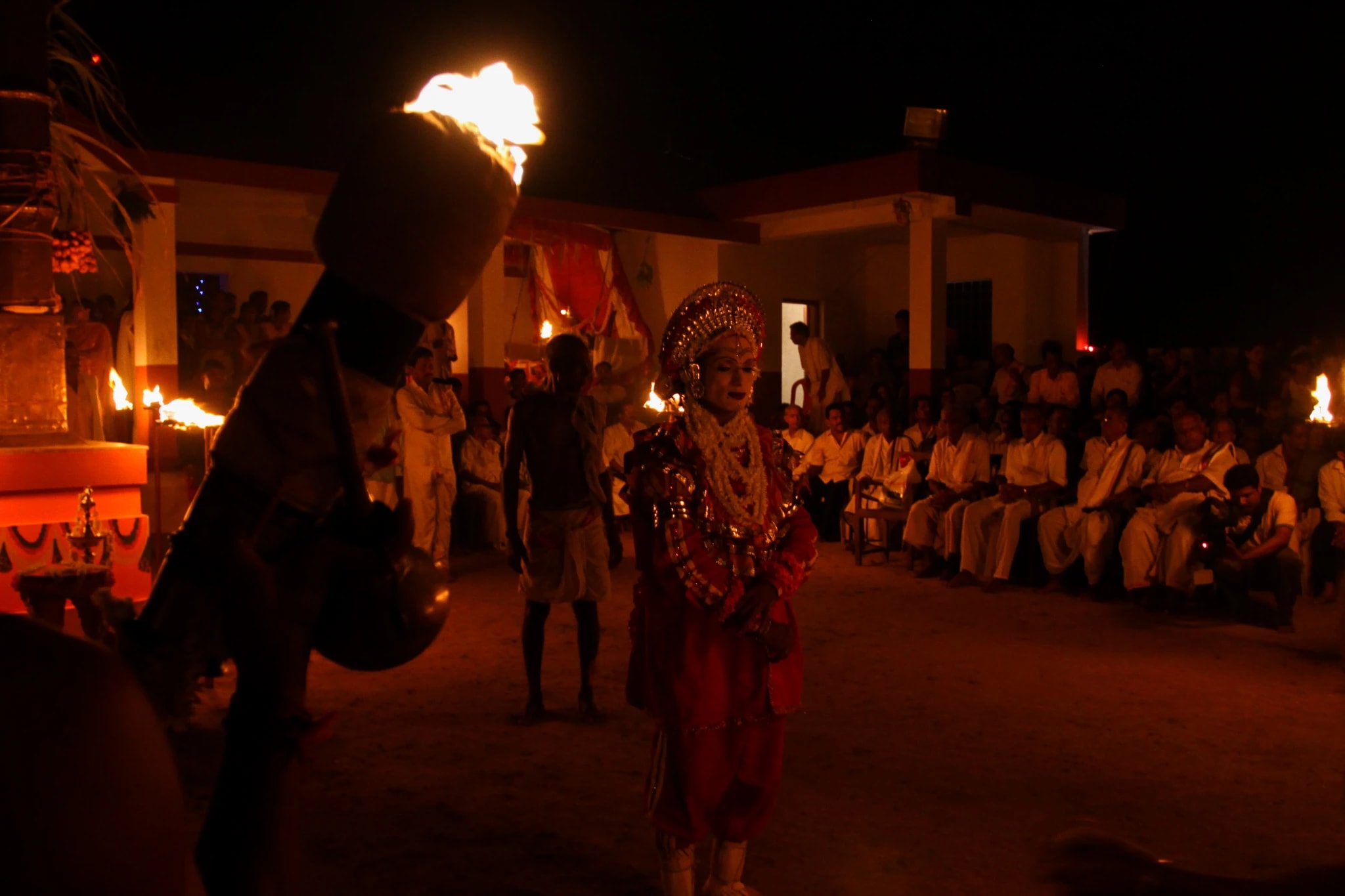
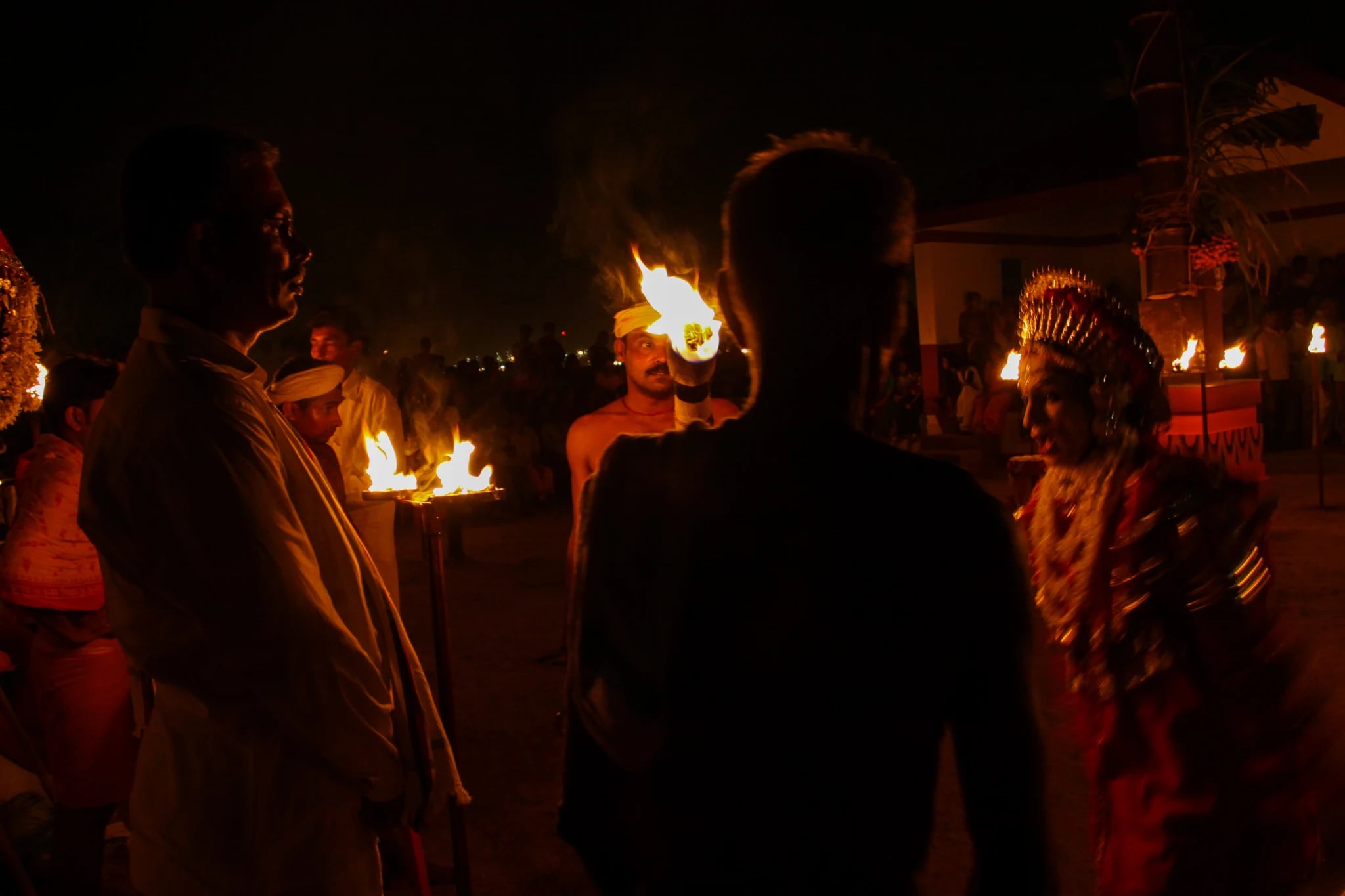
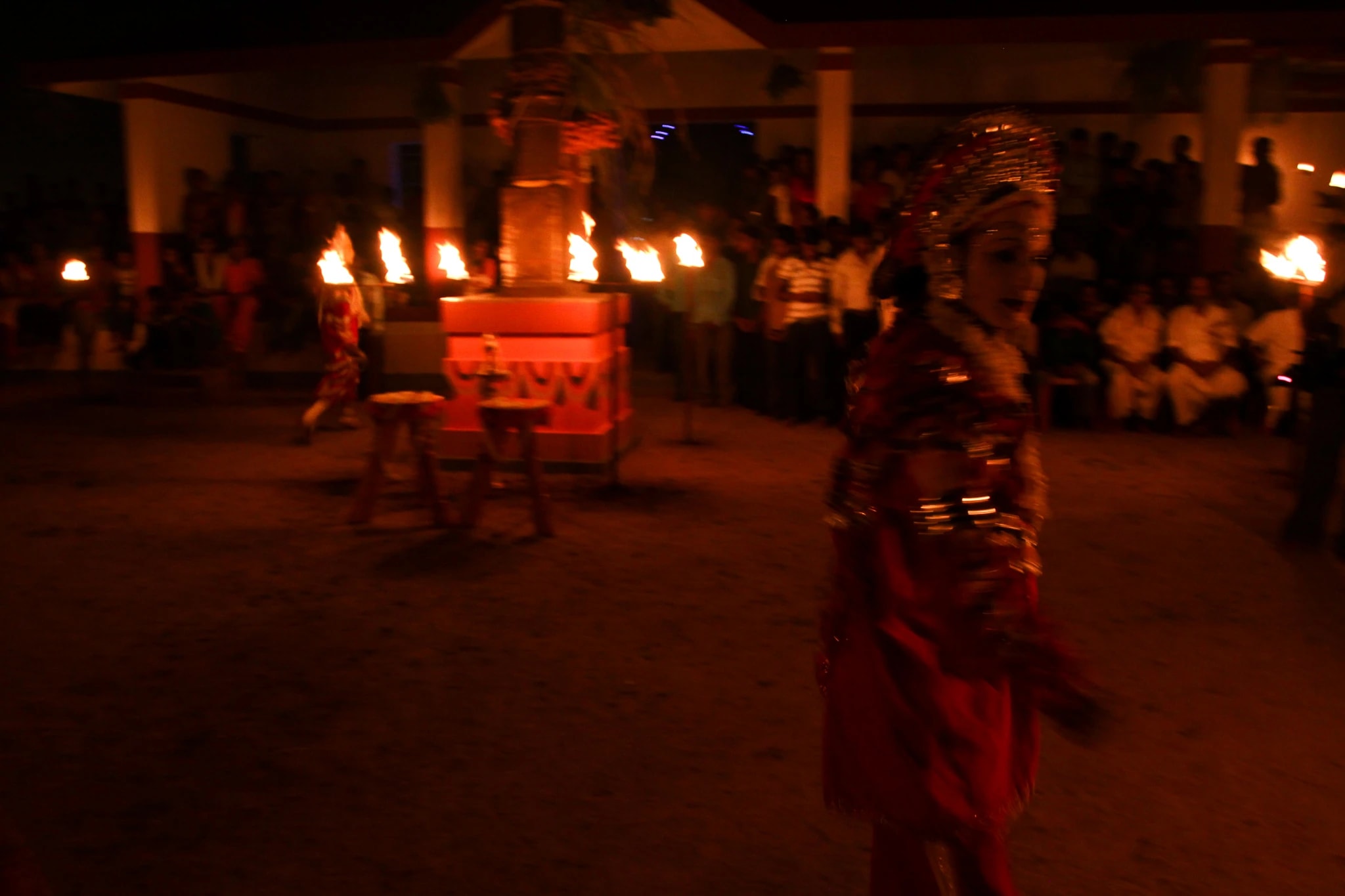
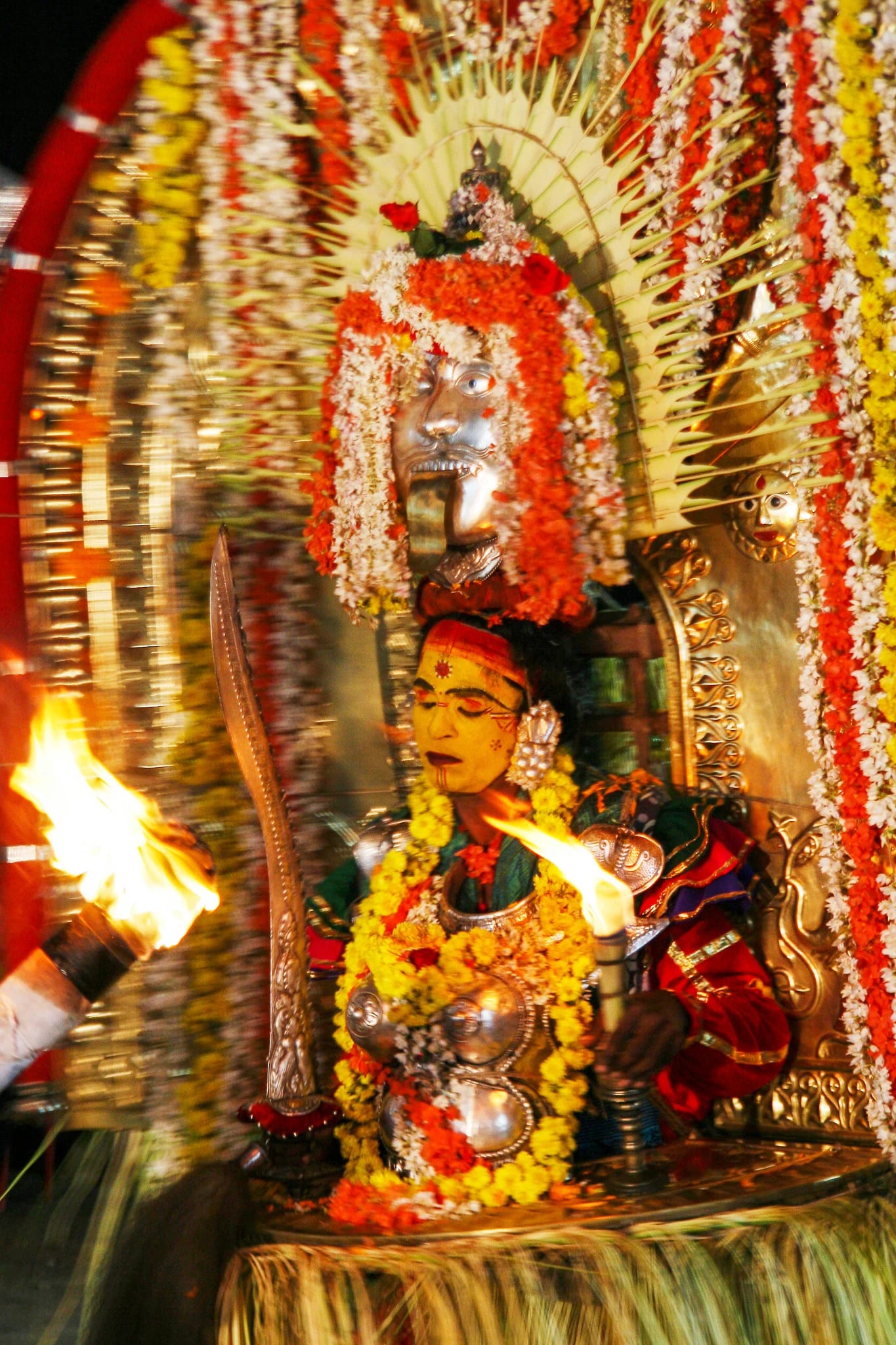
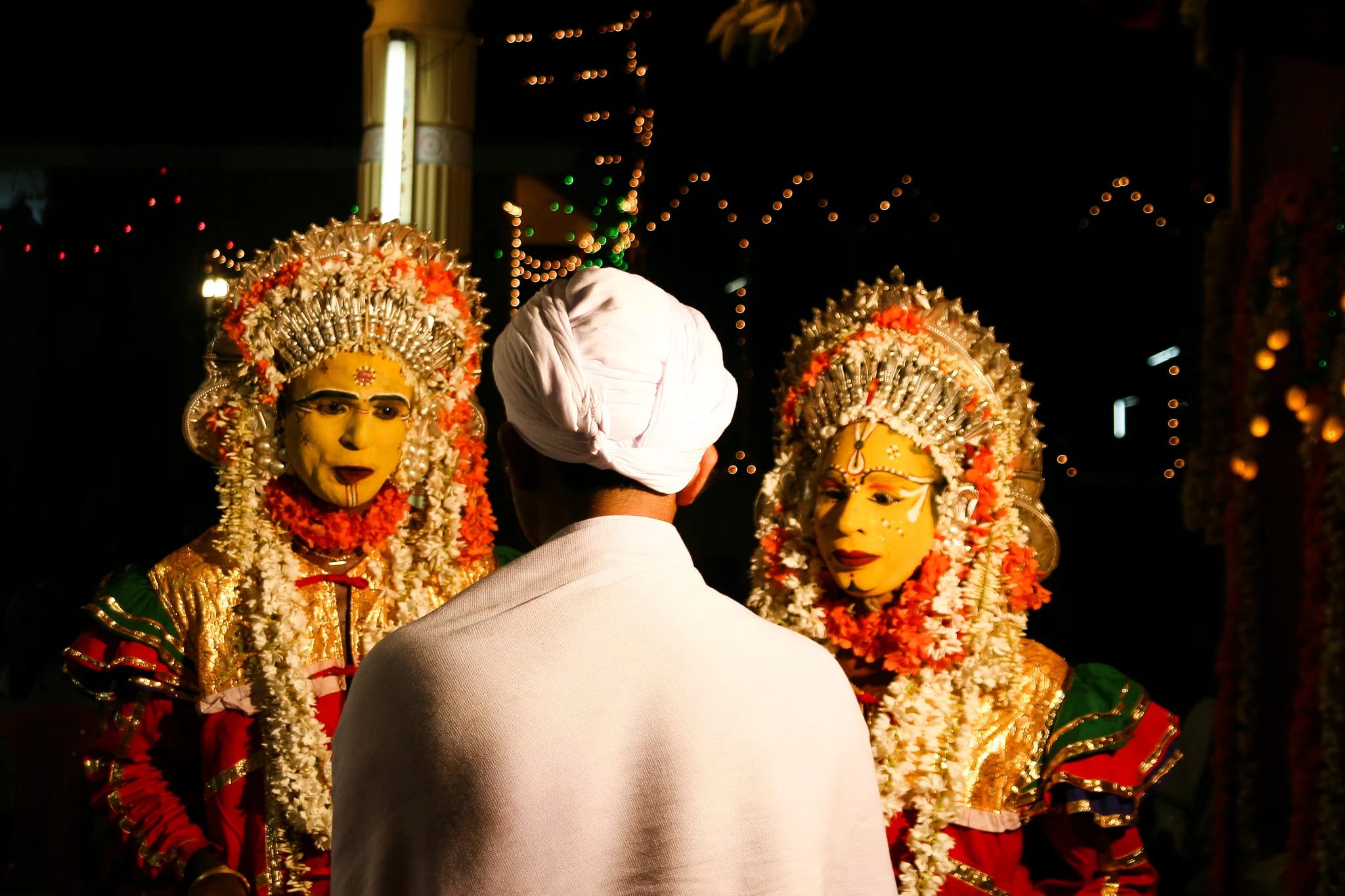
For one extraordinary night, the exploited become masters and the untouchable commands attention. This is Bhoota Kola, South Kanara's ritual theatre where over 350 Bhootas embody distinct identities, creating a sacred space that connects invisible worlds with everyday life through performance, belief, and shared tradition.
Within this temporary realm, the impersonator releases anger, grief, and frustration while assuming supernatural authority. The performance becomes a powerful meeting point between ritual, memory, and lived experience, where hidden emotions briefly find public expression before ordinary life returns.
02
These recitations do more than honour tradition. They expose the cruelty embedded within history, revealing how repression, injustice, and social change shaped the lives of marginalised communities. Every verse becomes both remembrance and quiet resistance, allowing forgotten experiences to survive through performance and shared memory.
Humiliation, exploitation, and oppression reach their symbolic climax within the ritual itself. Through colour, music, dance, elaborate costumes, and sacred performance, cultural expression transforms suffering into public spectacle. Yet beneath the celebration remain unmistakable reminders of social inequalities that existed in the past and continue shaping the lives of communities today.
Songs Remember Buried Injustice
The Paaddana, epic songs performed during worship, preserve memories of caste oppression, exploitation, crime, and social conflict, transforming collective suffering into ritual narratives carried across generations with solemn purpose.
03
Performance Gives Voice To Collective Defiance Against Oppression Across Communities
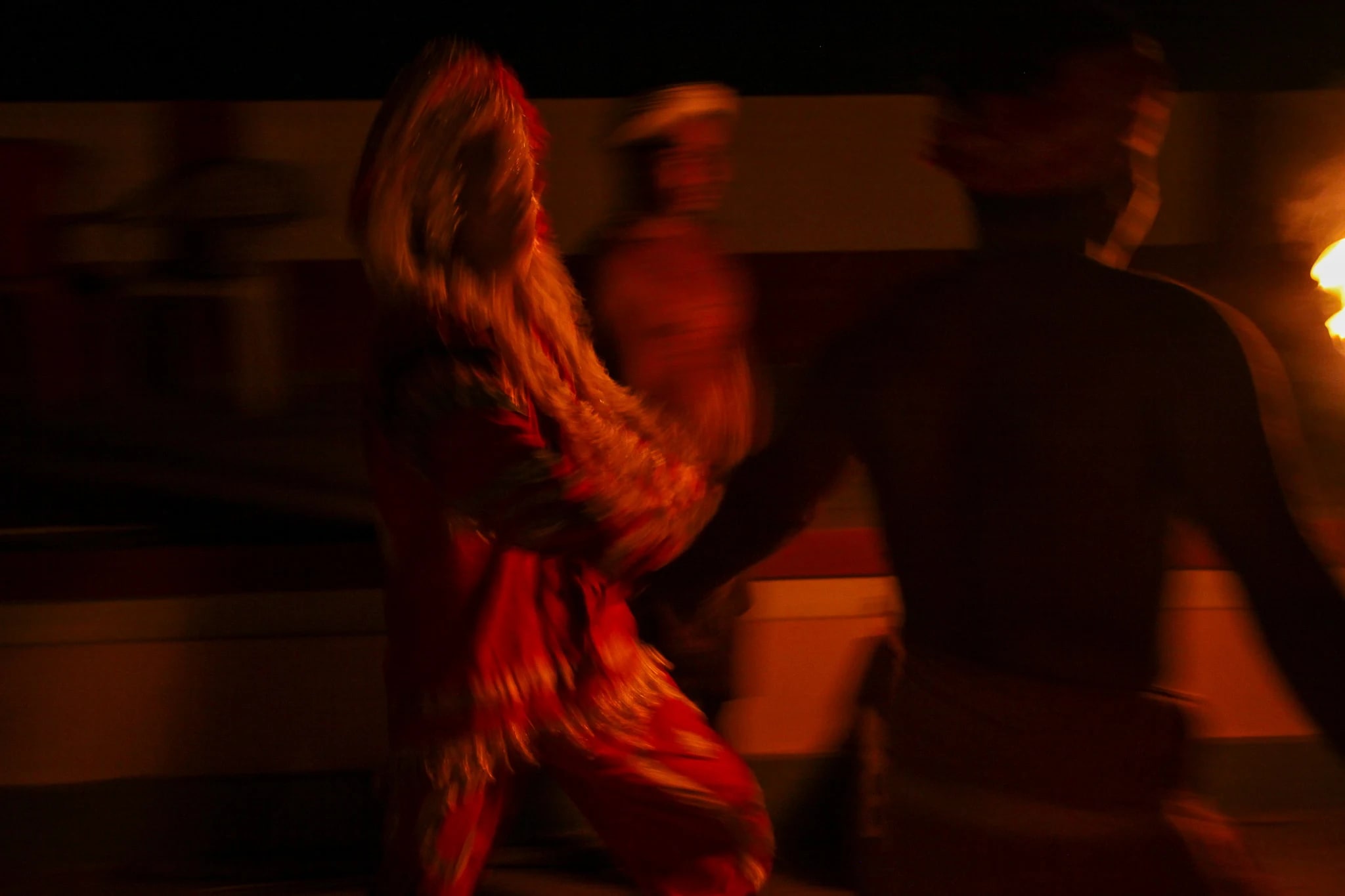
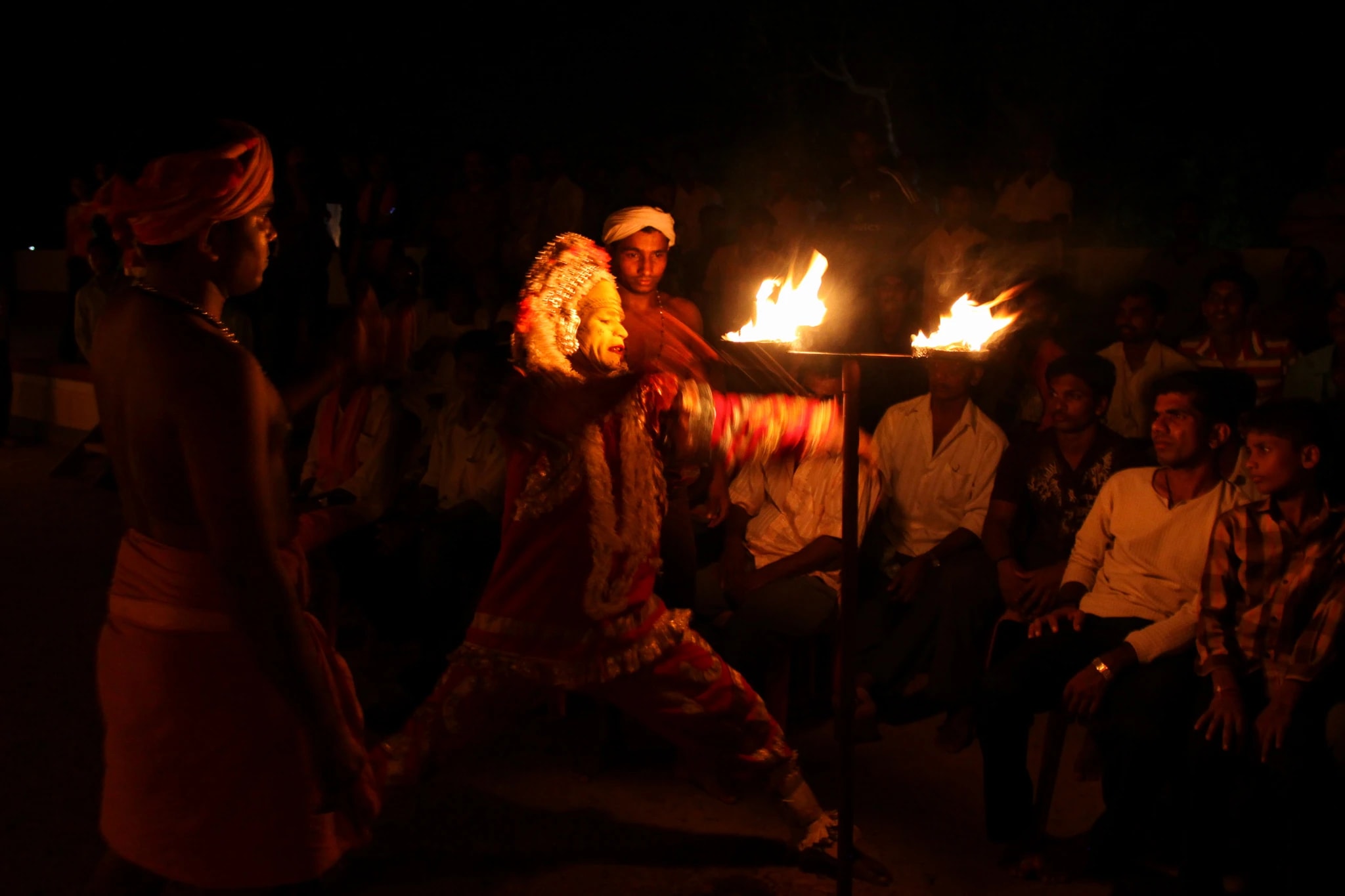
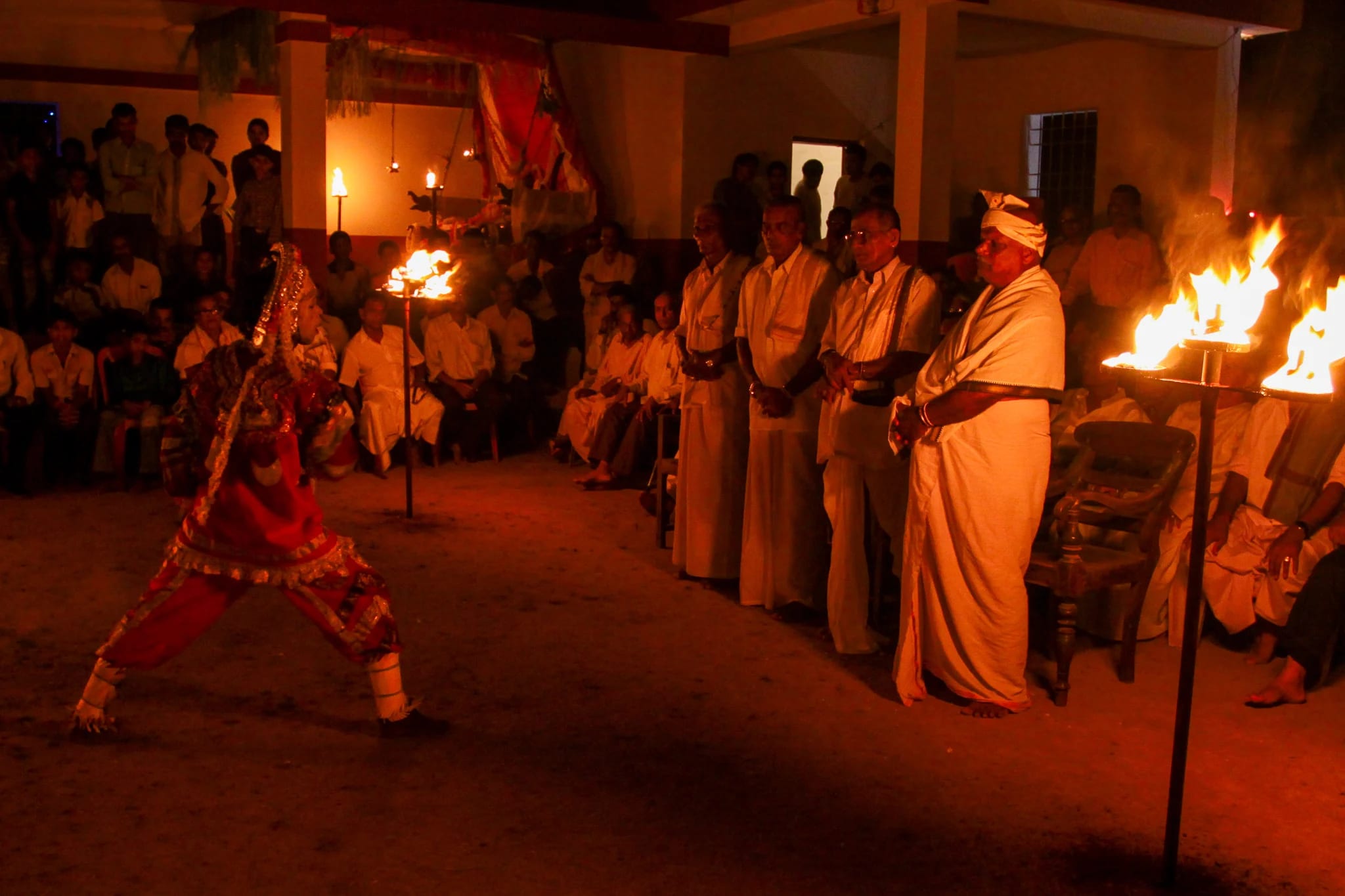
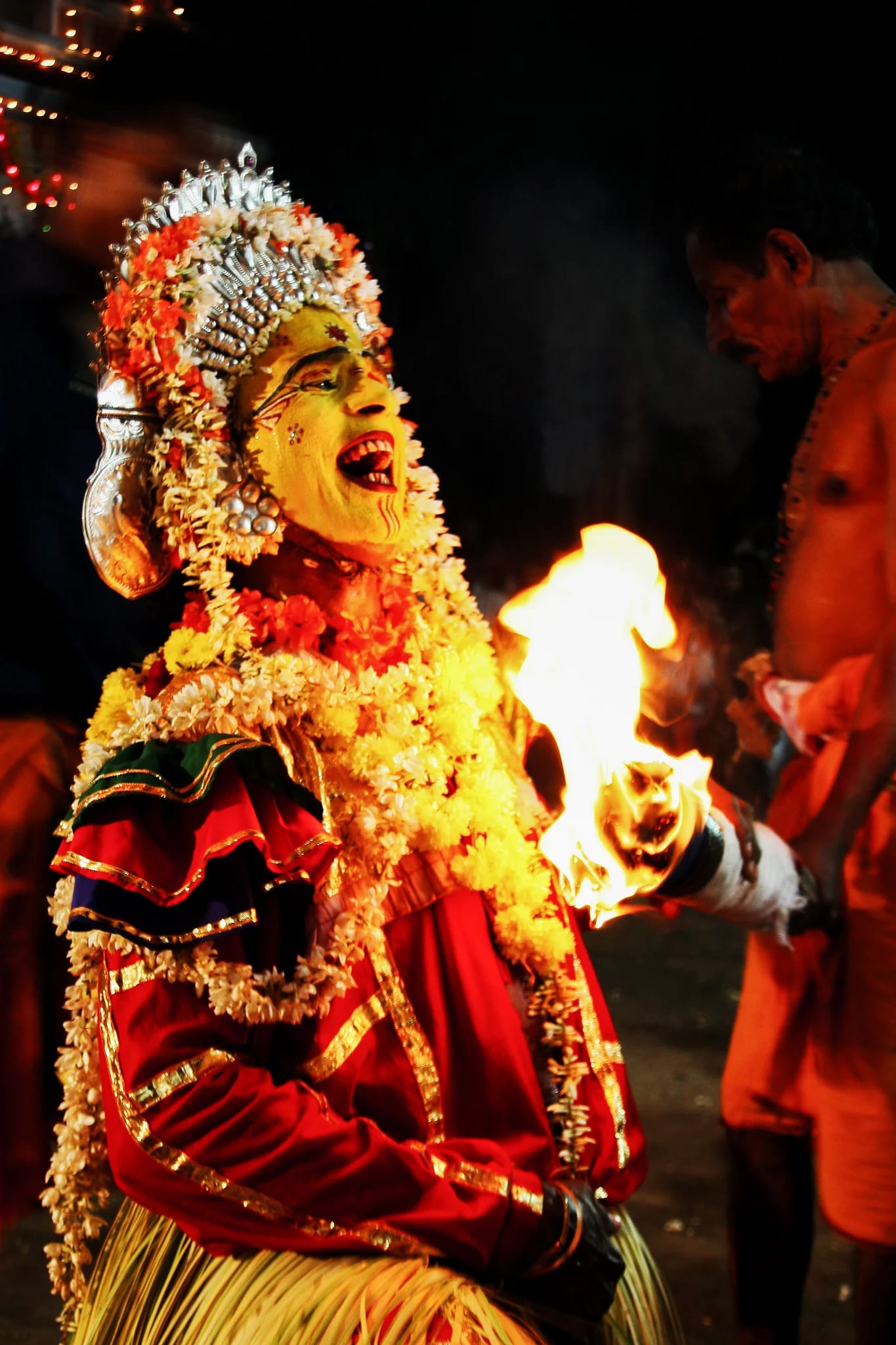
Watch the performer swallow fire, wound himself with a sword, and walk across burning embers. These acts transcend spectacle, transforming individual endurance into a powerful expression of collective protest and resilience.
Though one person embodies the Bhoota, he speaks for an entire community. Every dramatic gesture challenges oppression, carrying the anger of generations beyond the individual performer and into the shared consciousness of society itself.
04
Identity Through Ritual Performance
South Kanara's communities preserve distinct cultural identities through rituals shaped by caste, seasons, and tradition. What one community reveres as culture may remain unfamiliar or insignificant to another, reinforcing social boundaries across generations.
Ideas of purity and pollution, superiority and inferiority, governed these relationships through rigid caste hierarchies. Communities occupied carefully defined positions, with those considered impure enduring exclusion while ritual practices continuously reinforced these deeply embedded social distinctions.
05
Illusion Grants Protest Without Lasting Revolution Or Change
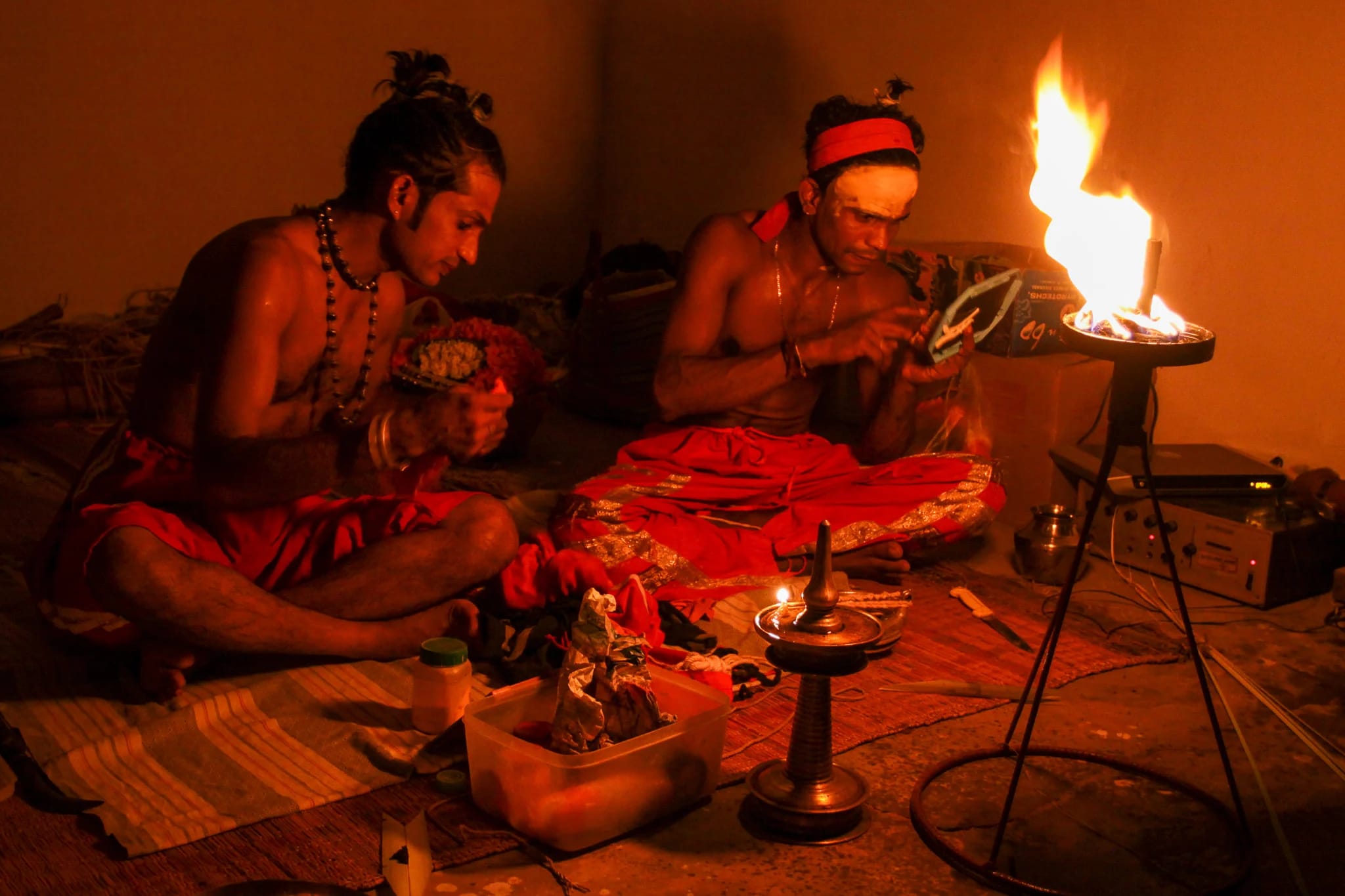
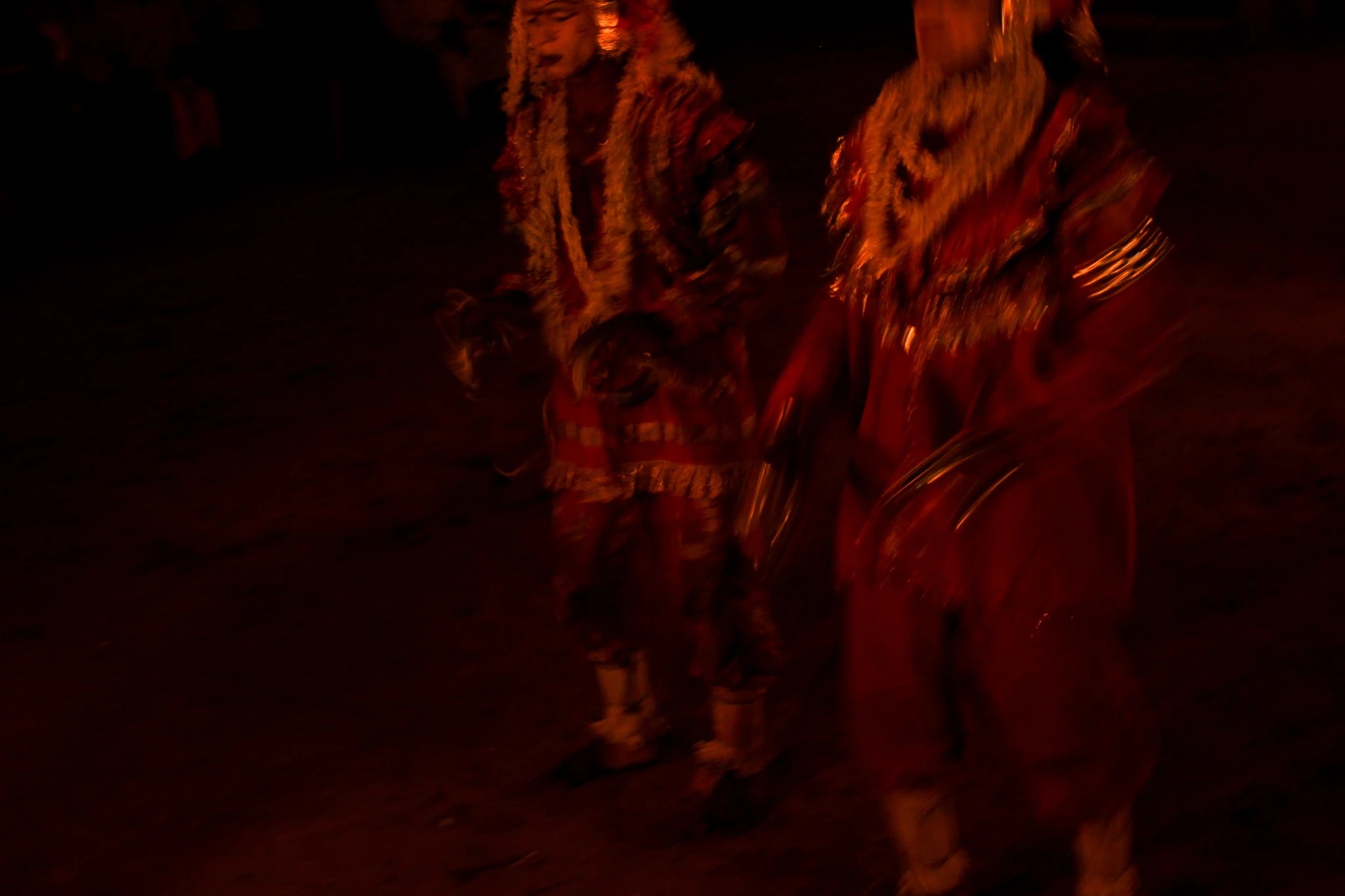
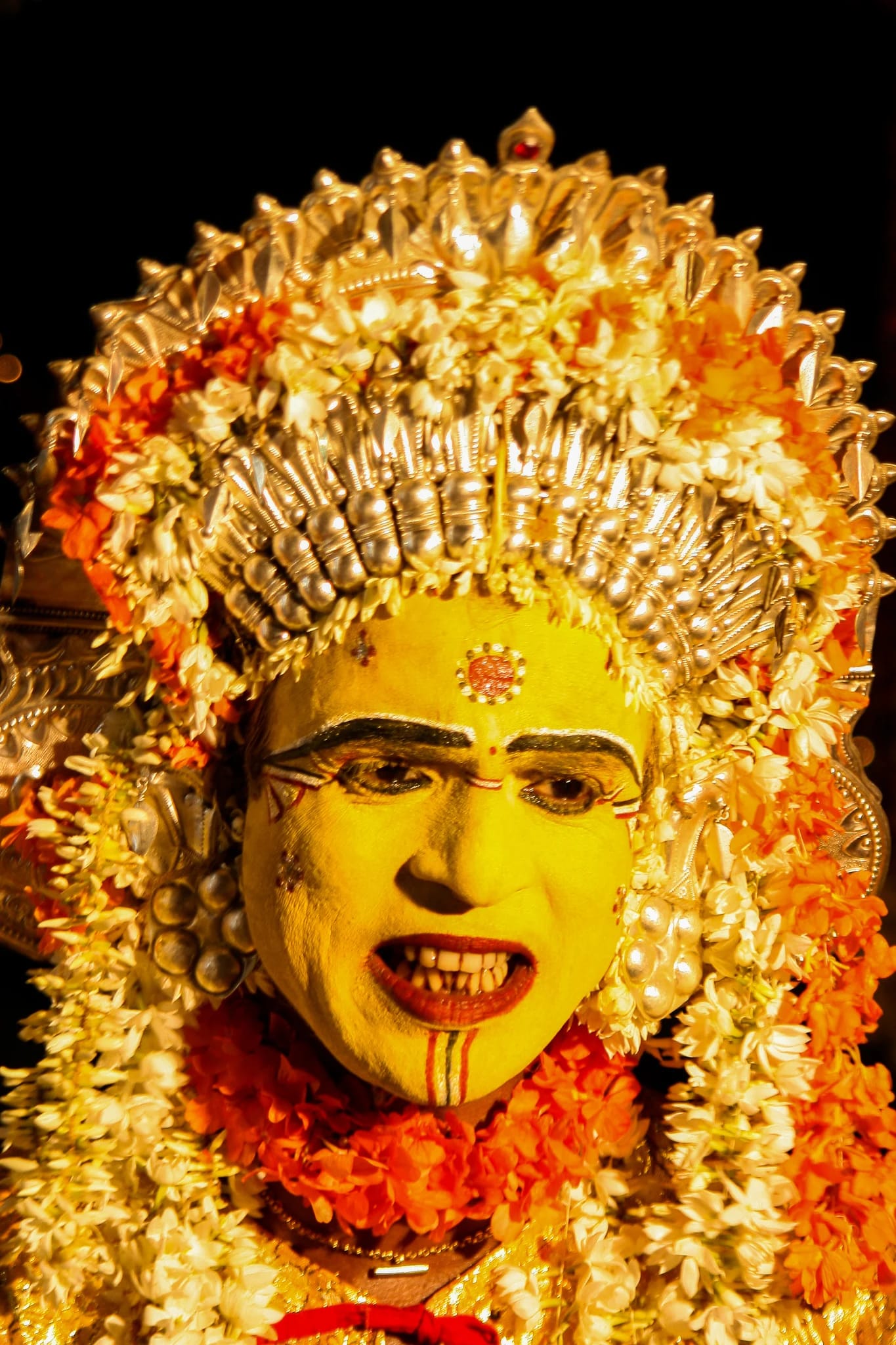
Bhoota worship exists within the same caste structure it quietly challenges. Communities sustaining the tradition have long occupied society's margins, while performers from scheduled castes become its principal custodians. Through striking costumes, vivid facial colours, masks, weapons, and ritual performance, they give artistic form to generations of exploitation. Yet this rebellion survives only inside the carefully constructed world of ritual, where injustice may be confronted but never permanently overturned.
For a brief moment, the exploited become masters and impurity transforms into ritual purity. When the performance ends, however, the illusion fades and everyday hierarchies quietly reclaim their familiar authority.
06
When The Costume Falls Away, Society Quietly Restores Every Hierarchy It Momentarily Had Suspended Before
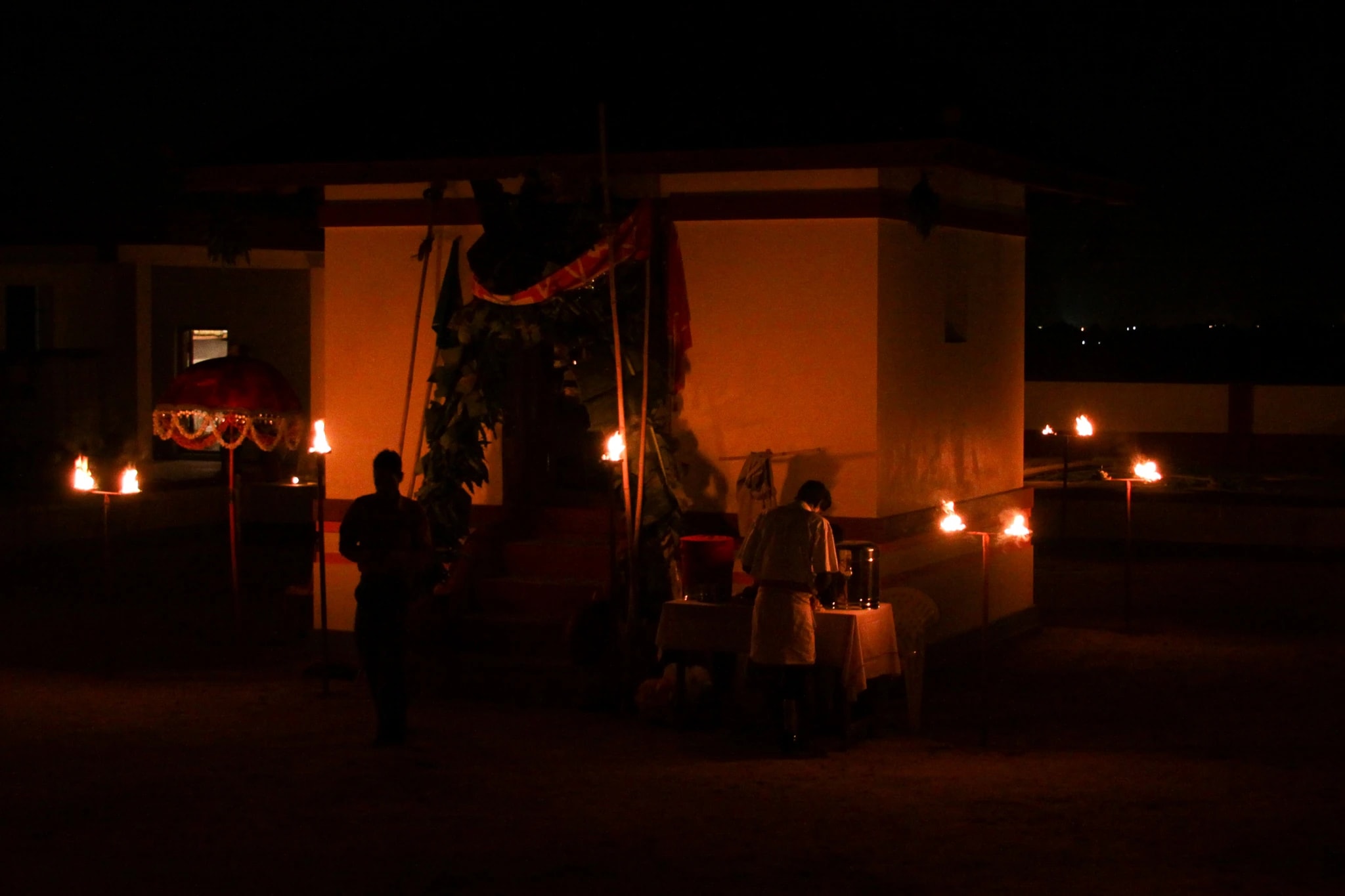
Protest exists only within a carefully constructed illusion where time, place, performers, and ritual briefly overturn established power. Beyond that sacred space, economic injustice and caste divisions remain firmly rooted in everyday life.
The revolution is permitted only because it ends before reality itself is ever required to change permanently.
Upper-caste participation legitimises this temporary reversal, creating a ritual safety valve through which collective anger finds expression without threatening the broader social order. The performance offers release while preserving the very hierarchy it symbolically challenges.
07
The Ritual Ends, The Hierarchy Endures Until Tomorrow Again
Generation after generation, Bhoota worship survives because the inequalities that gave it meaning continue to exist. The ritual preserves memory, voices protest, and offers symbolic justice, yet its transformative power remains confined within the sacred boundaries of performance.
08
Theatre Preserves Memory Beyond Every Performance And Generation Together
Bhoota Kola has endured because it preserves more than ritual. It carries collective memory, transmitting stories of exclusion, resilience, and identity through performances that remain deeply embedded within the cultural life of South Kanara's communities across successive generations.
Each performance reminds participants that history survives through ritual as much as written records. Even when social realities remain unchanged, memory refuses disappearance, ensuring the voices of marginalised communities continue echoing through every carefully enacted tradition.