What School Takes
Location:Bengal & Eastern India
22.5726° N, 88.3639° ECamera -
01
THE POTTER'S HANDS
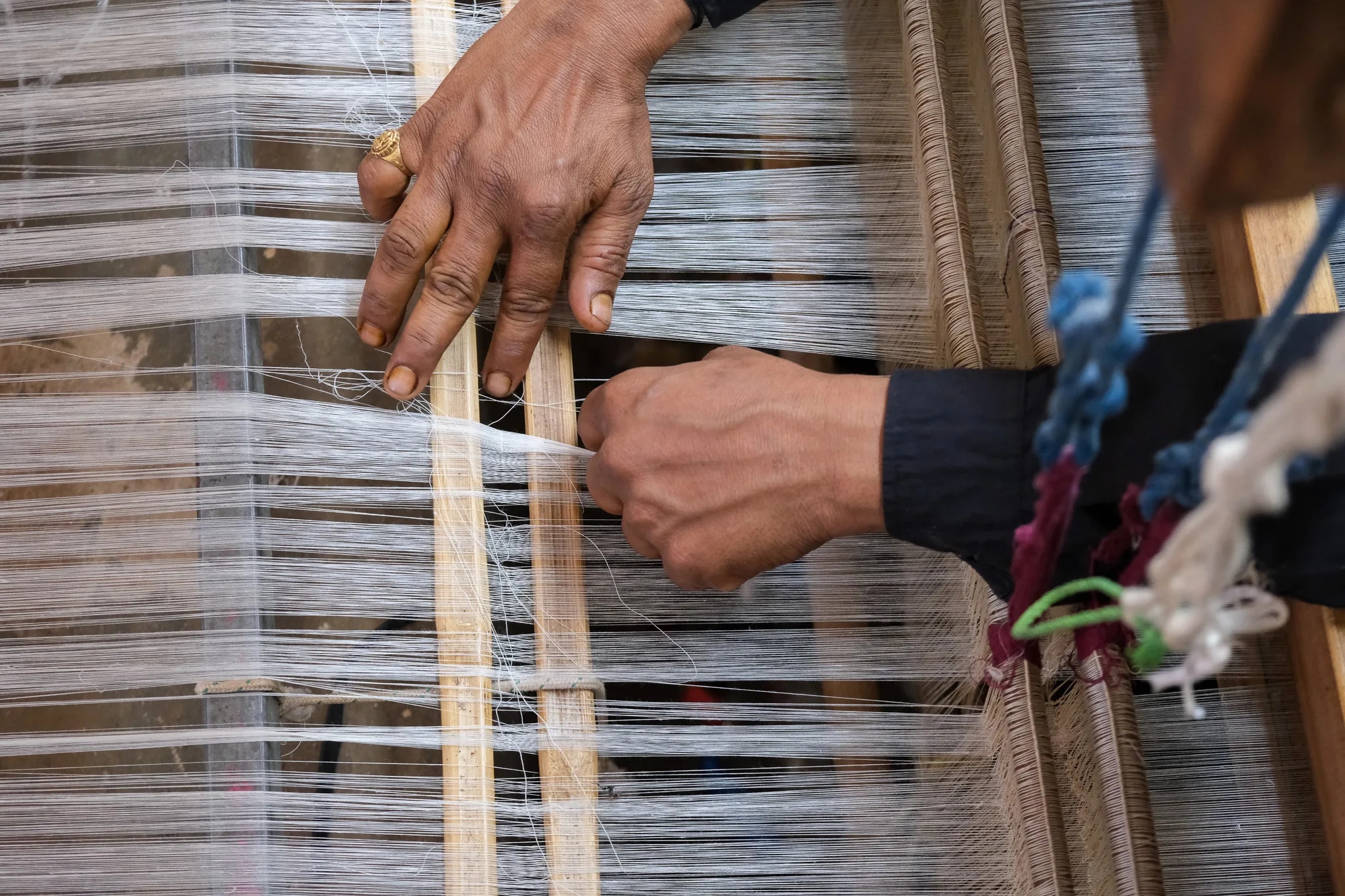
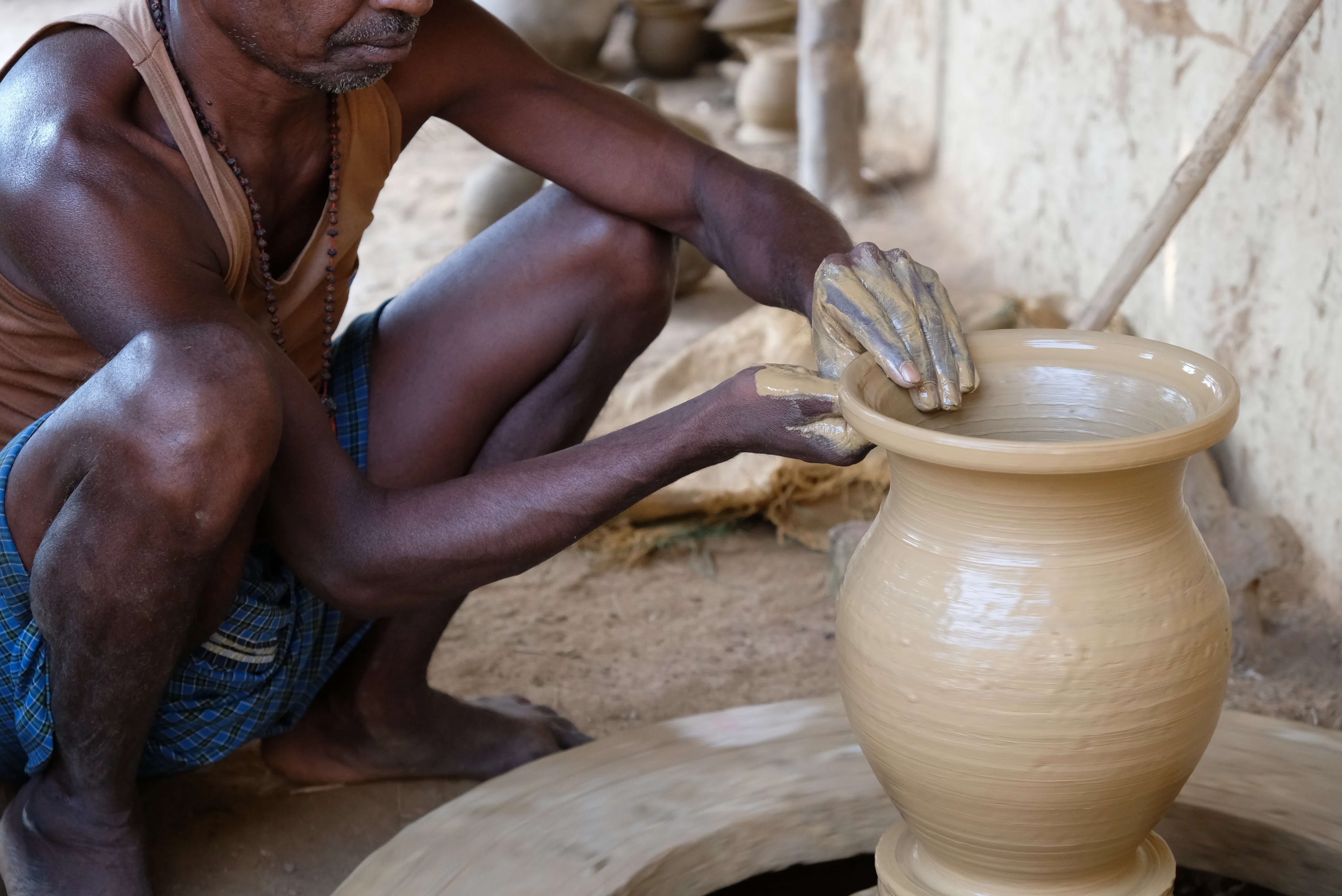
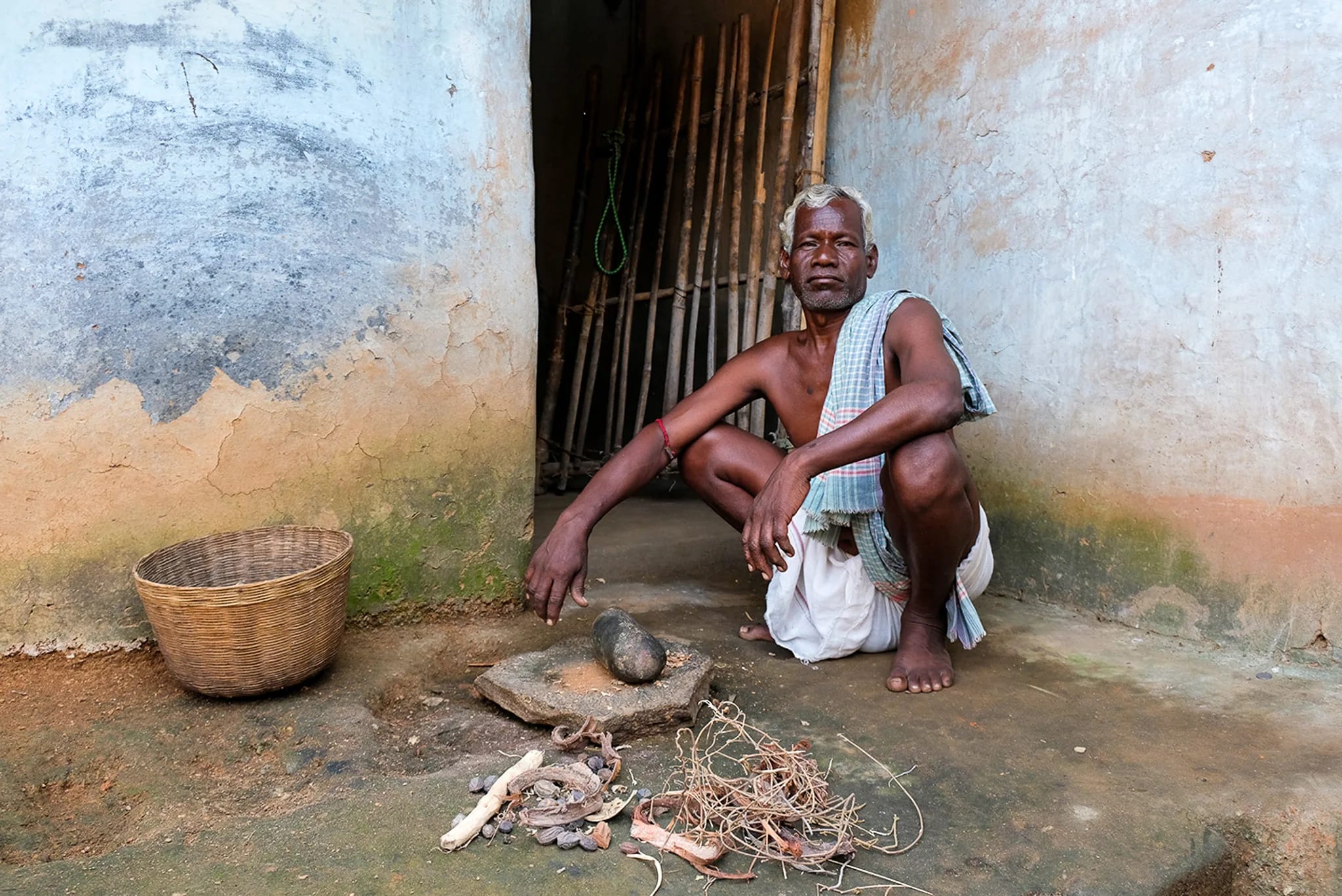
I watched a master potter in Bengal arrive at a form so innately beautiful I couldn't explain it. His hands moved without hesitation, the clay responsive, the shape emerging as if it had always been there waiting. No sketches, no measurements, no corrections. Just knowing.
What guides that certainty? How does someone shape clay into something perfect without being taught design principles or aesthetic theory? The answer, I think, is biological. An instinct that hasn't been educated out of him yet.
02
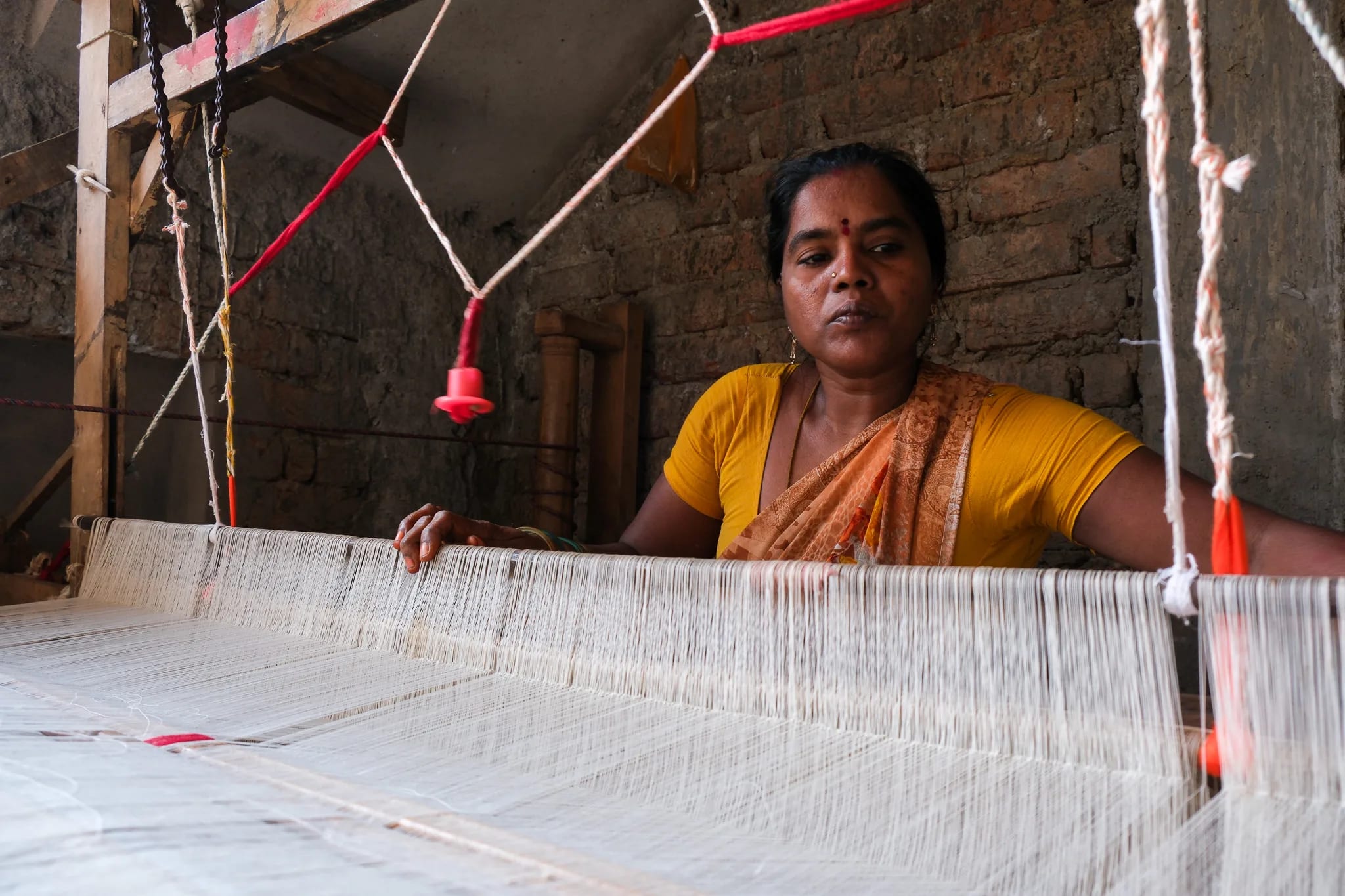
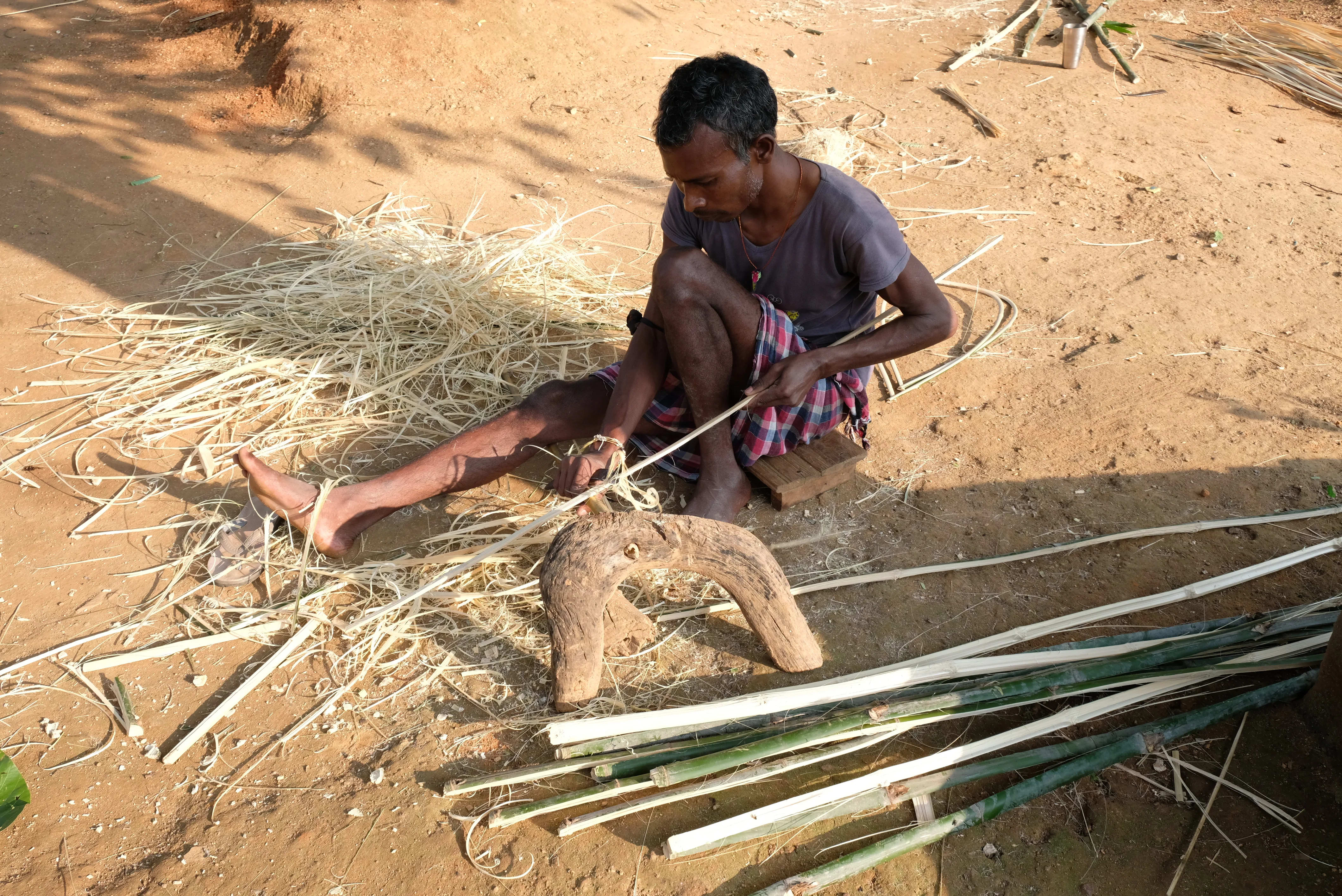
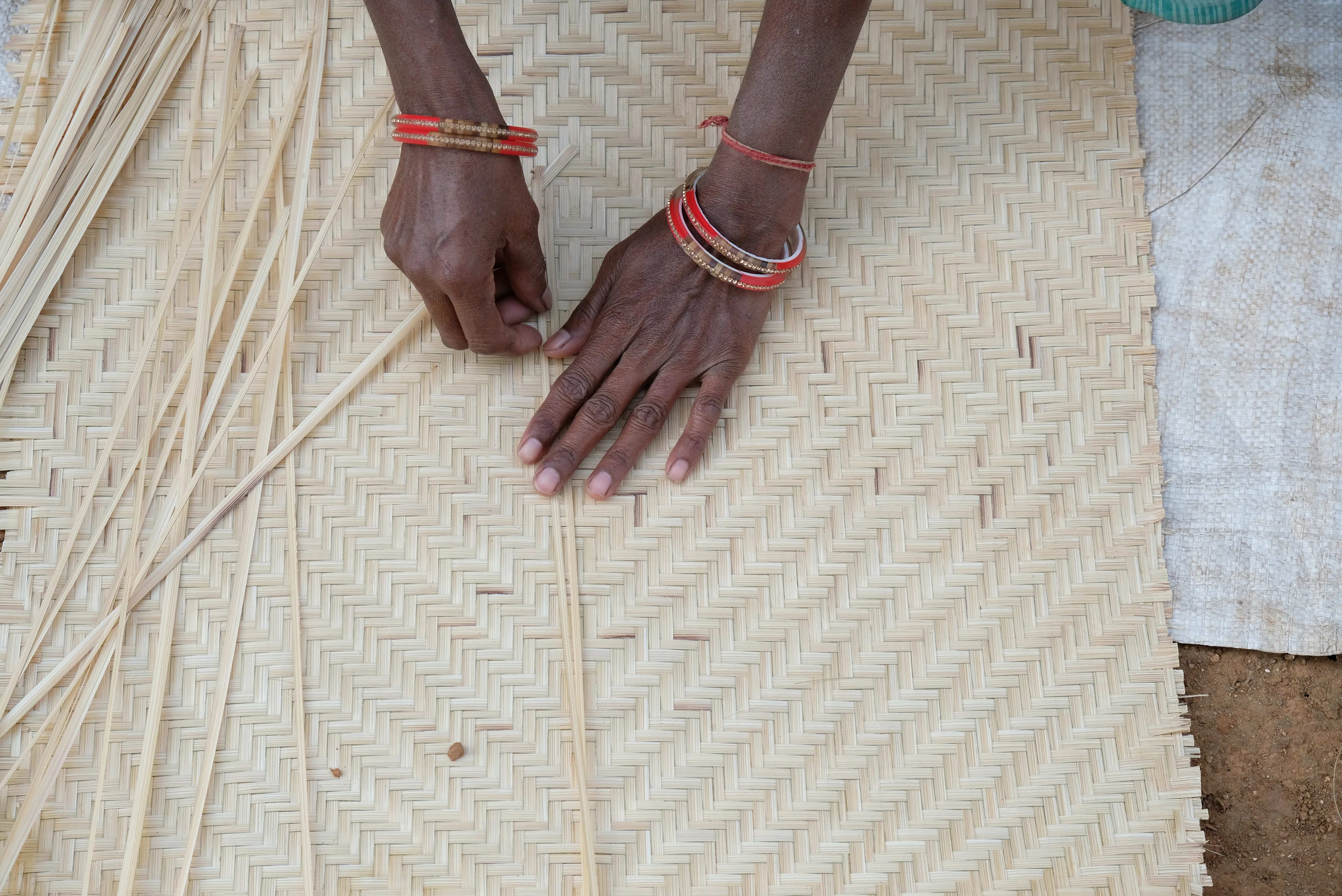
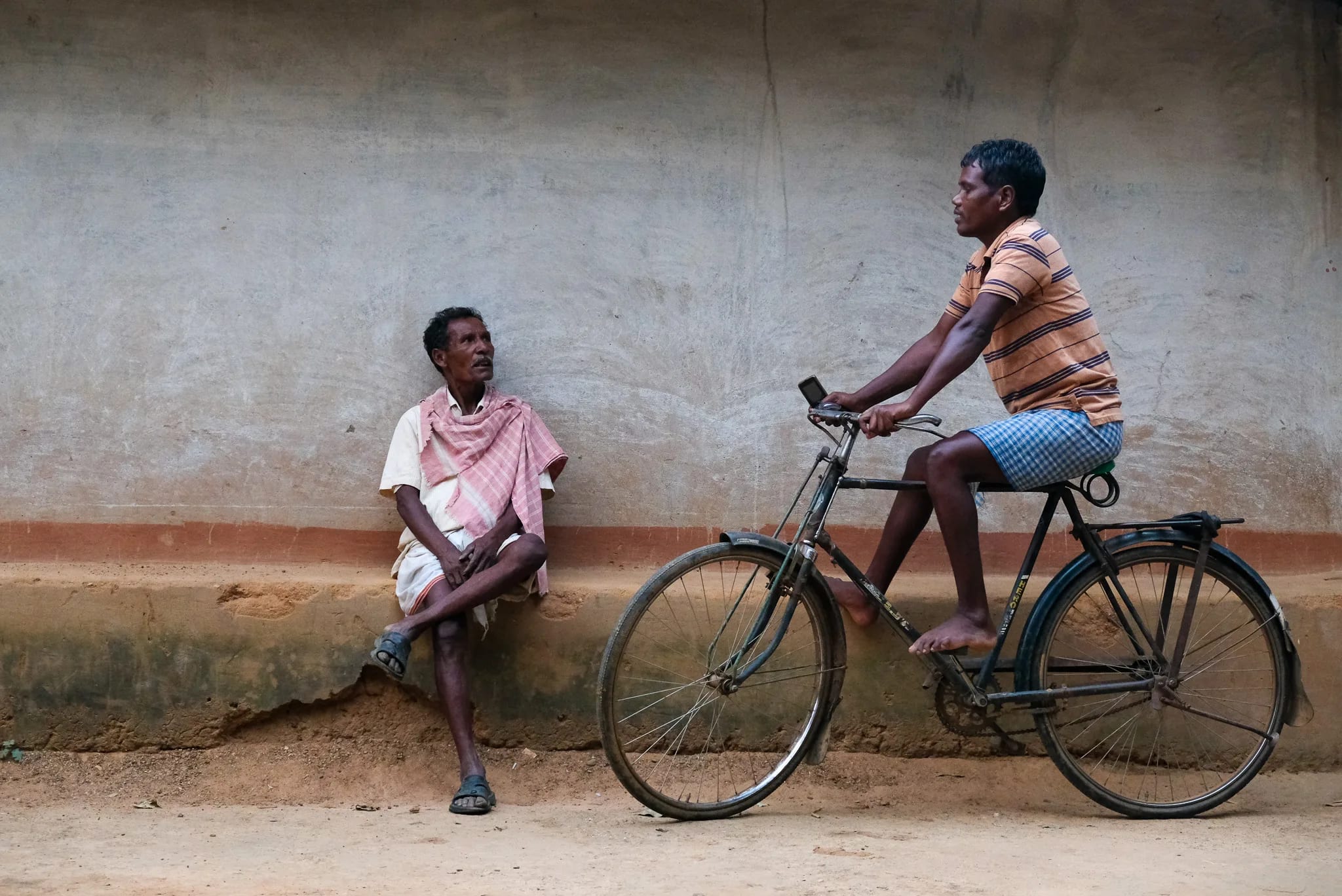
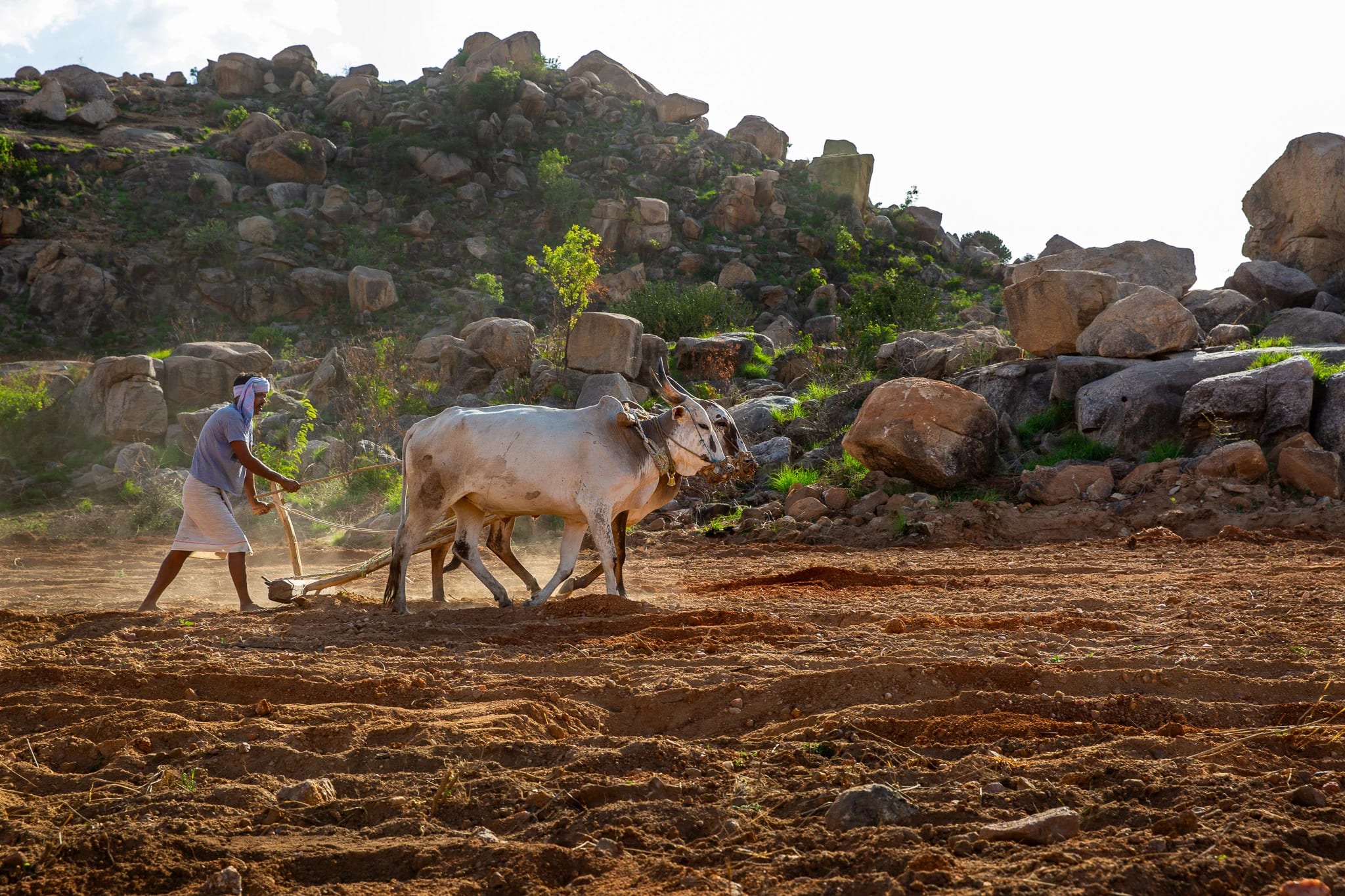
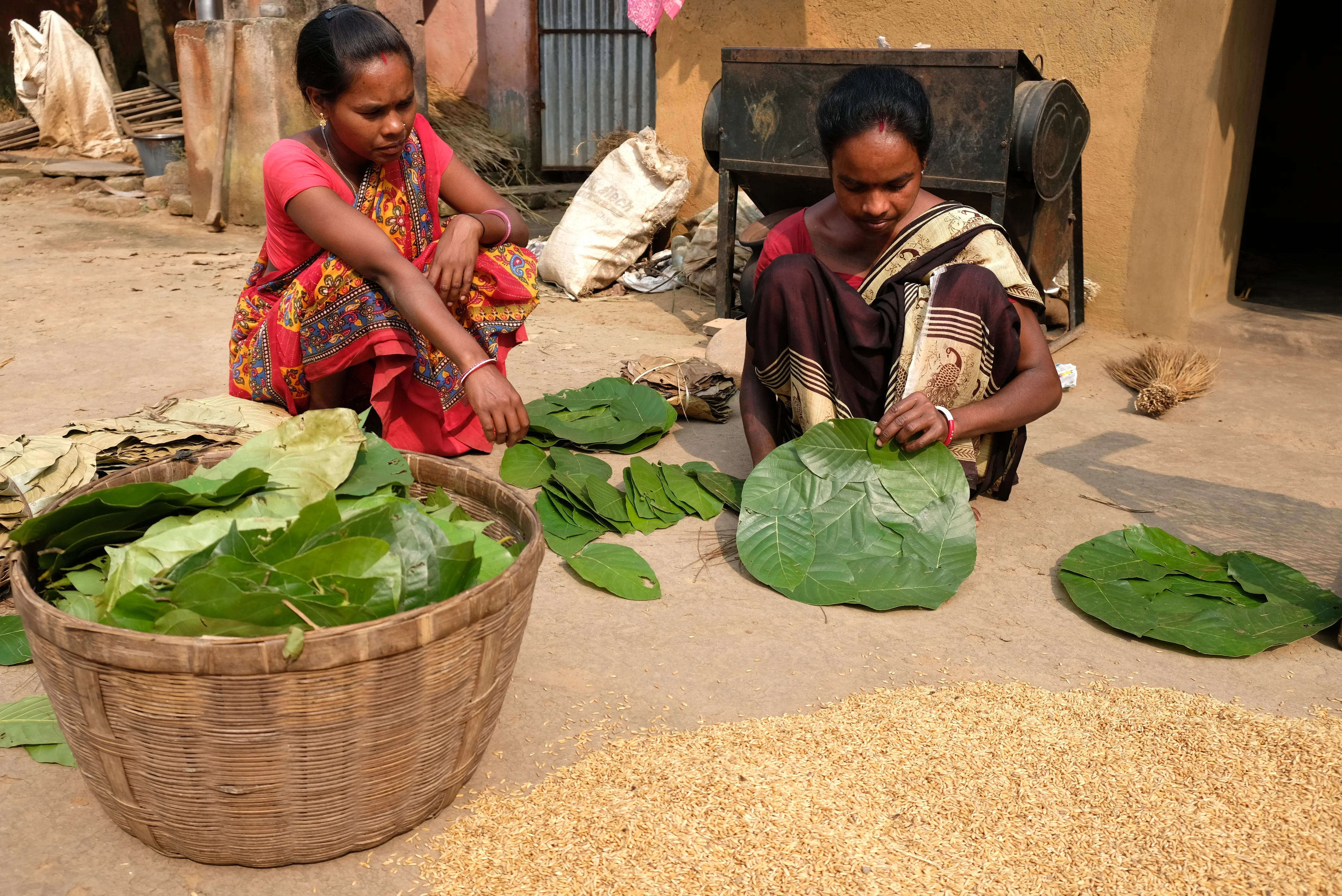
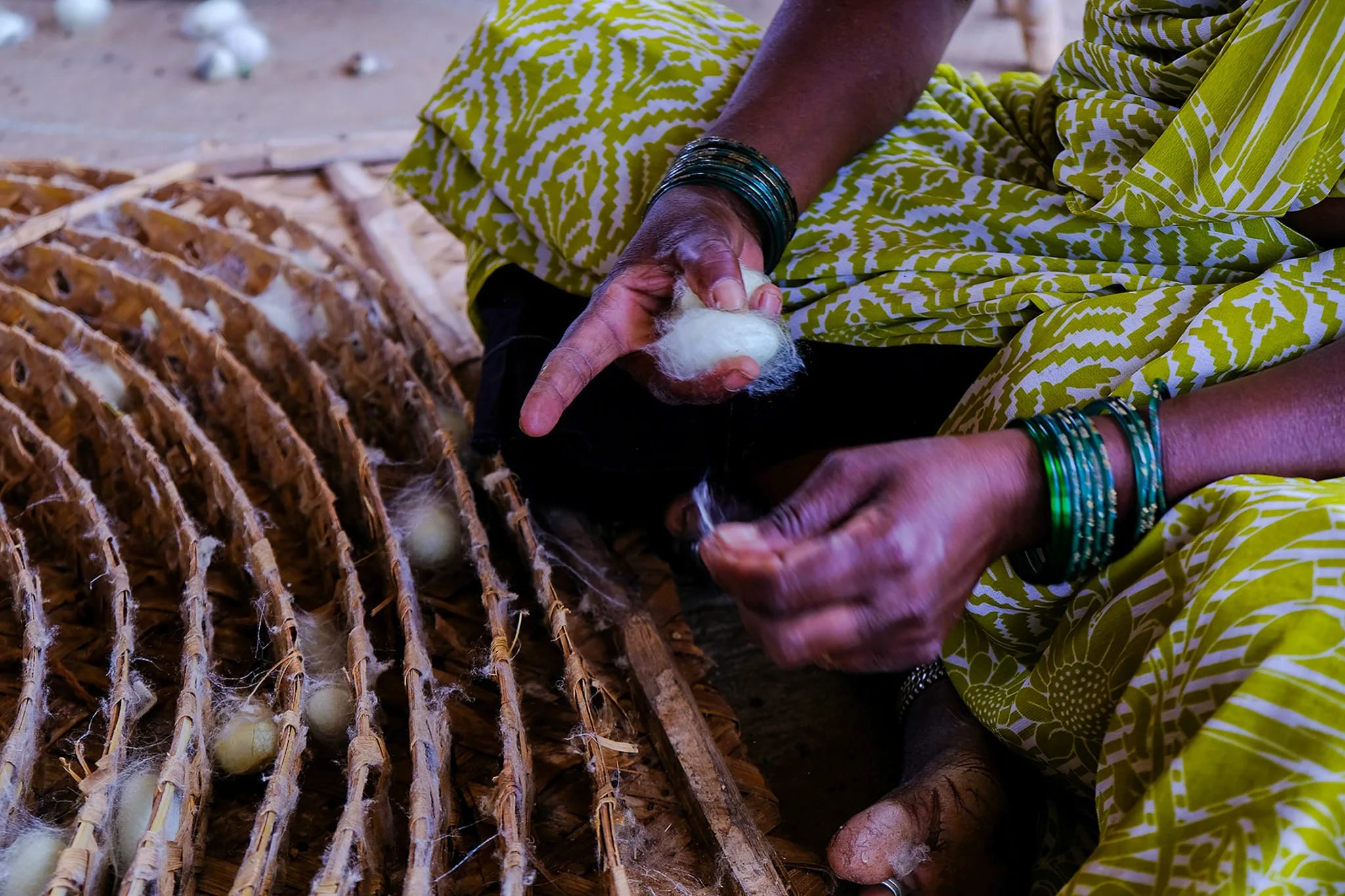
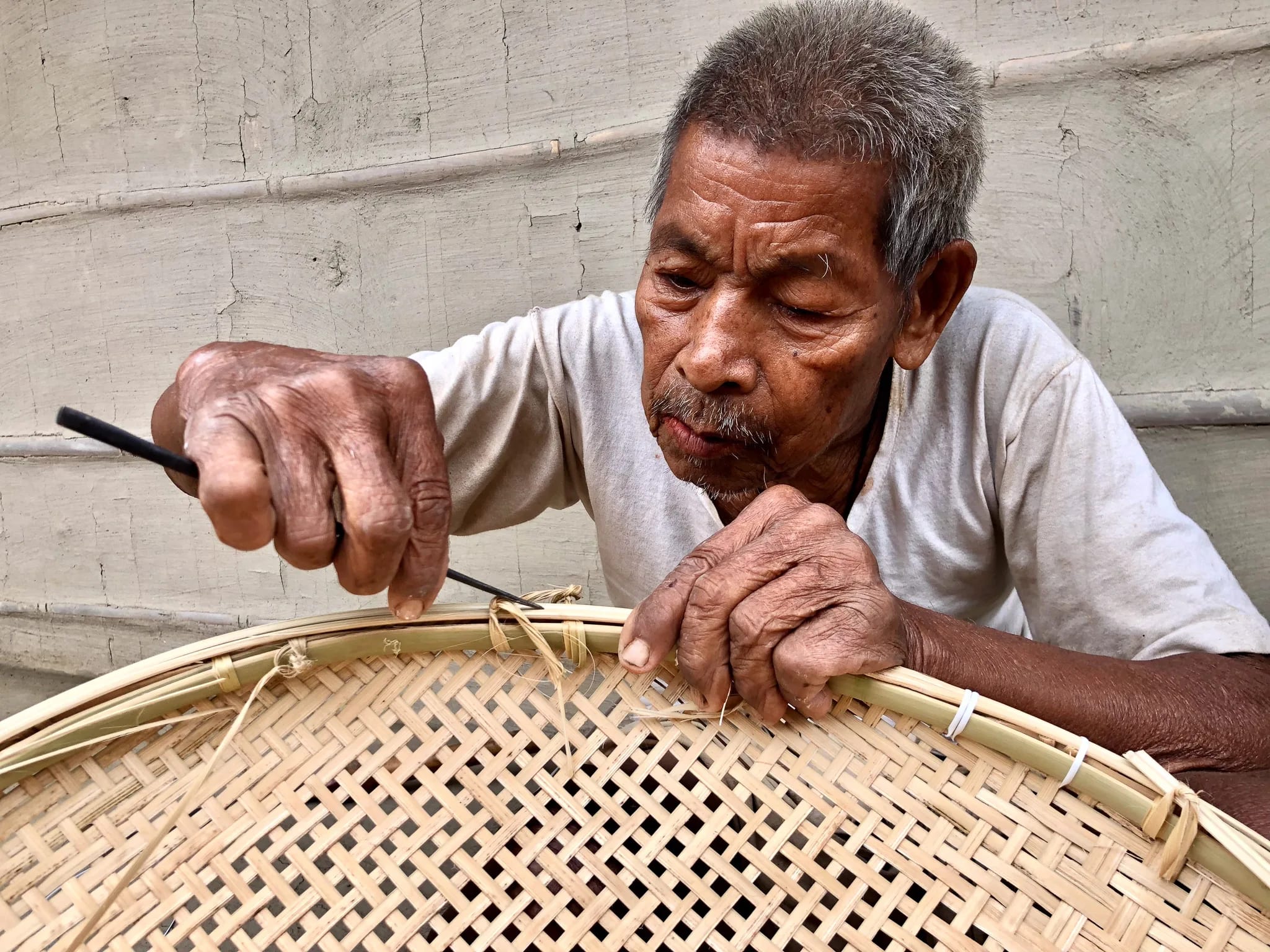
I started working with artisan communities in Bengal, Orissa, Bihar, Nagaland, Tamil Nadu, and Kerala, not to develop them or educate them. The opposite. To regain what I'd lost getting educated. These artisans had escaped education and development. They were still original, still authentic, holding onto the culture and worldview that sustained them for centuries.
In modern making, this is entirely absent. Artists, architects, and designers anywhere create with a uniform, almost regimented aesthetic sense. We've been taught what beauty is. We don't sense it anymore.
UNDEFILED BY MODERN WAYS
People undefiled by modern ways stay open to this guidance. Their senses work differently. They act holistically, every gesture carrying aesthetic quality without self-consciousness. What we call culture emerges from this. Not from theory or instruction but from sensing and responding, generation after generation, until the knowledge sits in the hands themselves.
03
THE DO-NOTHING METHOD
The journey was selfish. Decolonising myself. What I found: every intervention in the name of training corrupts their sense of knowing. Trainers arrive, impose methods, and disrupt genuine aesthetic sensibility. The only useful role for outsiders is erecting fences against influences that damage what's already there.
The do-nothing method. Accept that each person is creative and intelligent. The need is only initiating the process by which artisans use their subdued potential. Not teaching. Inspiring.
04
DEATH OF
TRADITIONAL SKILLS
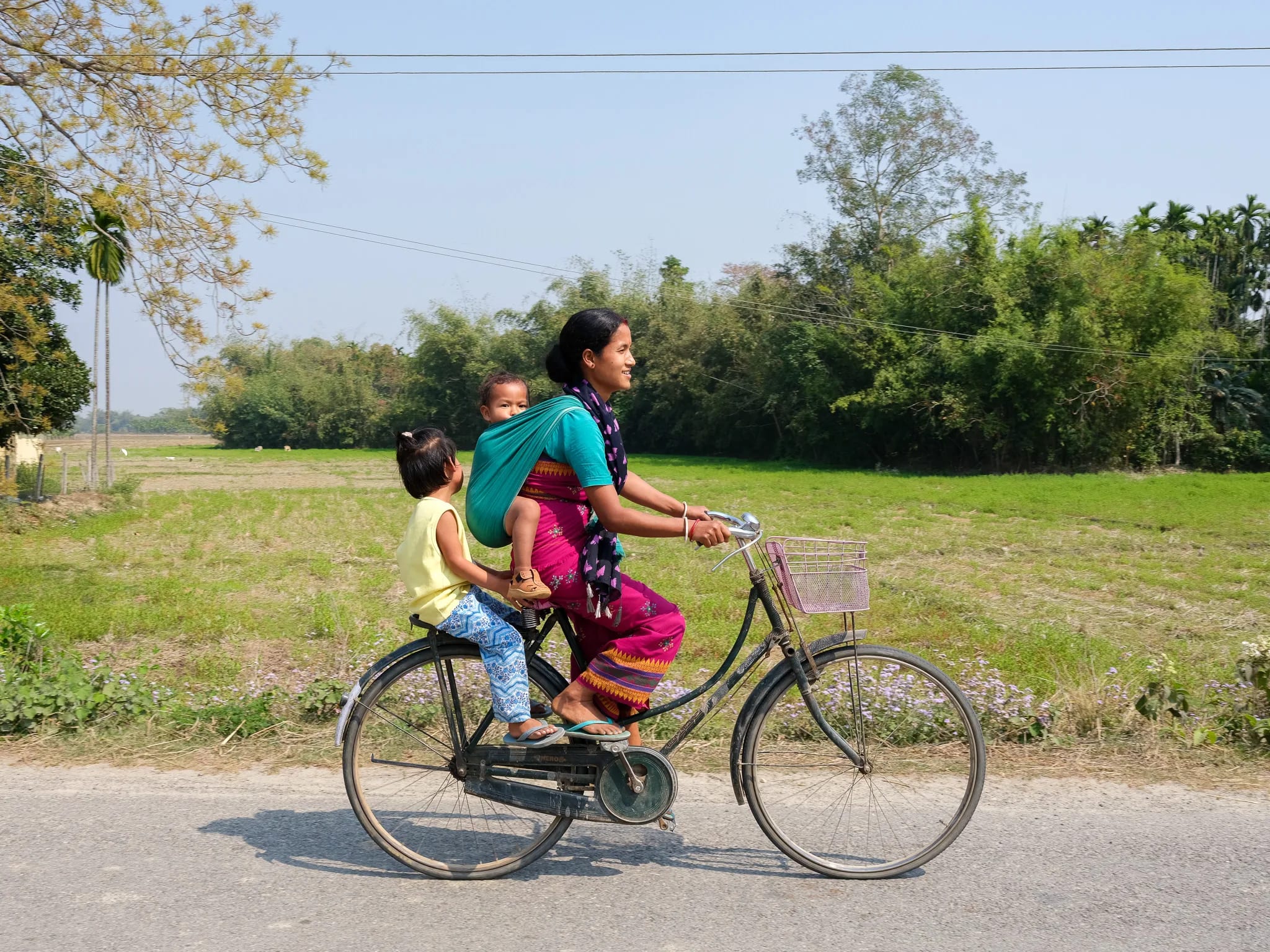
But school undermines this entirely. Sending all artisans' children to school ensures the death of traditional skills. Craft, farming, healing, folk arts, and specific knowledge systems held within village communities. Education as we practise it — institutionalised, structured, instruction-orientated, expert-dependent — makes other ways of knowing extinct.
The process of knowing in non-codified societies is fundamentally different. Instinctual, biological, unselfconscious, relating to senses. In codified societies it's memory, text, digital. And institutional learning creates blinkers that prevent understanding earlier systems. Children admitted to schools become misfits in their own environment.
05
APPRENTICES NOT STUDENTS
This is positioned as an opportunity. Education so they can become something in life. But what they already are gets erased in the process. We need master craftsmen who believe a secure future for the craft is possible if children are infused with faith and pride in traditional work.
Apprentices, not students. Learning by doing alongside someone who knows, not sitting in classrooms being told. In traditional societies every situation is a learning situation. To live means to know. Birth to death, a rhythm.
06
ALL SENSES AWAKE
Watch children play in these communities. Every game sensitises senses and develops planning, balancing, guessing, and mathematical thinking. Not taught. Experienced. Reading is not the same as seeing and experiencing actual things. They activate different brain aspects.
Modern education environment, senses totally absent. Everything secondhand through text. Knowledge separated from the knower. Knowledge now precedes the knower. We've become passive believers of text and experts instead of active creators and inventors of knowledge.
We no longer use senses, feelings, or experience to know the world. We're taught everything. Including beauty.
07
COLONISED AESTHETICS
When students year after year learn design through Western history, Western aesthetic sense, and the Western design process, is it surprising they get estranged from their own history, culture, individual sense of beauty, and their very being? Outer manifestations of any culture — architecture, craft, food, music, dance, ritual — are imbued with the aesthetic sense of people who belong to that culture.
08
KNOWLEDGE AND DESTRUCTION
Indigenous knowledge results from collaboration between people and surroundings guided by nature's need to preserve all life. Biological elements in knowledge lead communities to create life-sustaining knowledge, guided by the autonomy of senses. If knowledge is a biological response to sustain life, the present estrangement between man and nature is unimaginable.
Textual knowledge, devoid of experiential and biological content, fostered grounds for this. Now with computers, text is being replaced by virtual. Photographs, radio, movies, television, digital. The calamity of virtualising knowledge will be far more destructive than the textual paradigm. Ultimate loss: human creativeness and life at large.
09
PROTECTING THE CAPACITY
After all the education we've gone through, how much do we truly know? By educating children, what do we want out of them? Mediocre, insensitive, imitative, stressed, dependent workers? Or creative, sensitive, intelligent, cooperative, original, loving, happy, independent, self-disciplined people?
The idea of education itself stands challenged. The key guiding principle behind any learning must preserve each child's individuality and independence — prerequisites to creativity — while providing inputs that sharpen senses. Not teaching beauty. Protecting capacity to sense it.