When Elephants Come
Location:Jharkhand, India
23.3441° N, 85.3096° ECamera -
01
Where Ancient Elephant Paths Collide With Expanding Mines, Villages, And Changing Forest Landscapes Across Generations
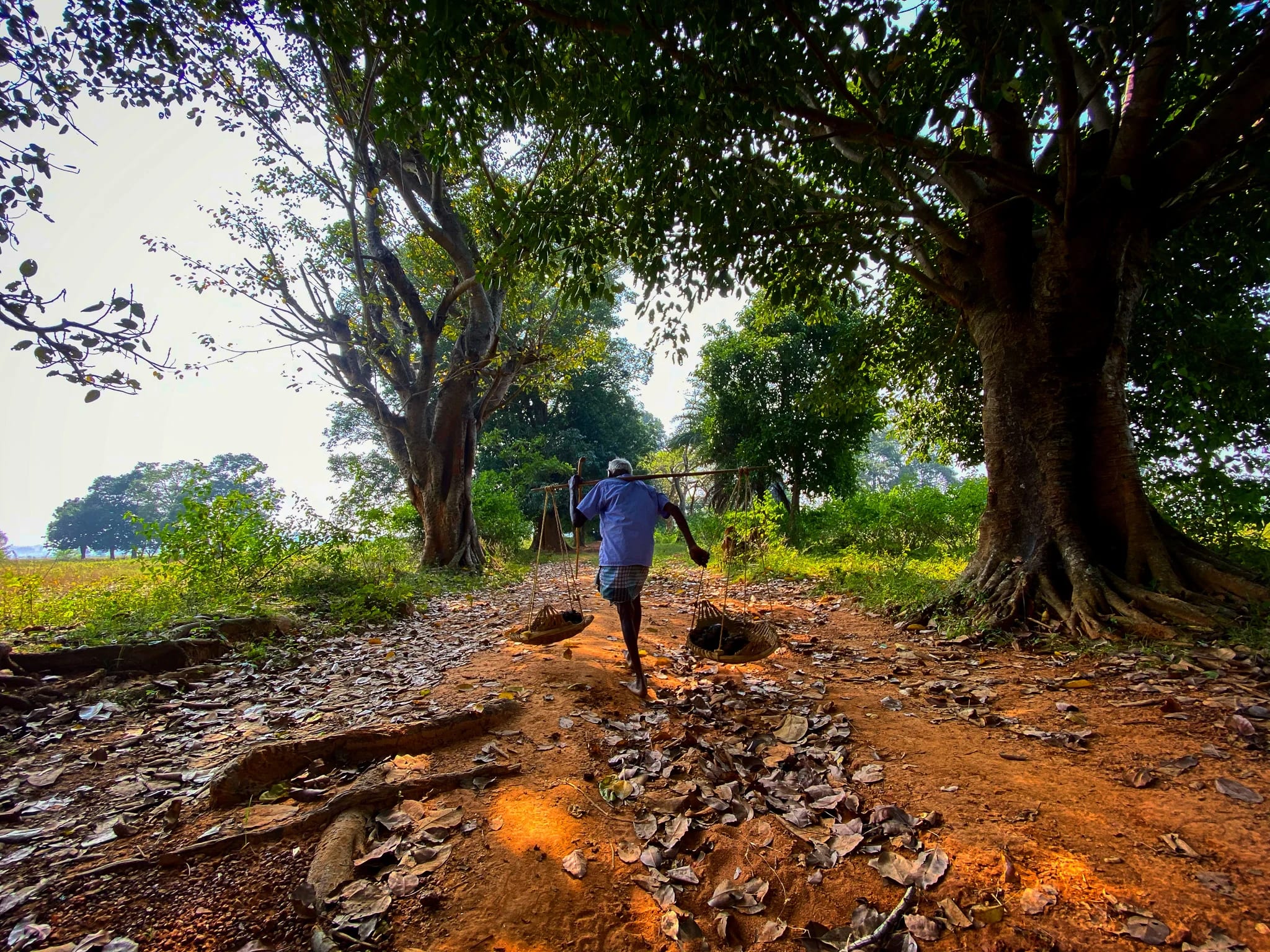
The Chotanagpur Plateau has always belonged to elephants. Dense forests, rivers, and rugged hills have sustained wildlife alongside Adivasi communities for generations, creating an ancient landscape where livelihoods, culture, and nature remain deeply connected through shared dependence upon the forest and its resources.
For thirty-two Adivasi communities, the forest provides medicinal plants, seasonal fruits, timber, and spiritual meaning. They call this enduring relationship Sarna Maa—Mother Earth—a belief that binds people, wildlife, and the land through generations of coexistence.
02
Elephants Need Space, But Human Expansion Continues Breaking The Ancient Corridors They Have Followed For Centuries Together
Elephants require vast landscapes to survive. A single herd may roam between 250 and 350 square kilometres, following seasonal routes in search of food and water. As they travel, they shape entire ecosystems by clearing forest paths, dispersing seeds through dung, and digging water holes during droughts that countless other species depend upon for survival.
Protecting elephant habitat safeguards far more than one species. The same forests sustain wildlife, preserve ecological balance, and support communities whose lives have long depended upon healthy landscapes and functioning ecosystems shared across generations.
When these ancient corridors remain connected, elephants continue their natural migrations without conflict, allowing both wildlife and neighbouring communities to coexist more peacefully across the landscape.
03
Mining Expands While Forest Corridors Disappear, Forcing Elephants And Communities Into Increasingly Dangerous Encounters Across Shared Landscapes Together
Mining has transformed these forests into fragmented landscapes. Jharkhand's rich iron and coal deposits continue driving large-scale extraction, while plans to double annual coal production intensify pressure on elephant habitat. Open pits divide ancient migration routes, leaving herds with fewer safe passages and pushing them toward settlements that once lay beyond their traditional paths.
Monsoon runoff carries contamination into rivers, turning waters red and leaving many villagers without safe sources for washing or drinking their daily water.
The benefits rarely remain within these communities. Profits flow to companies, contractors, and state coffers, while local families lose ancestral farmland and livelihoods. Many migrate to cities for work, while those who remain confront polluted water, fragmented forests, and landscapes permanently altered by extraction.
04
When Communities Gather Together, Collective Decisions Become The First Step Toward Recovery, Resilience, Hope, And Shared Responsibility For Tomorrow
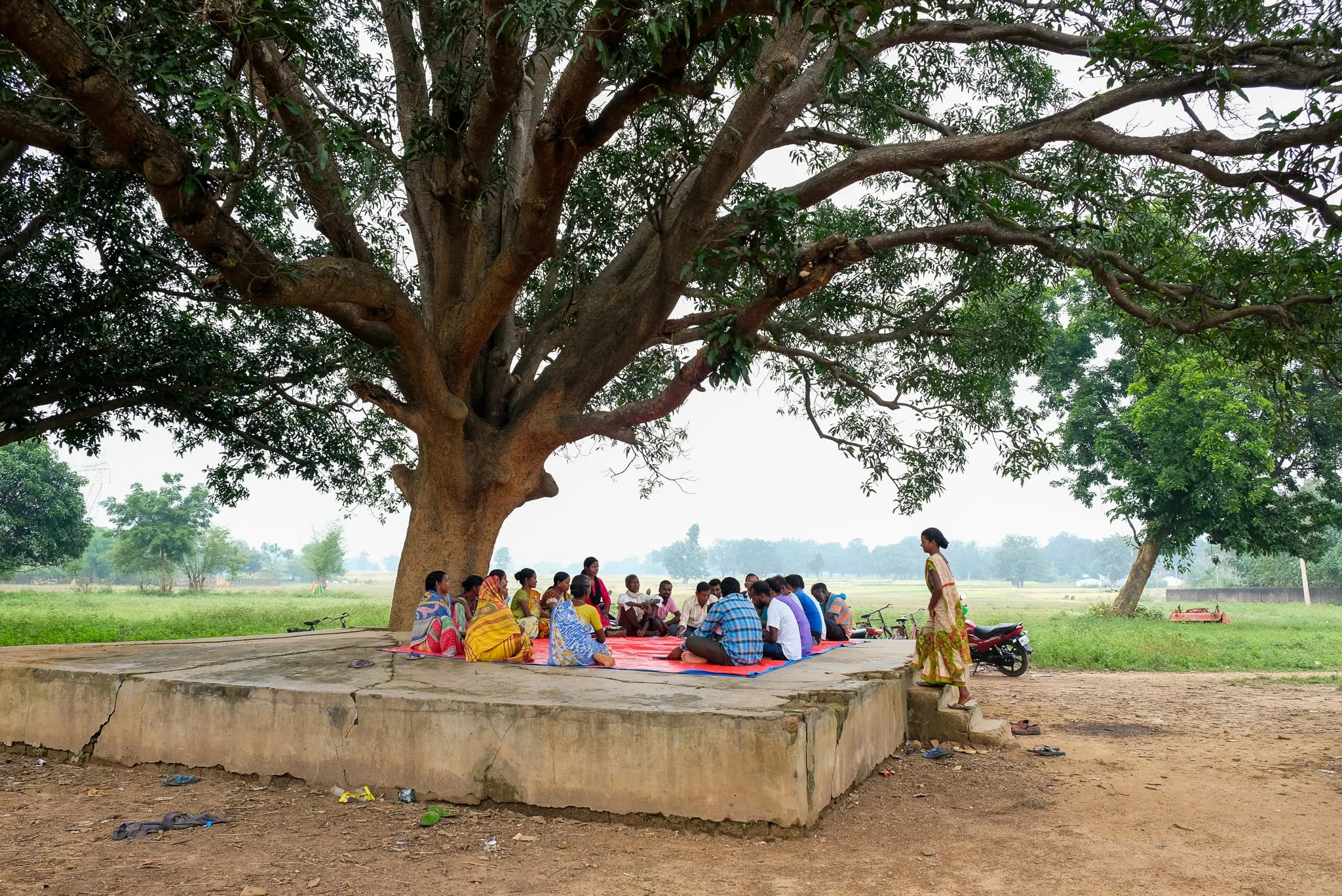
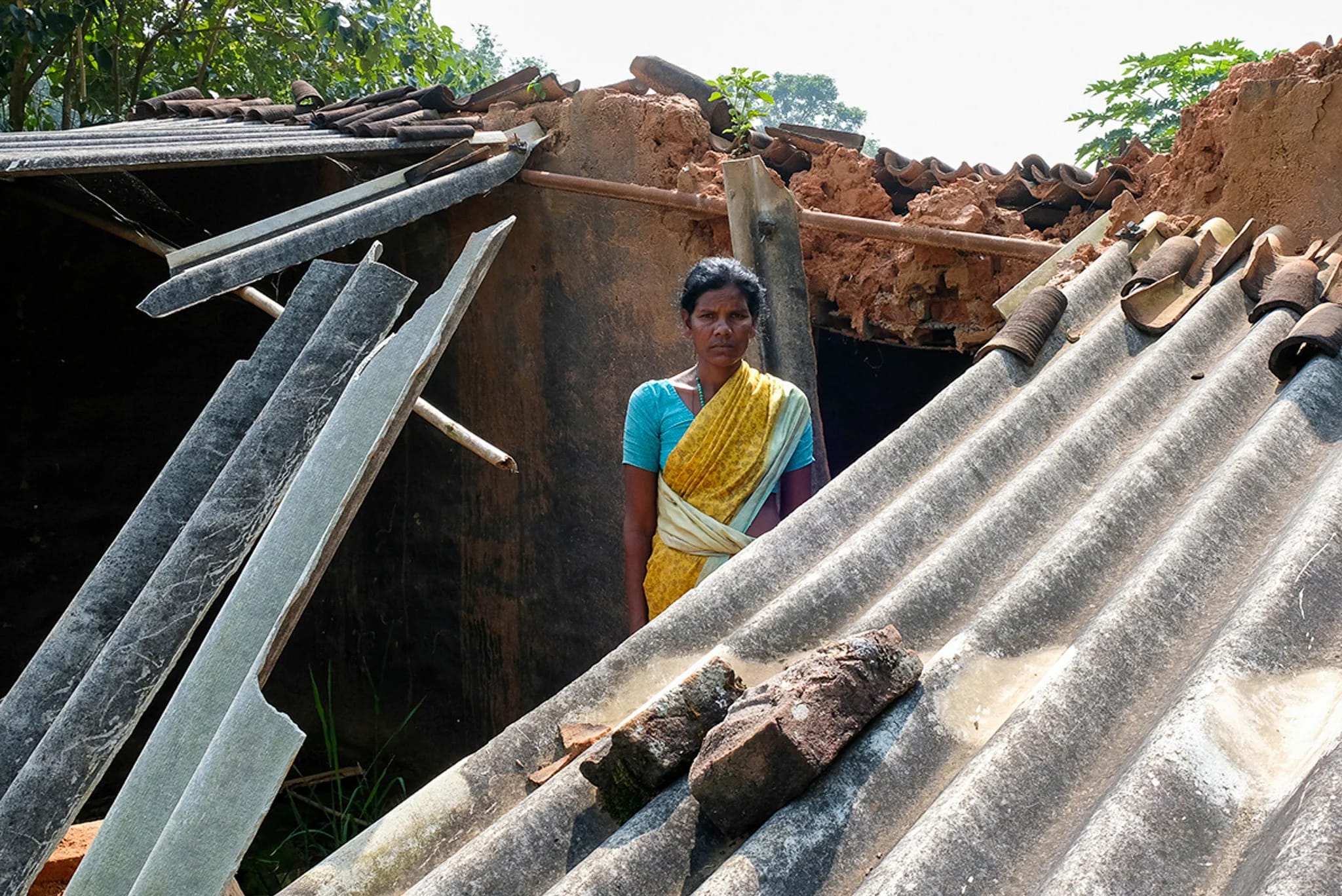
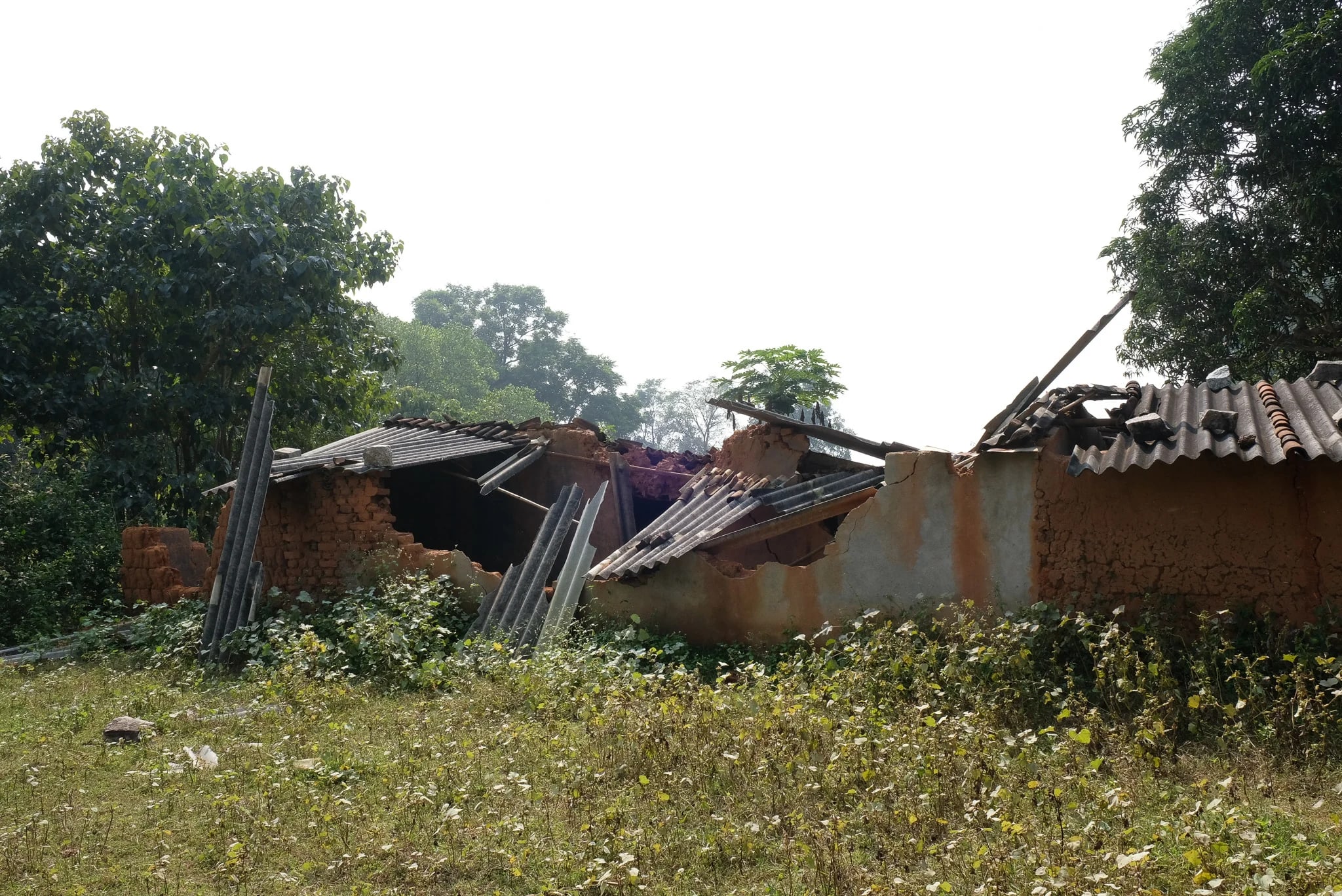
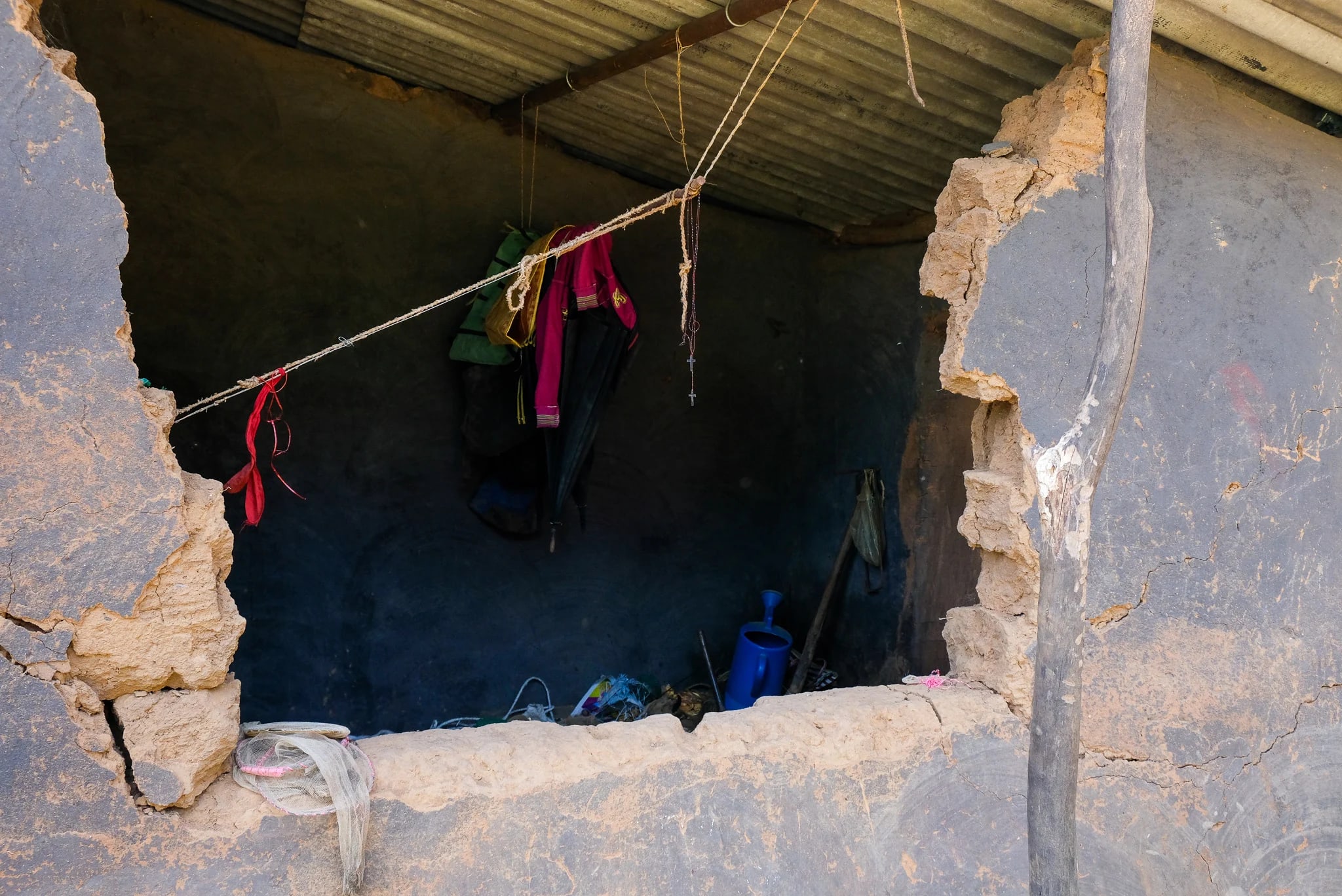
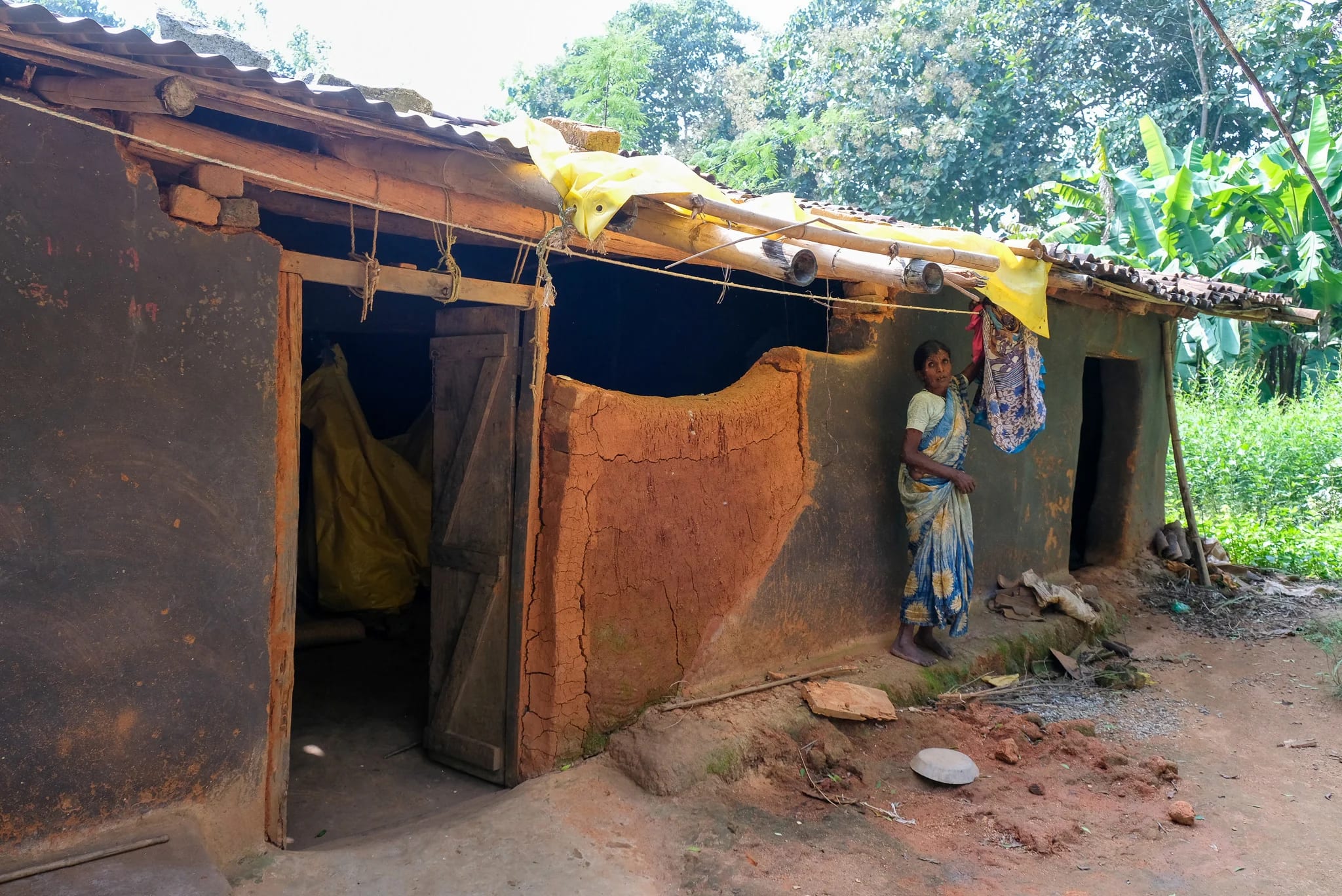
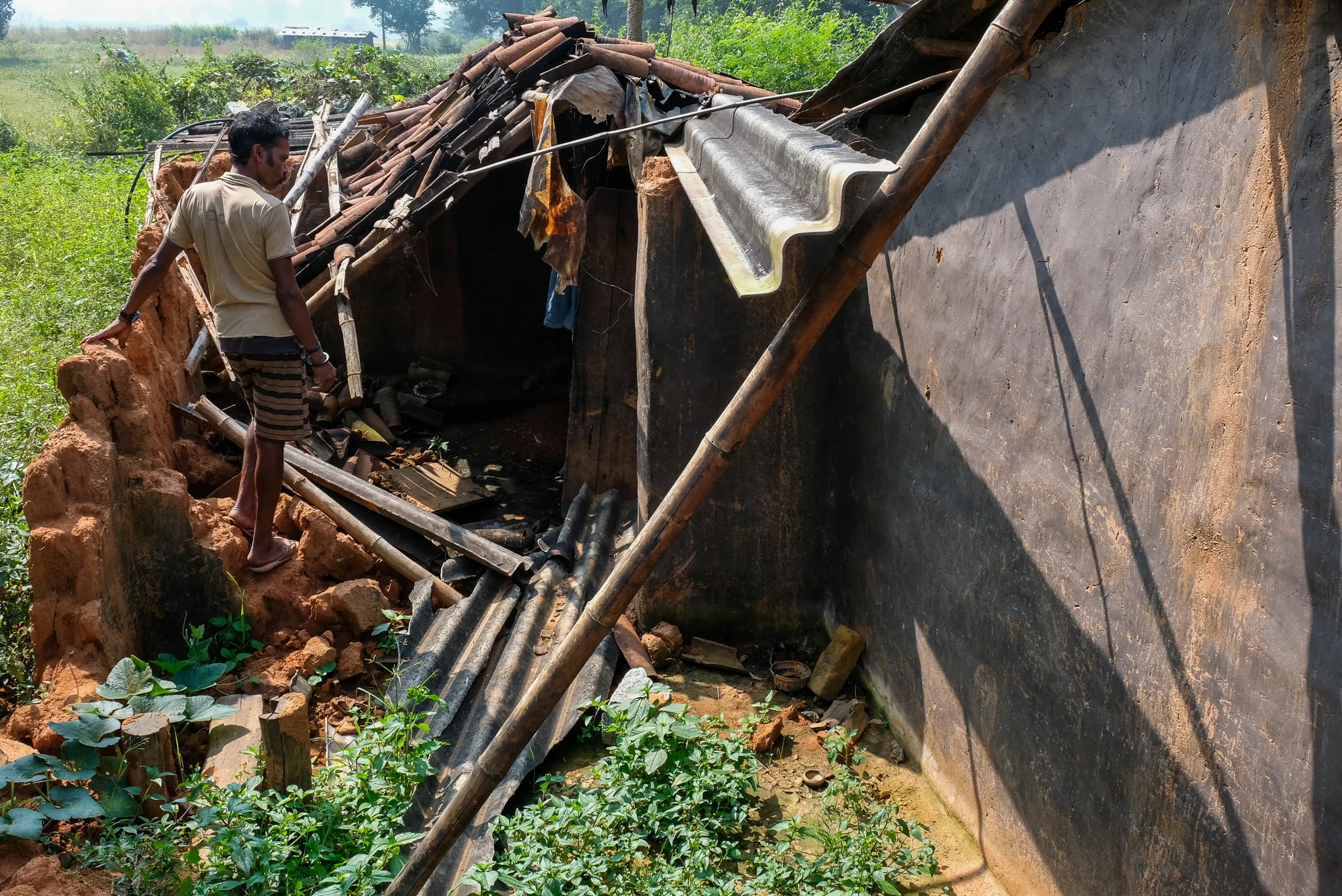
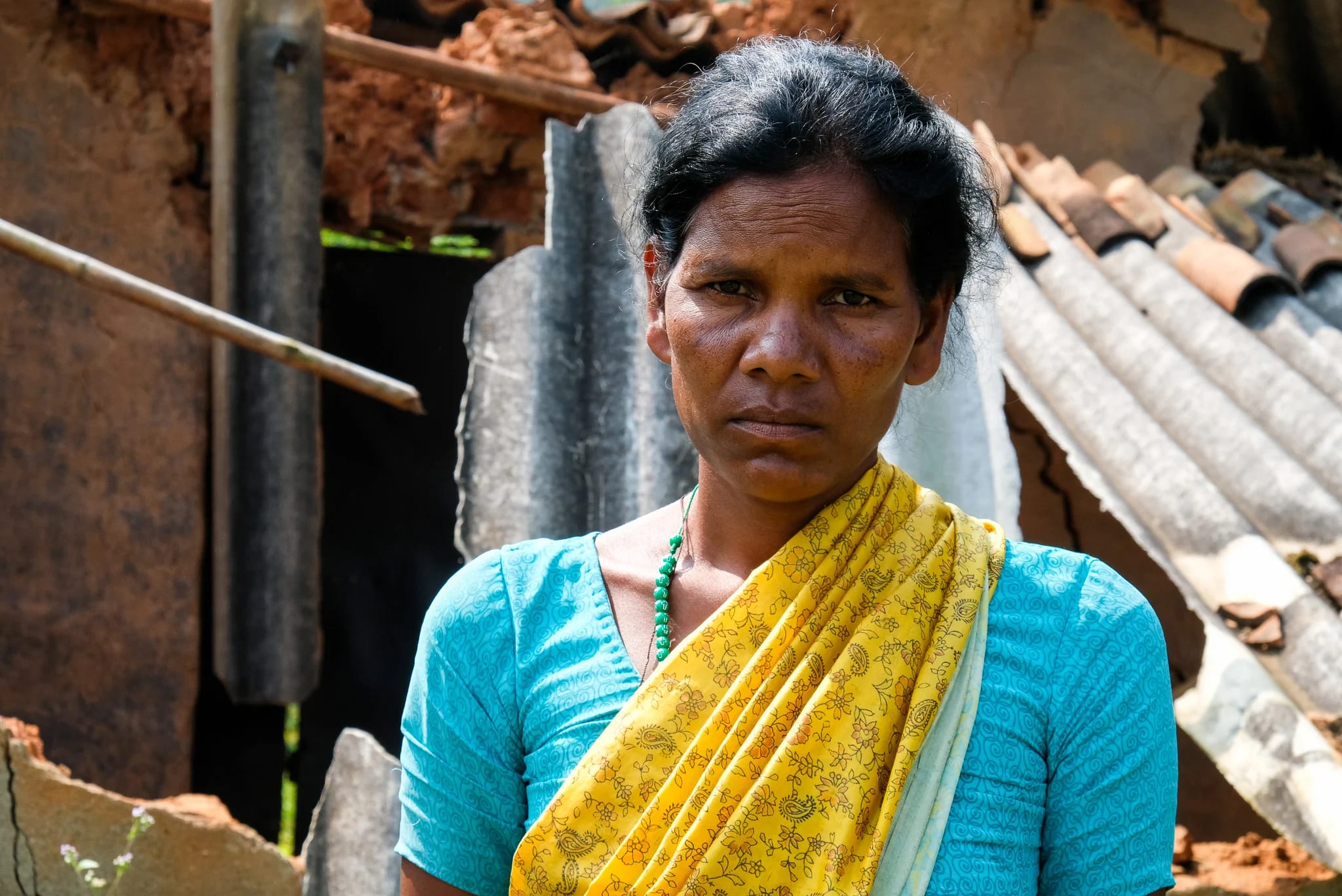
After elephants destroyed Anupa's home, she brought her case before the Gram Sabha, where villagers gathered to discuss local needs, community rights, and practical solutions through direct participation.
Everyone attended, presenting reports, photographs, and applications documenting the damage caused by the wandering elephant herd.