The Culture in a Blade of Grass
01
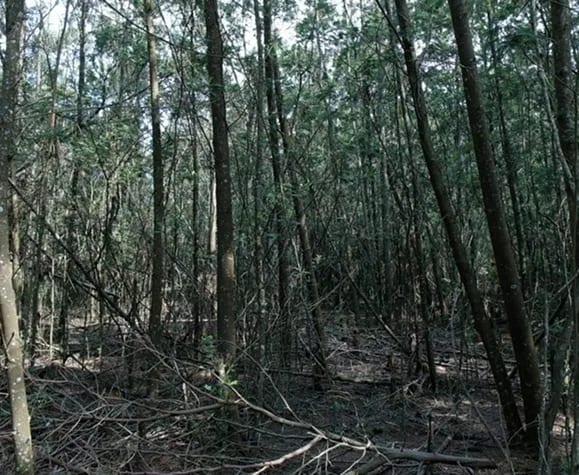
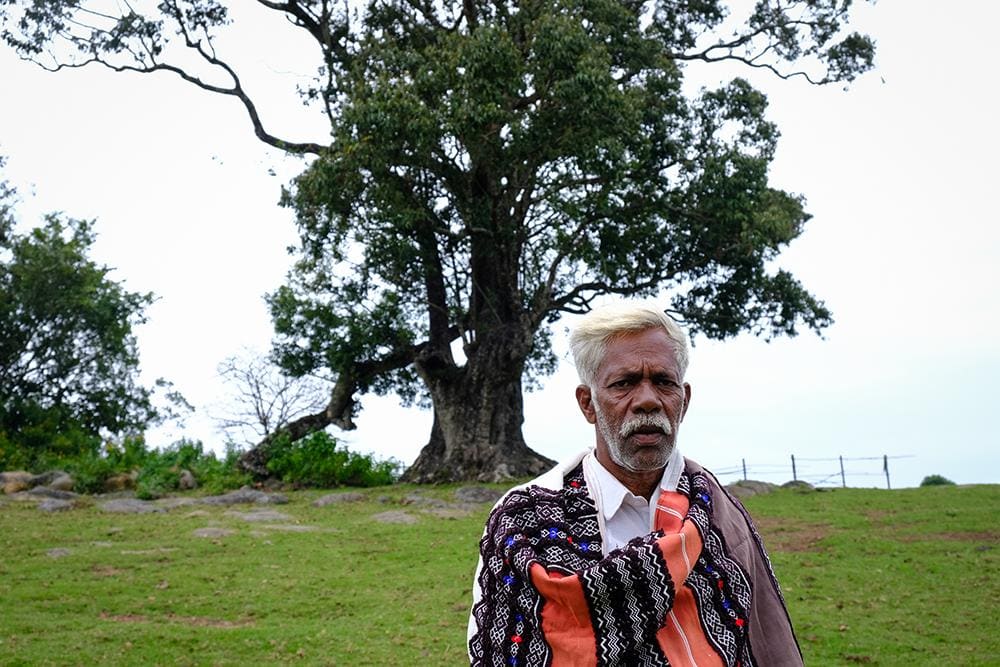
ARAADU KUTTAN LOOKS OUT OVER THE PLATEAU, AND WHAT HE SEES NOW IS DARK GREEN, DENSE, AND IMPENETRABLE.
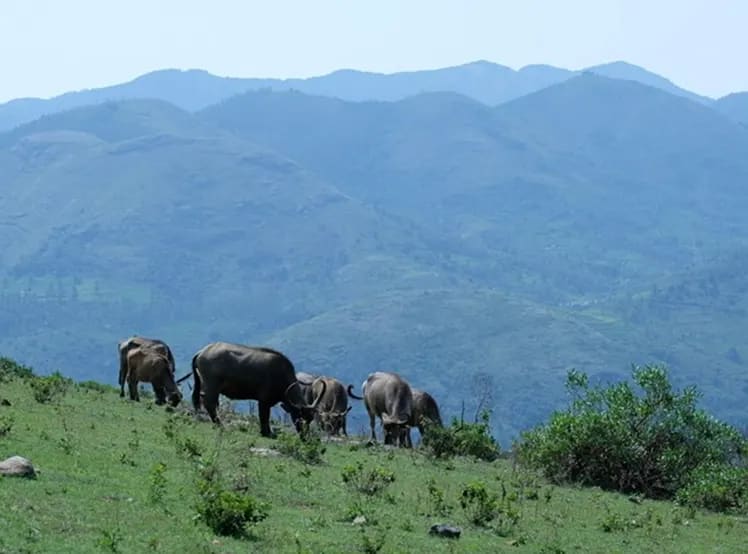
"We could see the buffaloes for four or five kilometres," he says.
"But now if they leave the house, we cannot track them."
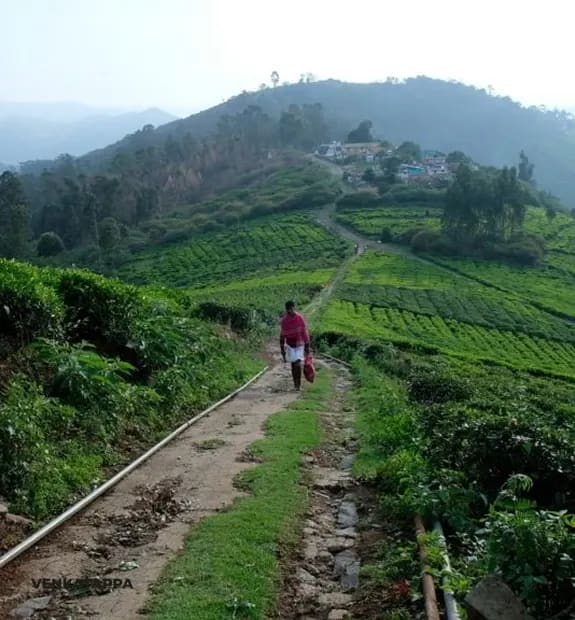
This isn't just about losing sight of animals. For the Toda people in the upper Nilgiri plateau of Tamil Nadu, the forest that has swallowed their ancestral grasslands is swallowing something else too. A way of life. A relationship with landscape that goes back millennia.
Open vistas kept that way through grazing and careful burning are now choked with eucalyptus, wattle, and undergrowth so thick a sacred water buffalo disappears metres from home.
Killdass Kuttan, another herder, says it plainly:
"If there are no buffaloes, then there are no Todas."
02
THE NILGIRIS MEANS BLUE MOUNTAINS.
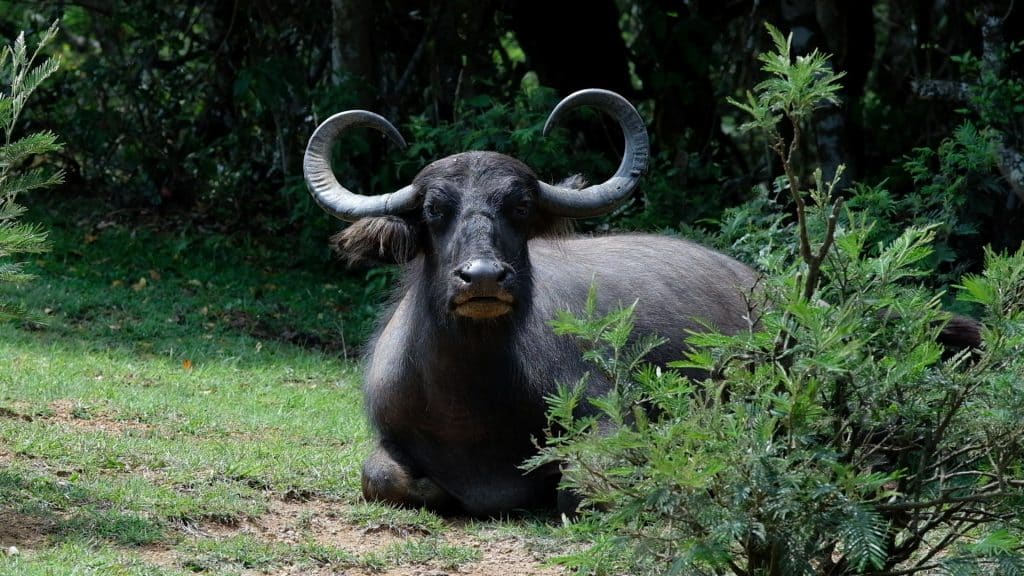
The Toda have been here longer than anyone can trace. The grasslands weren't natural; they were maintained. Pastoral life kept them open. The Toda herded broad-horned water buffaloes, divided into sacred animals for temple rites and regular ones for milk.
Killdass explains the sacred part:
"
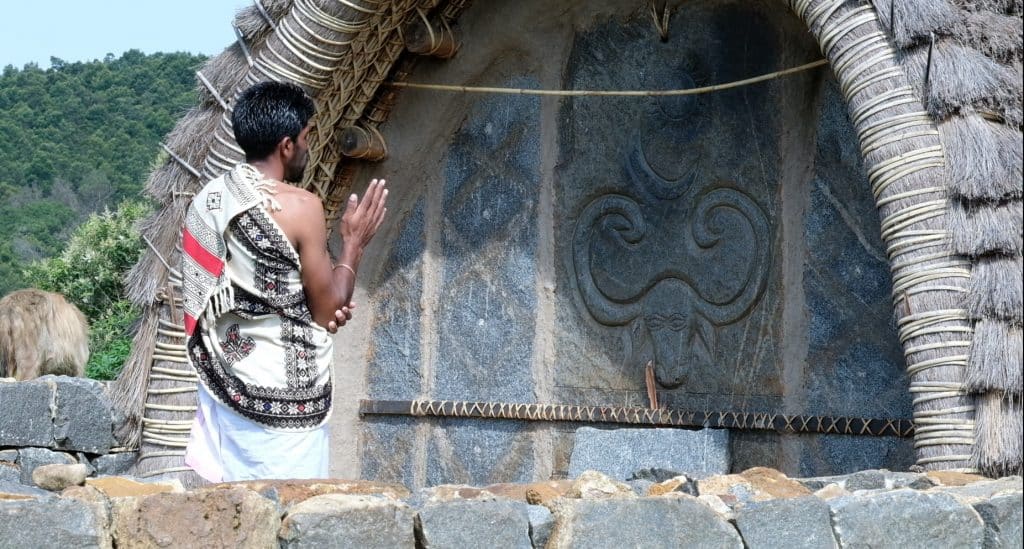
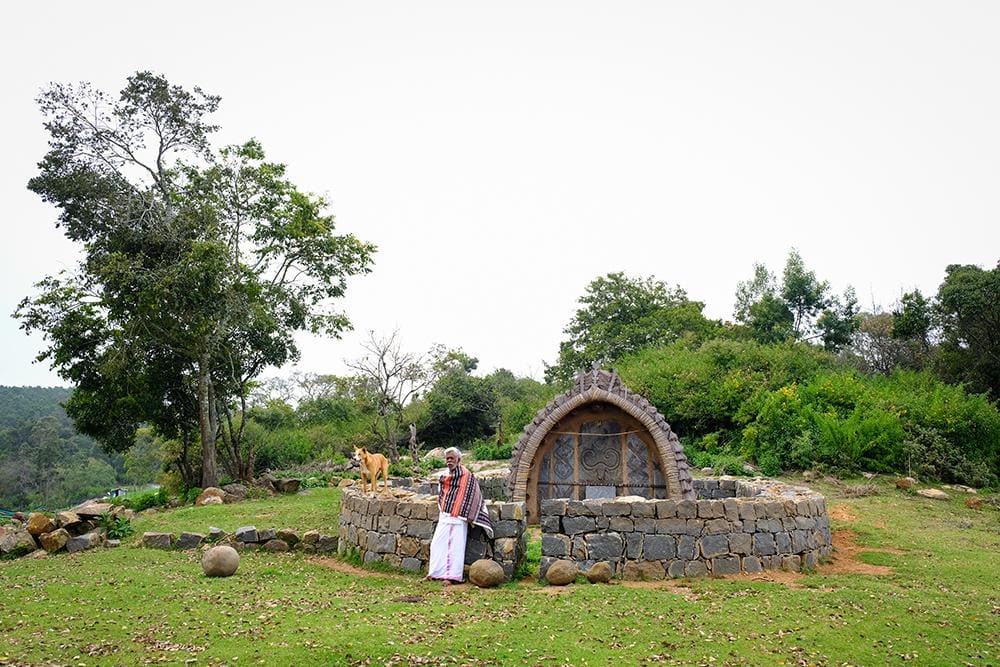
I can go to a local Shiva or a Muruga temple and offer my prayers at any time, but if we have to go to our temple, there has to be a sacred buffalo, and only then can we perform oblations.
Their economy was simple. Buffalo milk to butter, butter to ghee, ghee sold for whatever else they needed. They rarely farmed, trading with neighbouring tribes instead.
When the sacred buffalo dies, the temple closes. No ceremony without the living animal. Milk, fruits, and honey are sacred. But only a buffalo is god.
03
WHEN THE BRITISH ARRIVED,
THEY WERE FASCINATED.
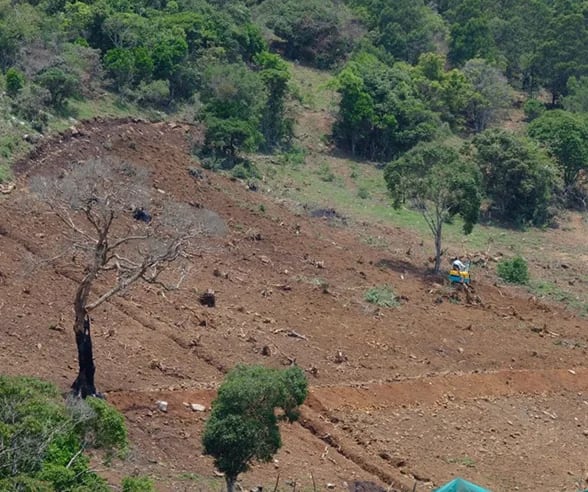
In 1882 they created patta lands for the Toda, a common land tenure managed under forest rules. Strange for India. But they also wrecked things, clearing wild jungle to plant tea from China and bringing in eucalyptus, acacia, wattle, and pine. Thirsty trees that spread wide roots and drain everything.
McLaughlin, the last British collector, thought the Downs was the most beautiful landscape in the world. Subramaniam, a South Indian Chief Conservator of Forests, saw wasted potential. Land that could produce timber and employment for a poor young country.
Still, they protected parts of it. Wenlock Downs in the northwest, 20,000 acres set aside for recreation and pasturage, maintained like a national park. This was England transplanted. Rolling grasslands that reminded them of home.
After independence in 1947, protection became vulnerability. What the British preserved was now criticised as elitist. The nation needed revenue, jobs, and development.
Utility won. Wattle plantations spread. Scotch broom and lantana followed. The Toda had 2,498 grassy acres of patta land, only 1,319 in the Downs. Now even those are fragmenting.
04
THE TODA DESCRIBE THEIR
SURROUNDINGS NOW AS DARK, WOODY, THORNY, AND PREDATORY.
Each word is exact.
"Earlier, there were natural forests and grasslands," Araadu says,
"but now it is eucalyptus, wattle and lantana. The upper hillsides, which were all grasslands, are now filled with wattle."
Dark because where hamlets once flashed mirrors to communicate across visible distances, everything is now kagar, their word for darkness.
"Earlier you would know what is in an area in a single glance," one herder says.
"Now if you go looking for your buffaloes, you have to first find one, get it to one place, then go looking for the others. You really do not know what's happening in there."
Predatory because tigers and leopards prowl the thickets now. The tiger population has actually declined, but attacks feel worse. In open grassland, carnivores were visible. You knew where they were. Now they're hidden, striking without warning.
05
KILLDASS KUTTAN HAD 46 BUFFALOES AND 24
CALVES IN 2013. BY 2015,
SIX.
He doesn't focus on the money.
"I don't care about a salary or money as long as I have the buffaloes in my house. Land is permanent property, something that can be passed to my future generations, but buffaloes are temporary. For the Todas, milk, fruits and honey are sacred. Only a buffalo is god."
While the world celebrated Save the Tiger: the Toda dealt with displaced predators and conservation policies that protected carnivores but not pastoral communities.
Schoolchildren stay out past dusk now, husbands too, grazing animals, everyone wondering what's hidden in the shadows.
06
ENVIRONMENTAL SOCIOLOGIST SIDDHARTHA KRISHNAN HAS LISTENED TO THE TODA FOR YEARS.
He warns against easy fixes.
"To what time in the past do we want the landscape to be restored? 1950? 1900? 1800? We don't know."
Any restoration has to deal with reality. Invasive species you can't just pull out. Sublease farmers are working Toda soil now. Forest officials with their own agendas. In a country where every free acre gets fought over, a cleared plateau would attract industrial plans immediately.
What's needed is conversation. The Toda are leading, but not alone. Ecologists, forest officials, and local residents are all involved. No romanticising one perfect past. Balance between ecological needs and cultural ones.
Young Toda wants to return to pastoral life. Elders are cautious, having learnt farming over twenty years, knowing change doesn't reverse easily. But both feel something slipping away.
07
THIS IS ABOUT VISIBILITY LOST.
A world transformed not through conquest but through vegetation changes, distant policy decisions, and conservation with unintended costs.
It's also about culture when it's bound to landscape this tightly. Toda temples need sacred buffaloes present. Their songs describe open vistas. Their practices evolved with a specific place. When that place transforms, what happens to what it held?
The Toda are still here. Still tending the remaining buffaloes. Still lighting temples when a sacred animal allows it. Still looking over a landscape they barely recognise, remembering when they could see for kilometres.
Culture is in the blade of grass, in the temple rite, and in the herder's voice. In the Nilgiris, something precious persists in the thickets and undergrowth. Whether it survives, whether restoration works, whether future generations know the grasslands their ancestors kept: all open questions.
The stakes go deeper than policy or ecology. They touch what we preserve and why, whose knowledge counts, and which ways of living we make room for while the landscape keeps changing.