
When the Gods Go Job Hunting
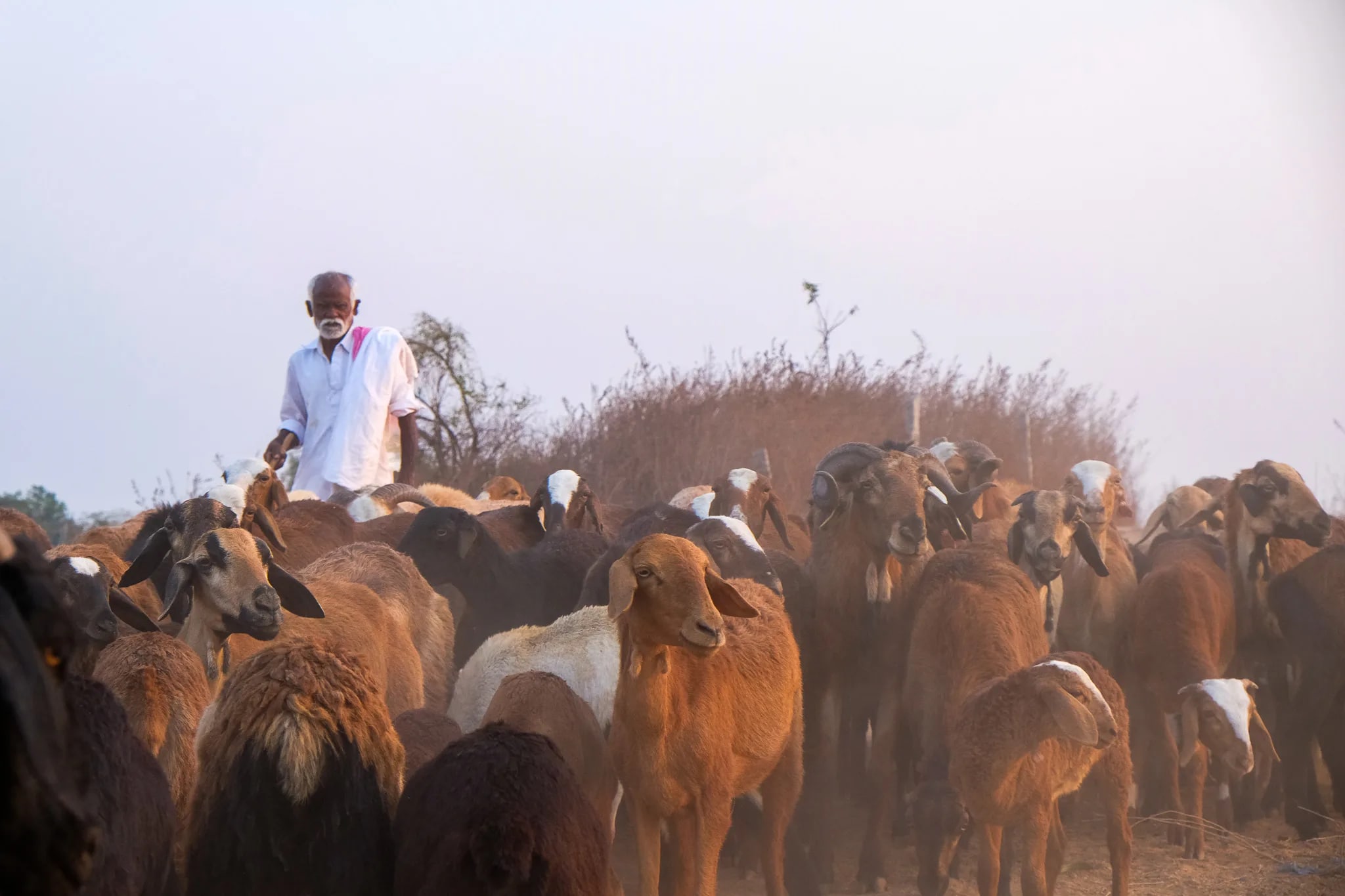
Five days and nights of story and memory with the Kuruma shepherds of Telangana.
Growing up in the 1980s, you couldn’t miss Employment News. It was a thin, cheap weekly sold at bus stands and corner stalls, its columns packed with small print: government clerk posts, UPSC calls, NDA applications. You bought a copy, typed up your bio data, as resumes were called then, and took it to the regional employment exchange. If you were lucky you stood in a line that curled around the block, dropped your paper in a box, and waited weeks for a call letter that mostly never came.
It was a ritual of waiting, a way of fitting yourself into an economy that did not have enough room.
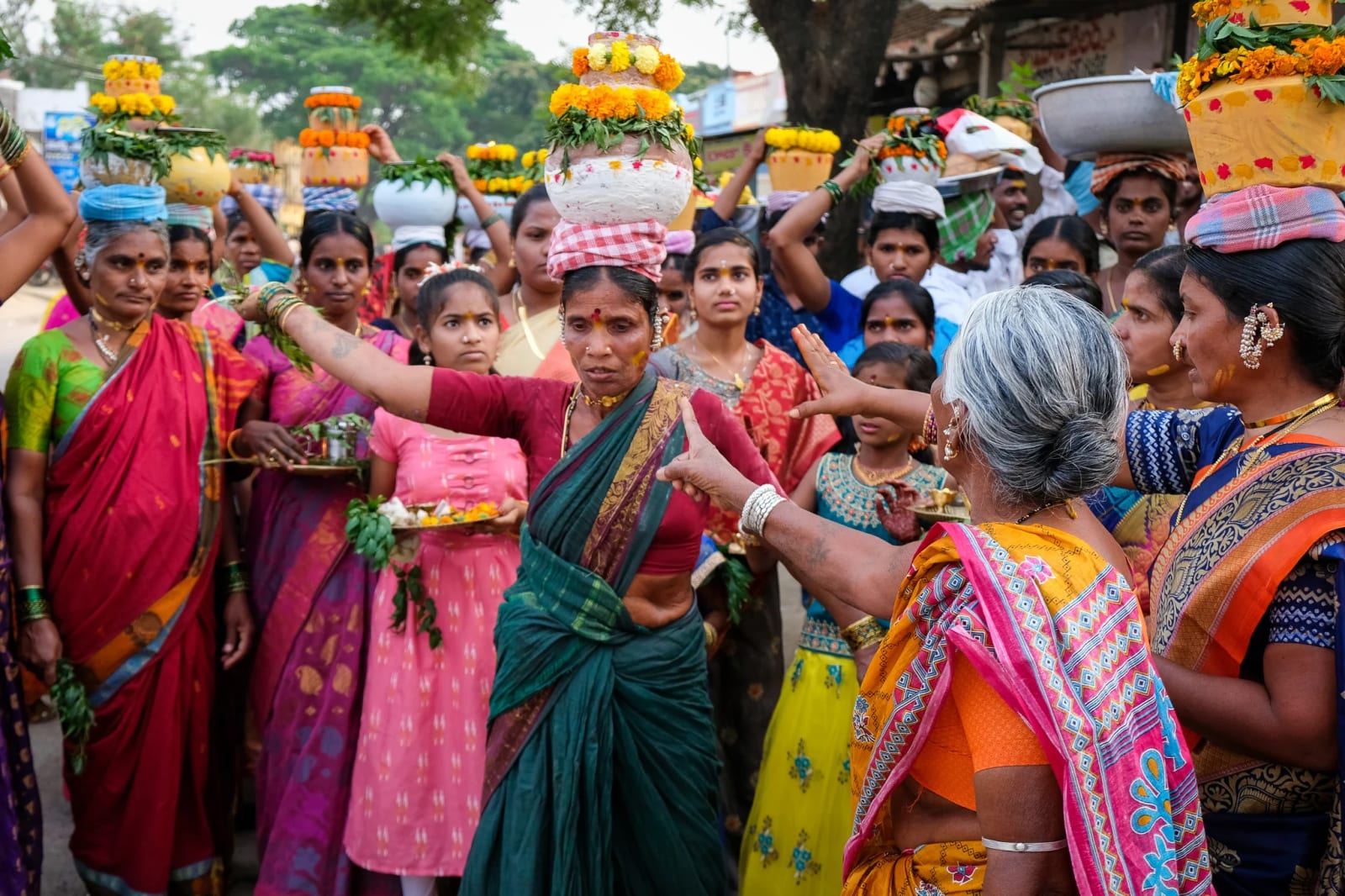
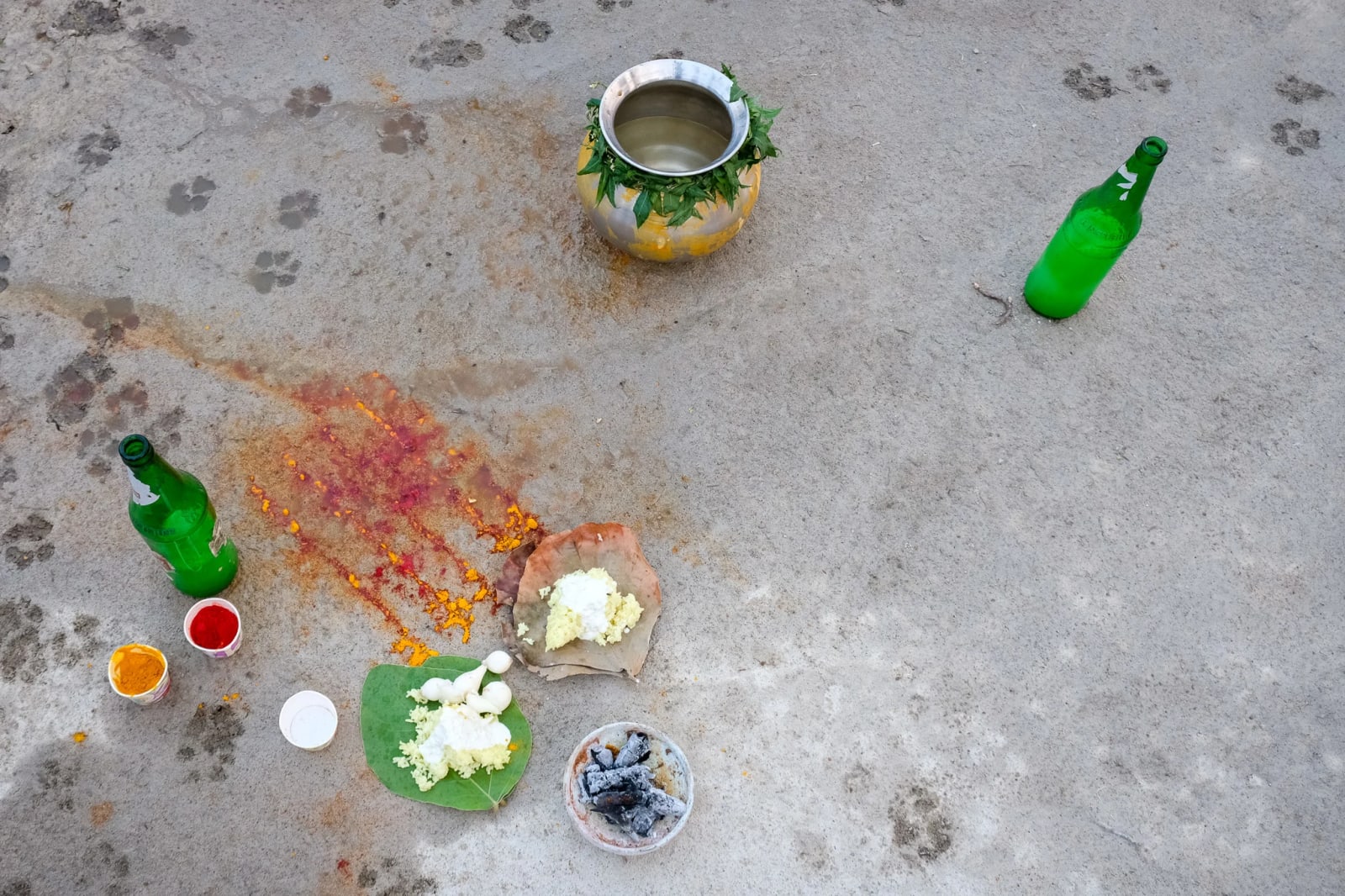
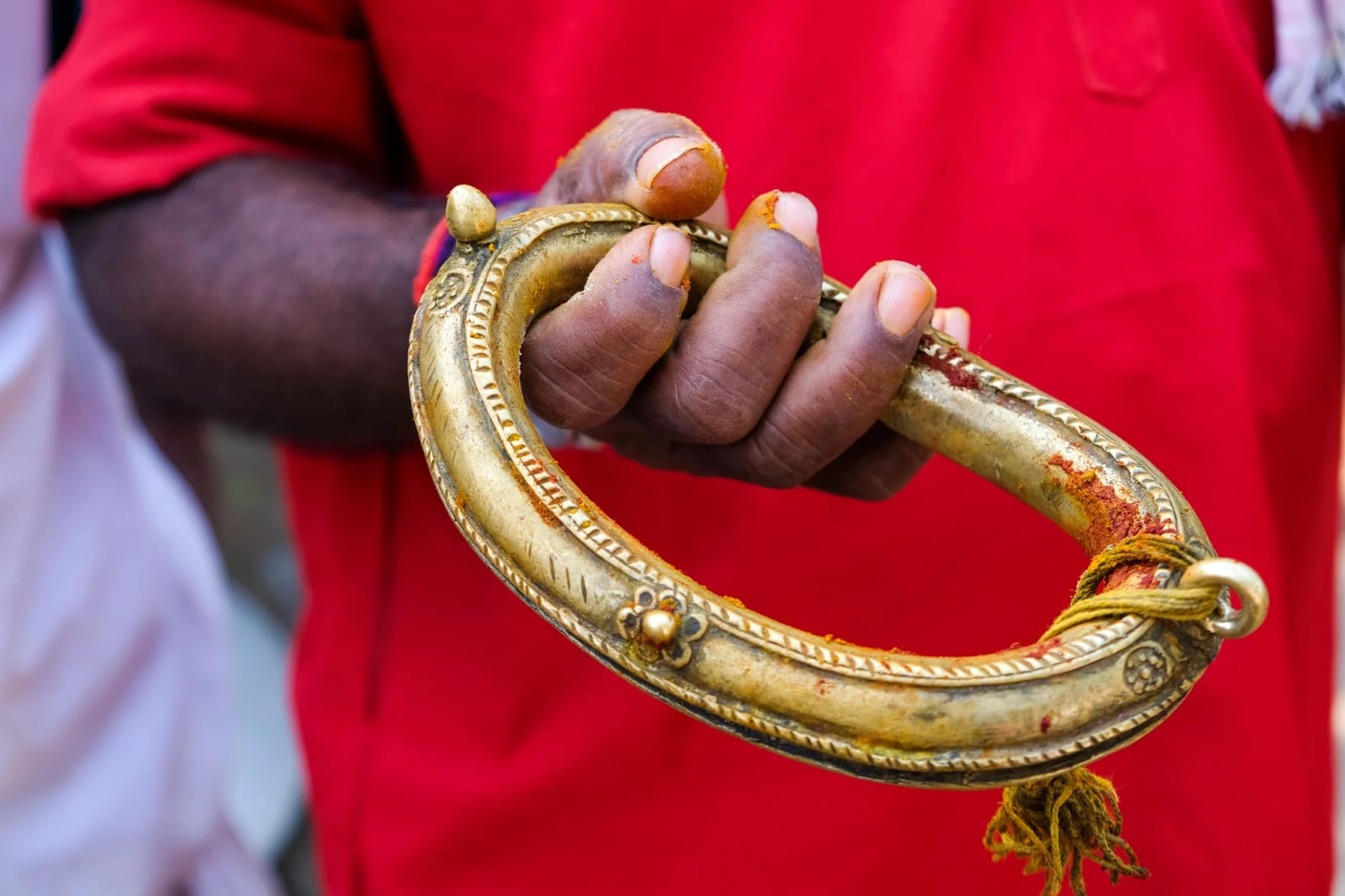
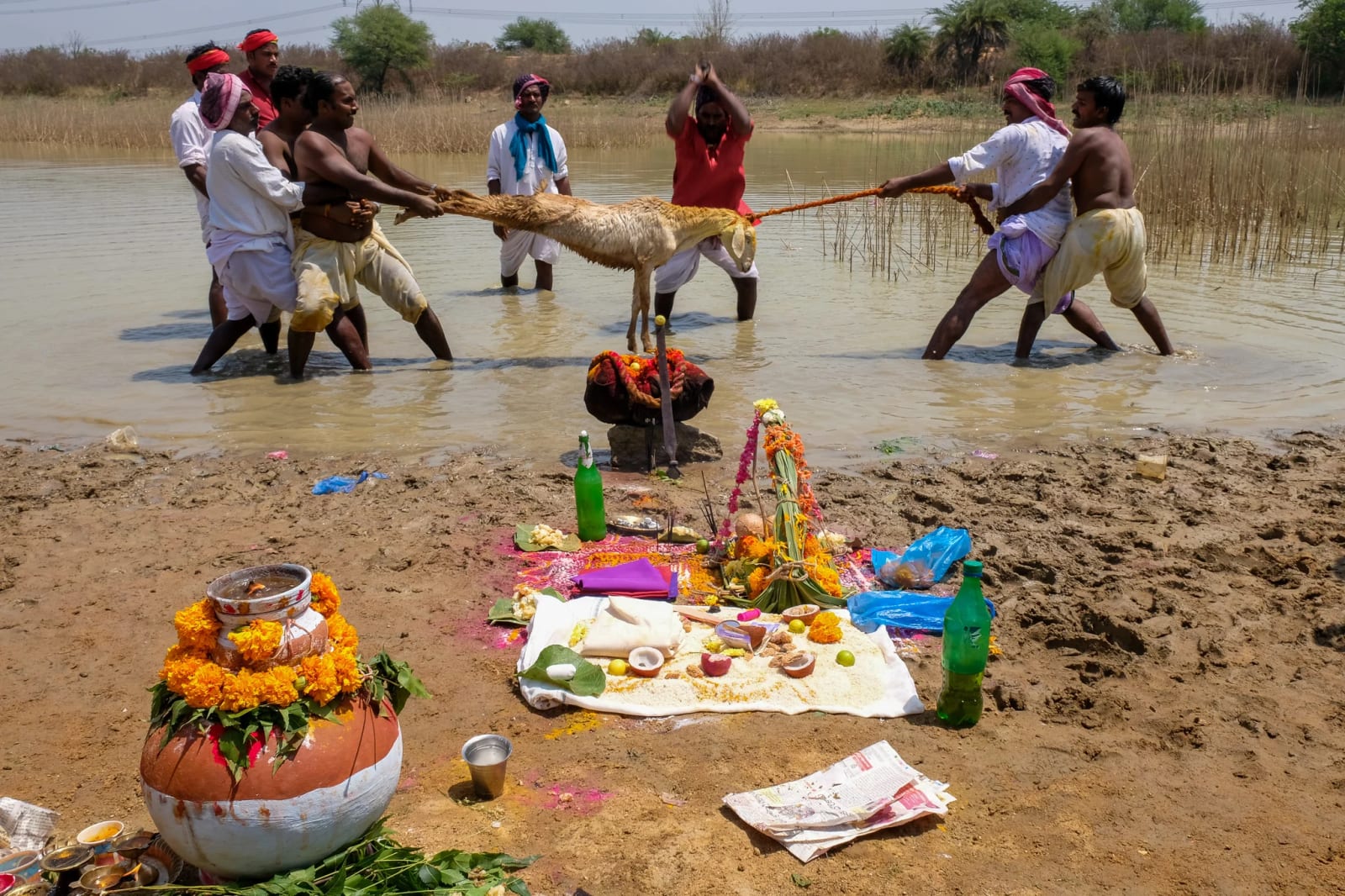
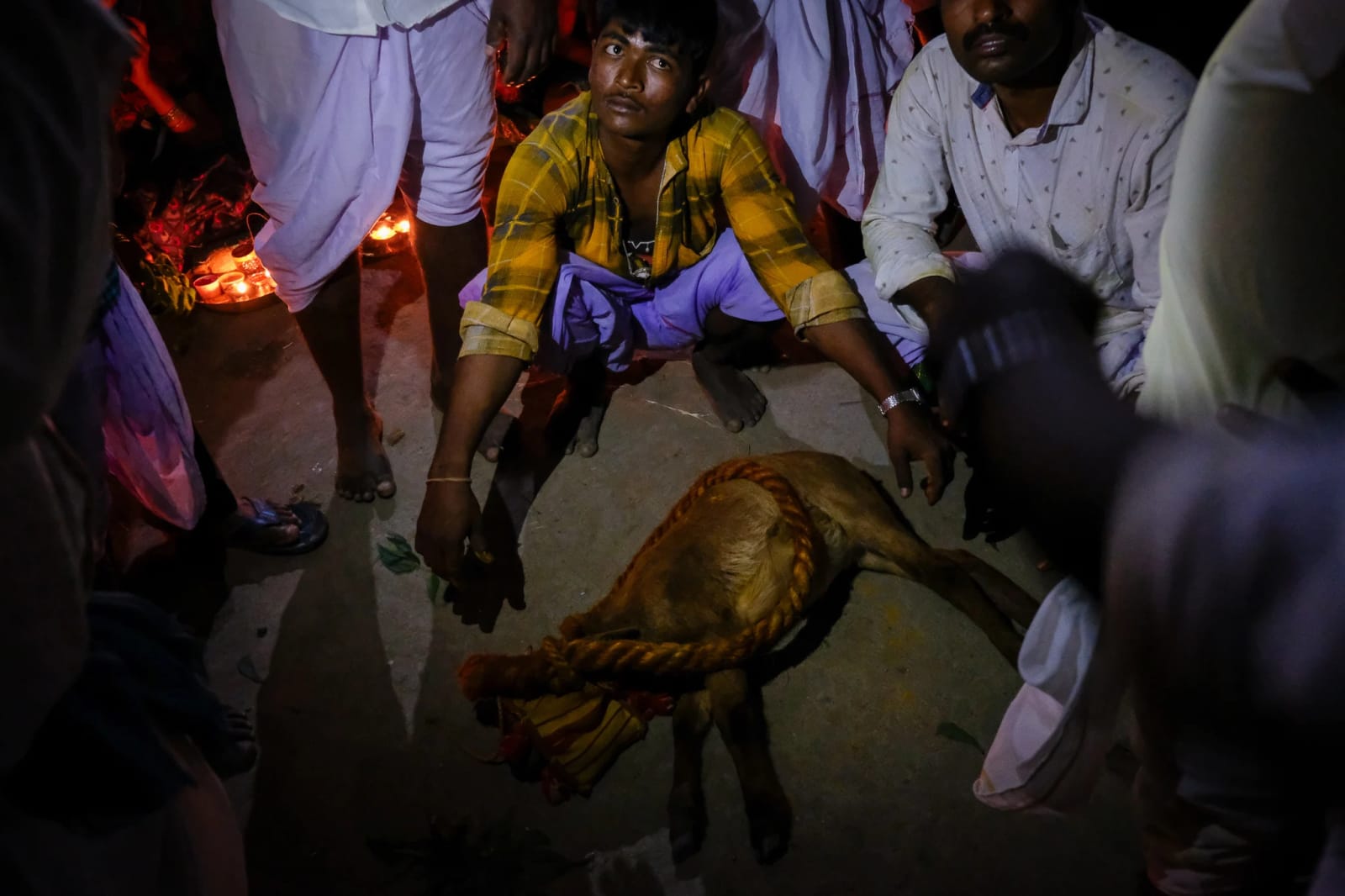
In the early heat of 2021, I found myself in Gargul village, in Telangana’s Kamareddy district, for a Beerappa jatre. Five days and five nights of story, blood and memory, performed by the Kuruma shepherding community.
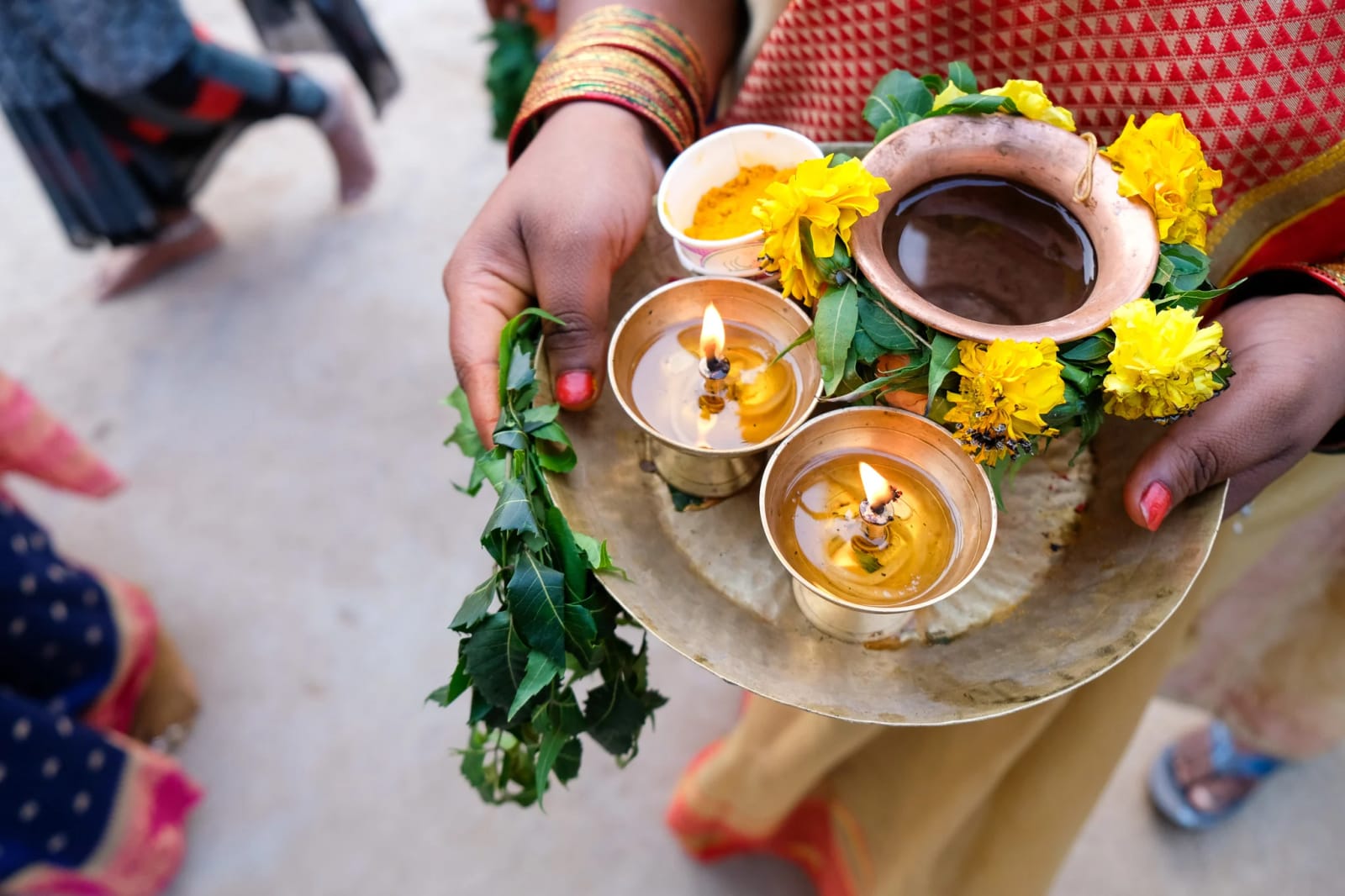
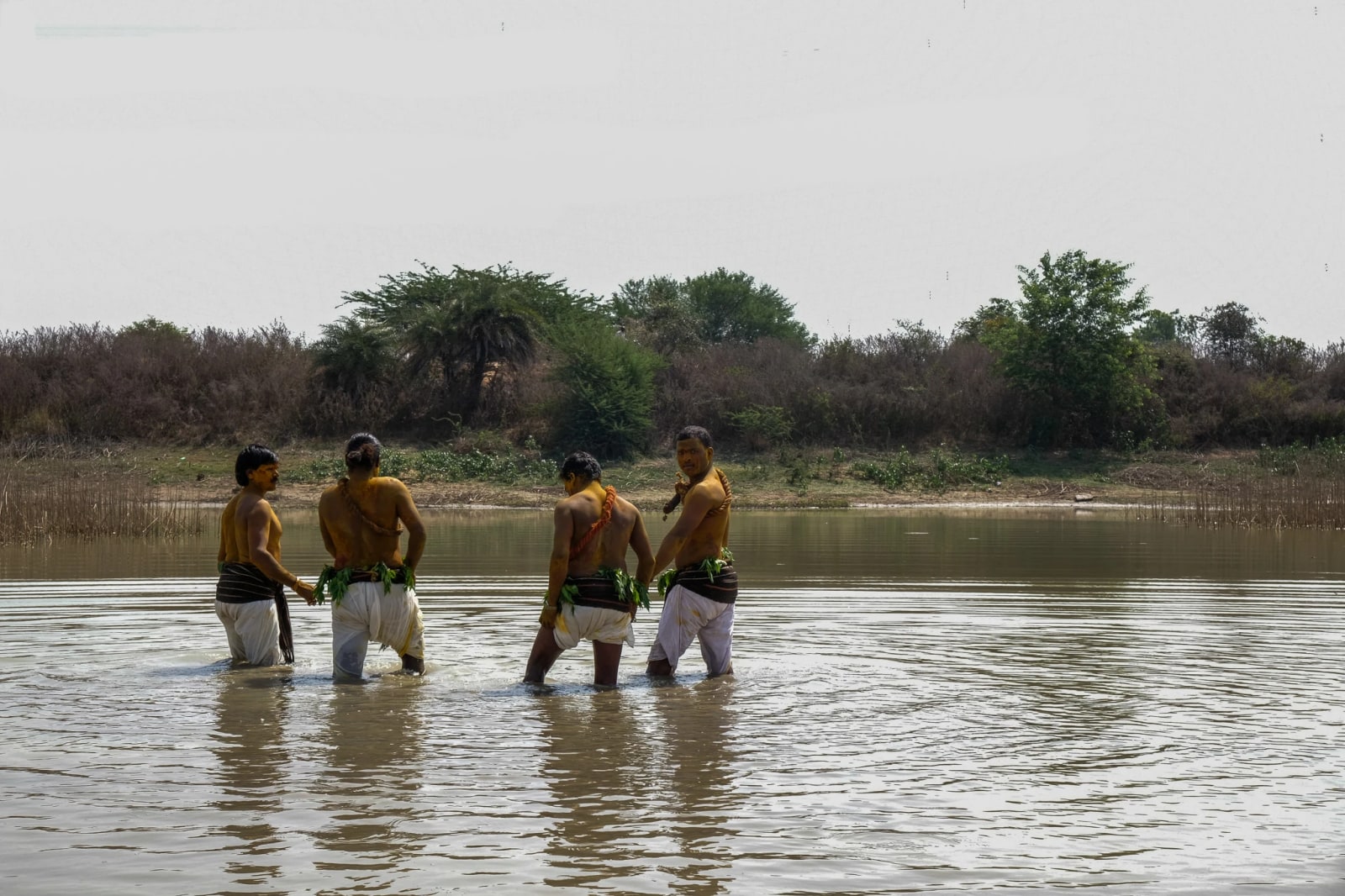
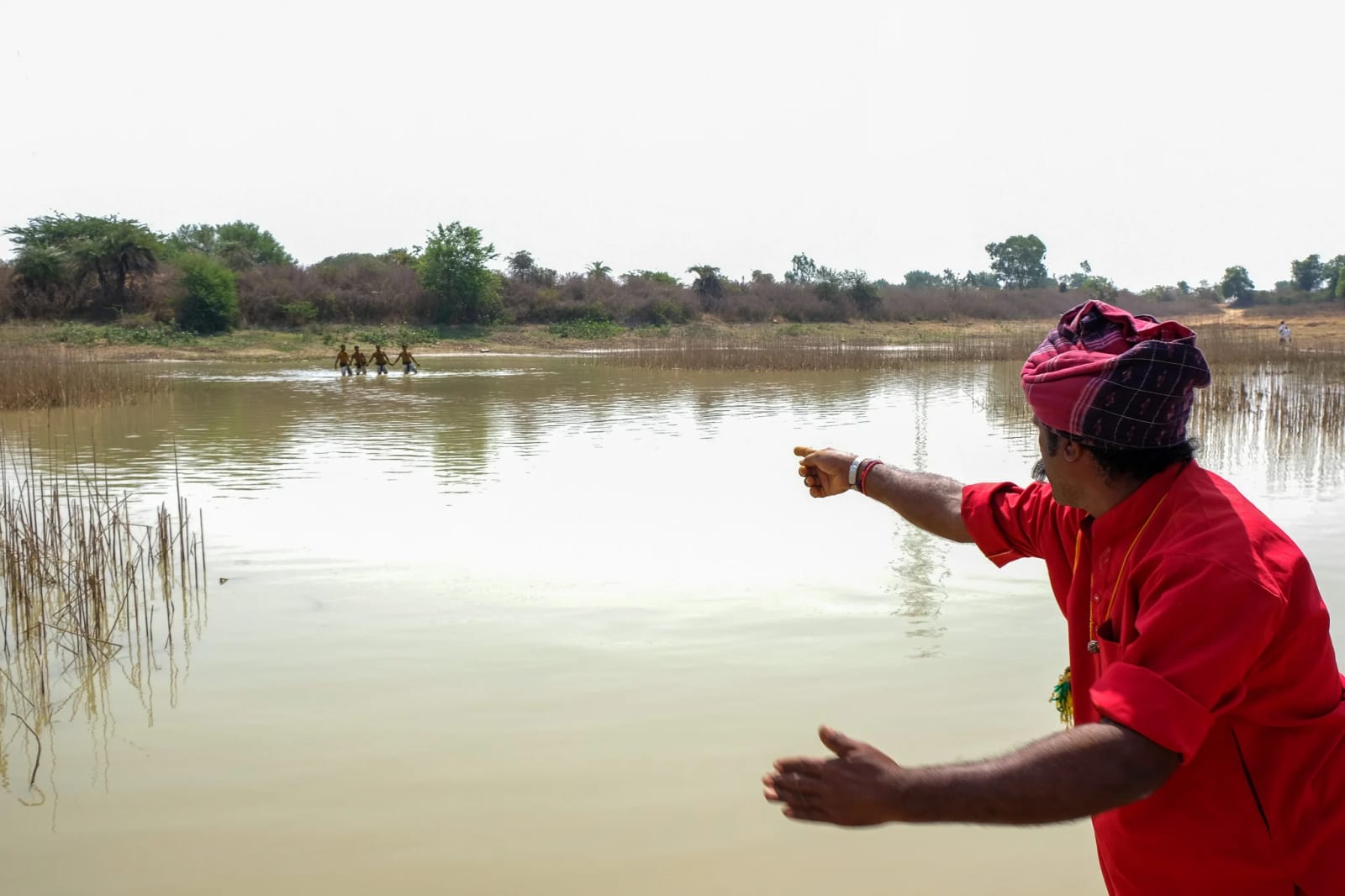
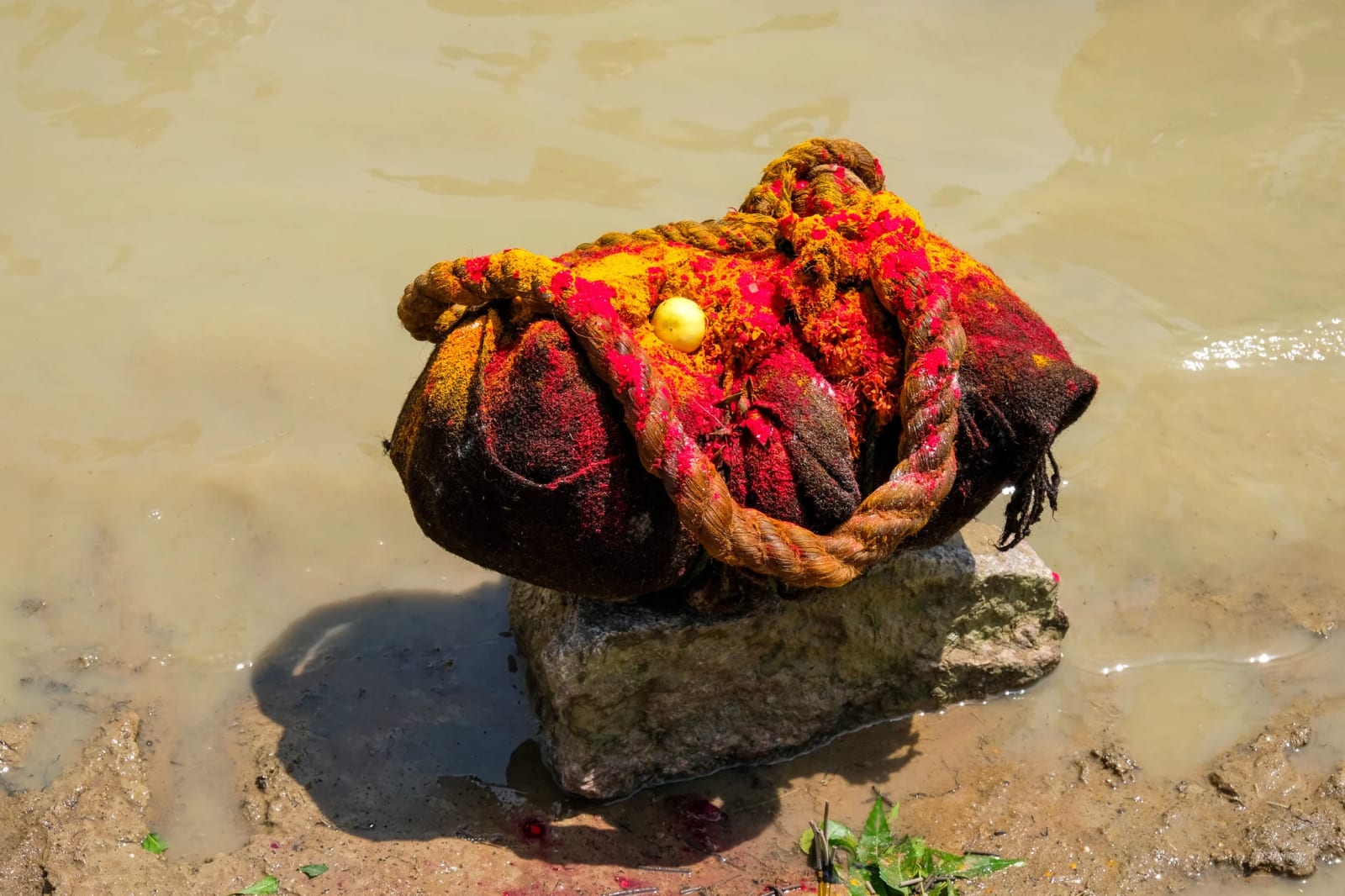
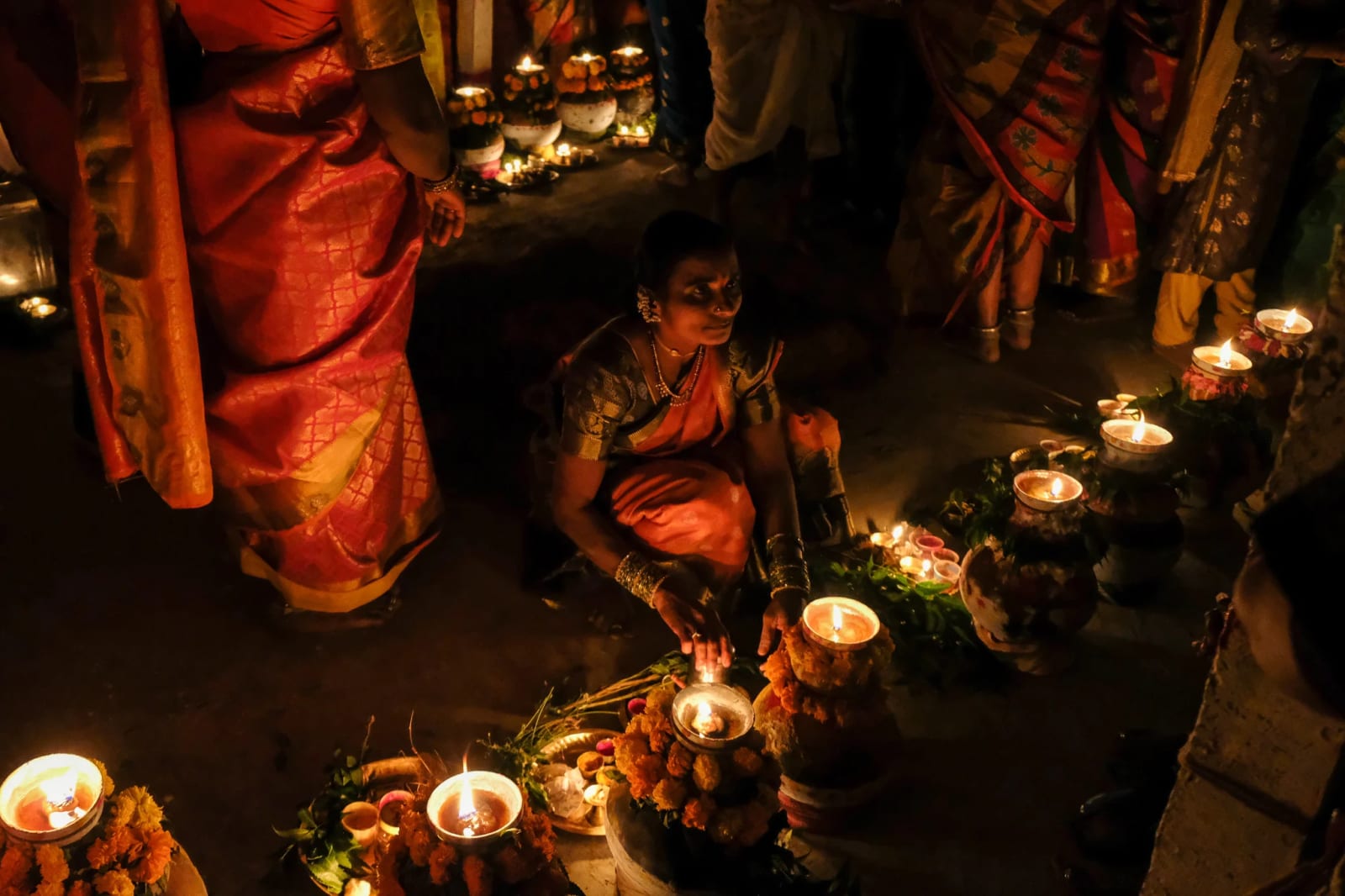
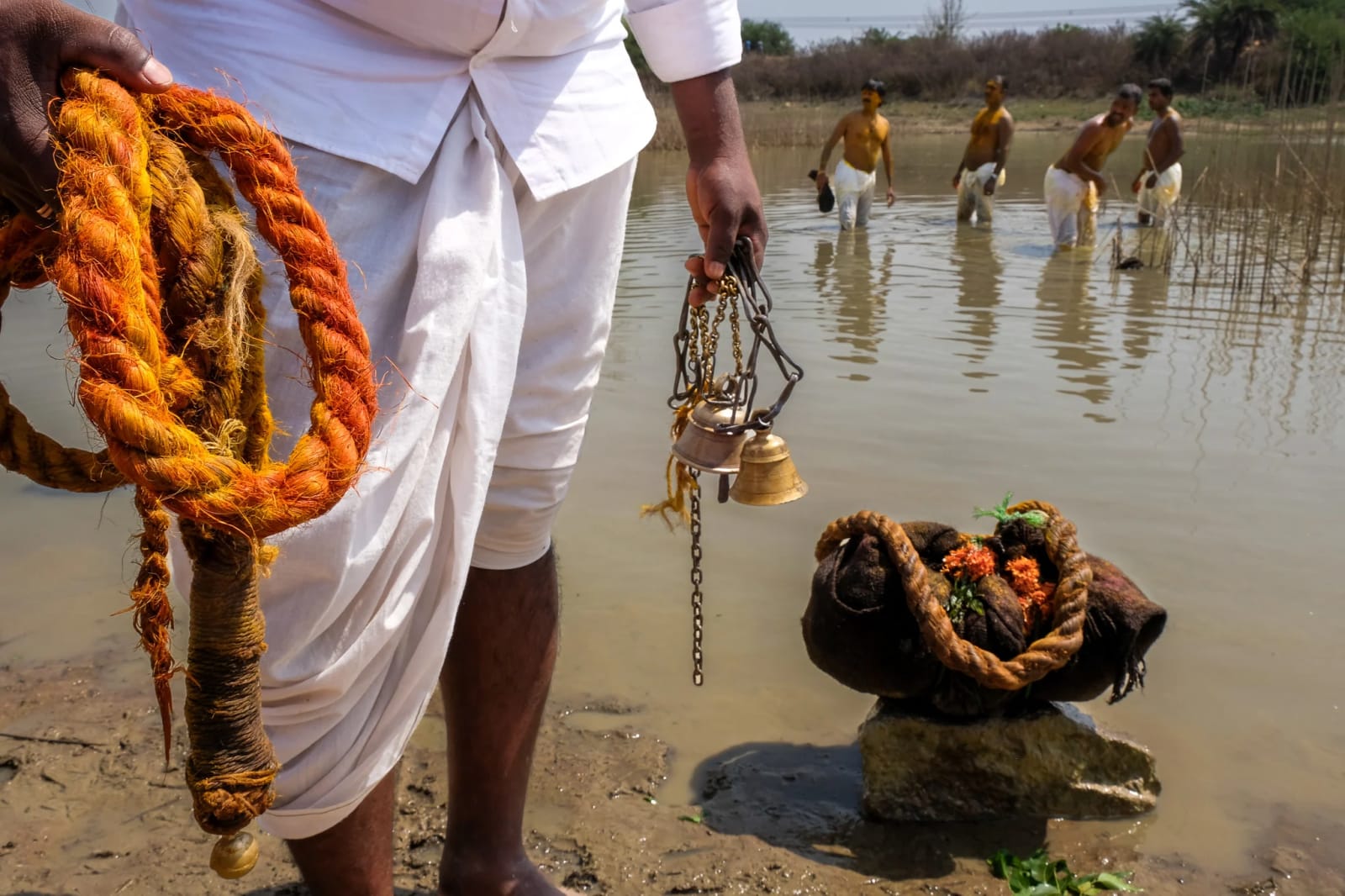
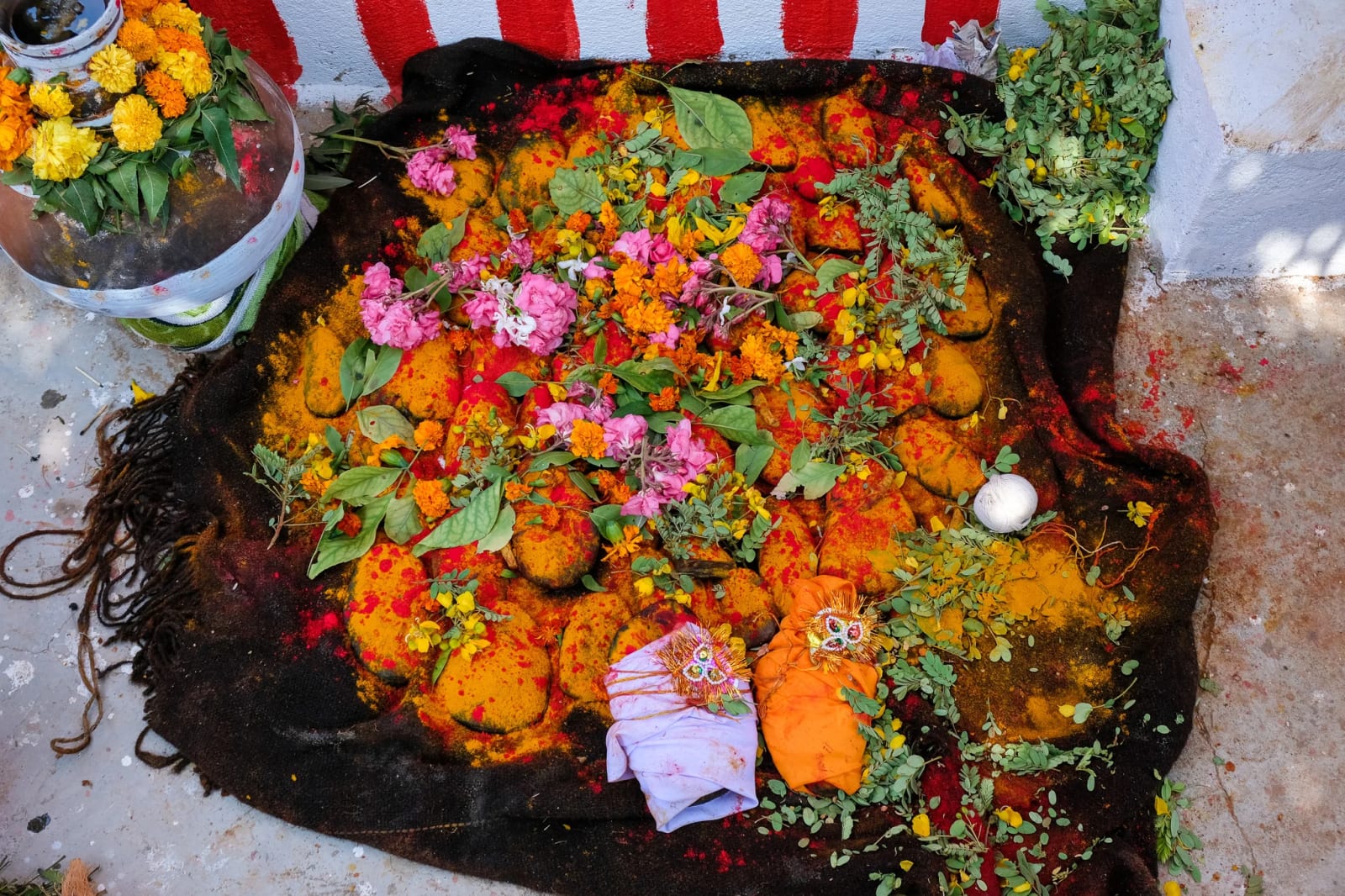
The air smelled of raw turmeric, damp sheep wool and charcoal smoke. At 10:30 in the morning, four men covered in yellow paste waded into the village lake. For nearly an hour they dived blind, feeling along the bed for eighteen Linga stones wrapped in a gongudi, the coarse black wool blanket every Kuruma shepherd carries. On the bank, women stood motionless with lit earthen lamps balanced on their heads.
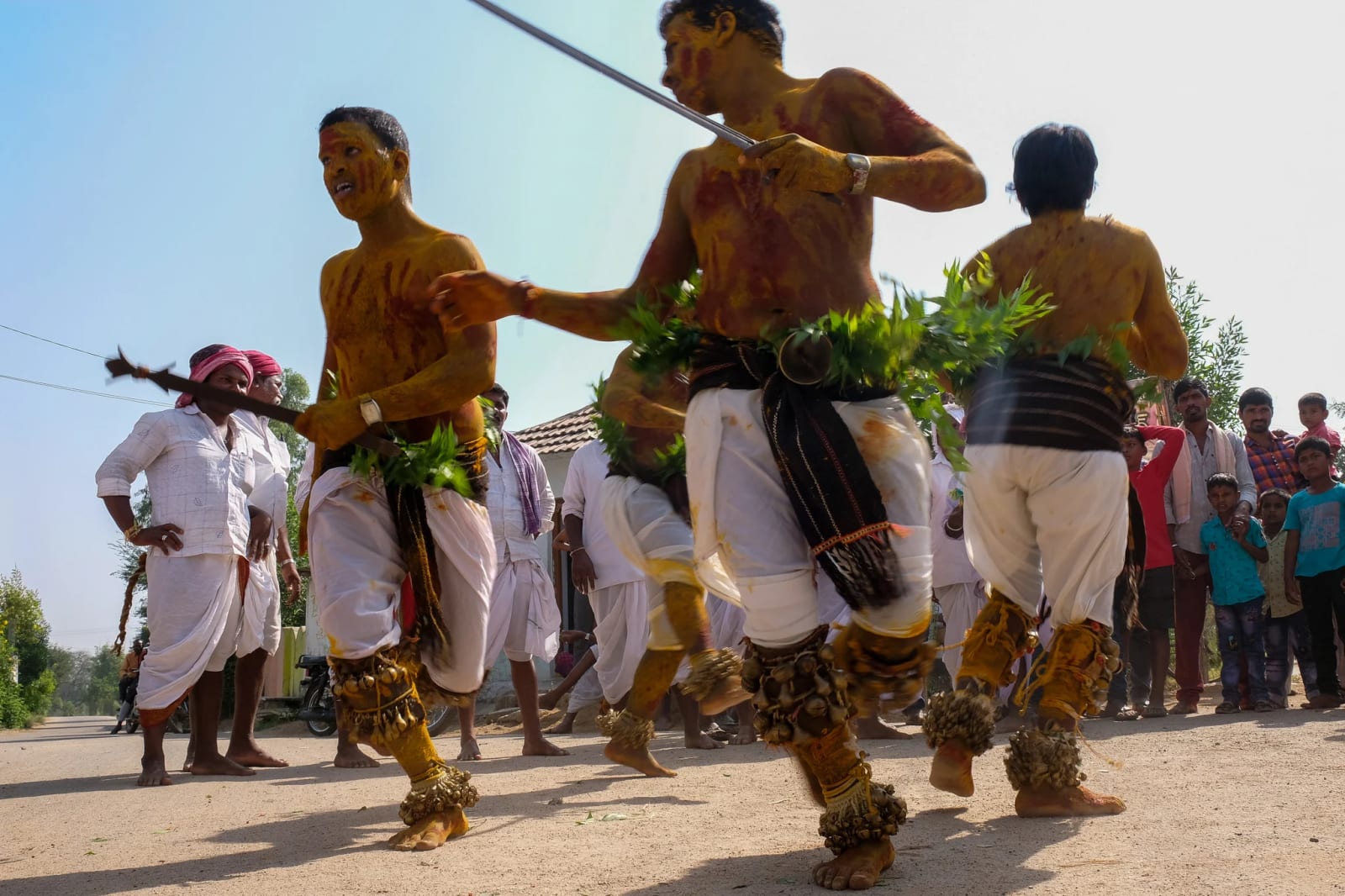
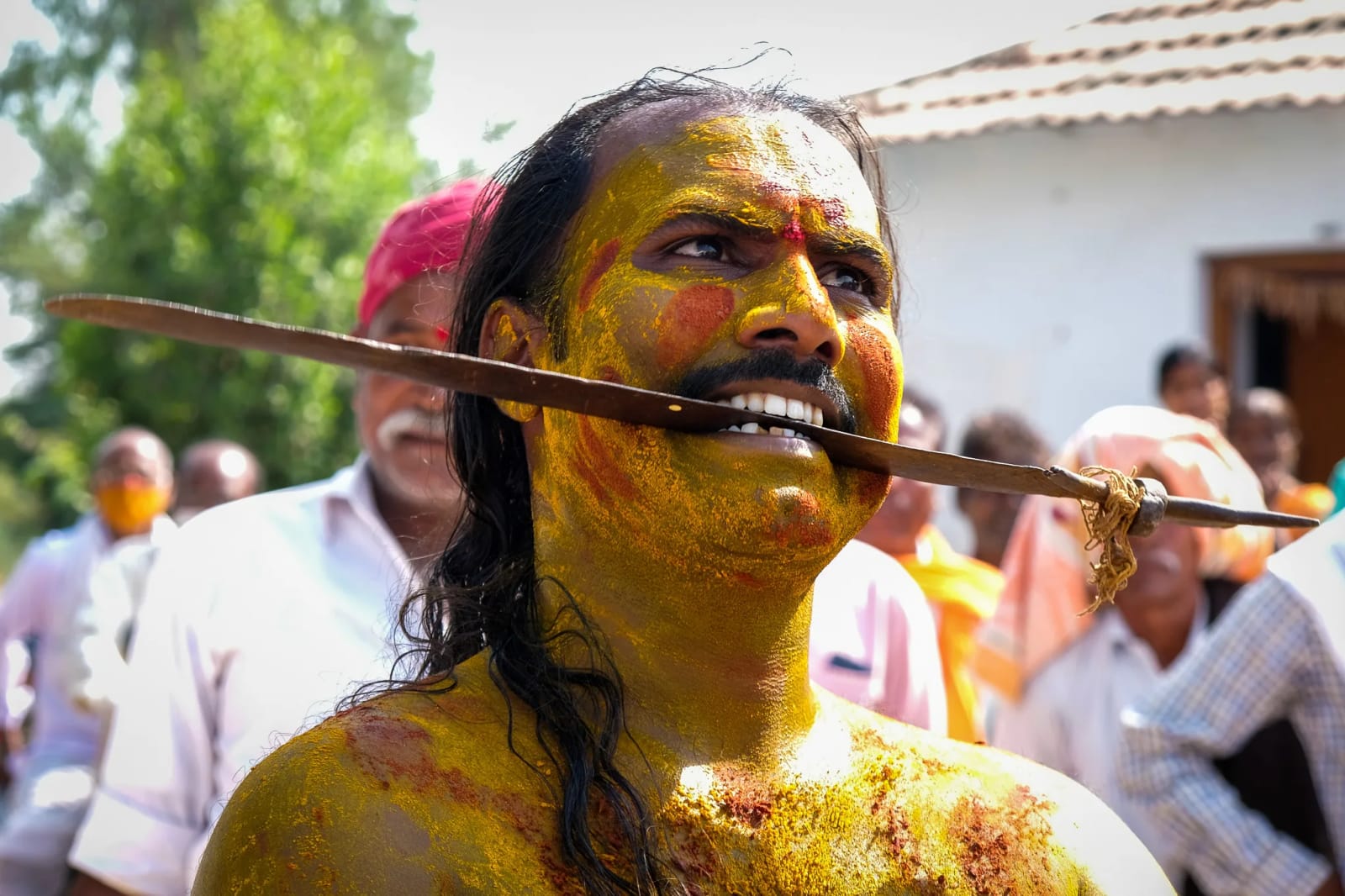
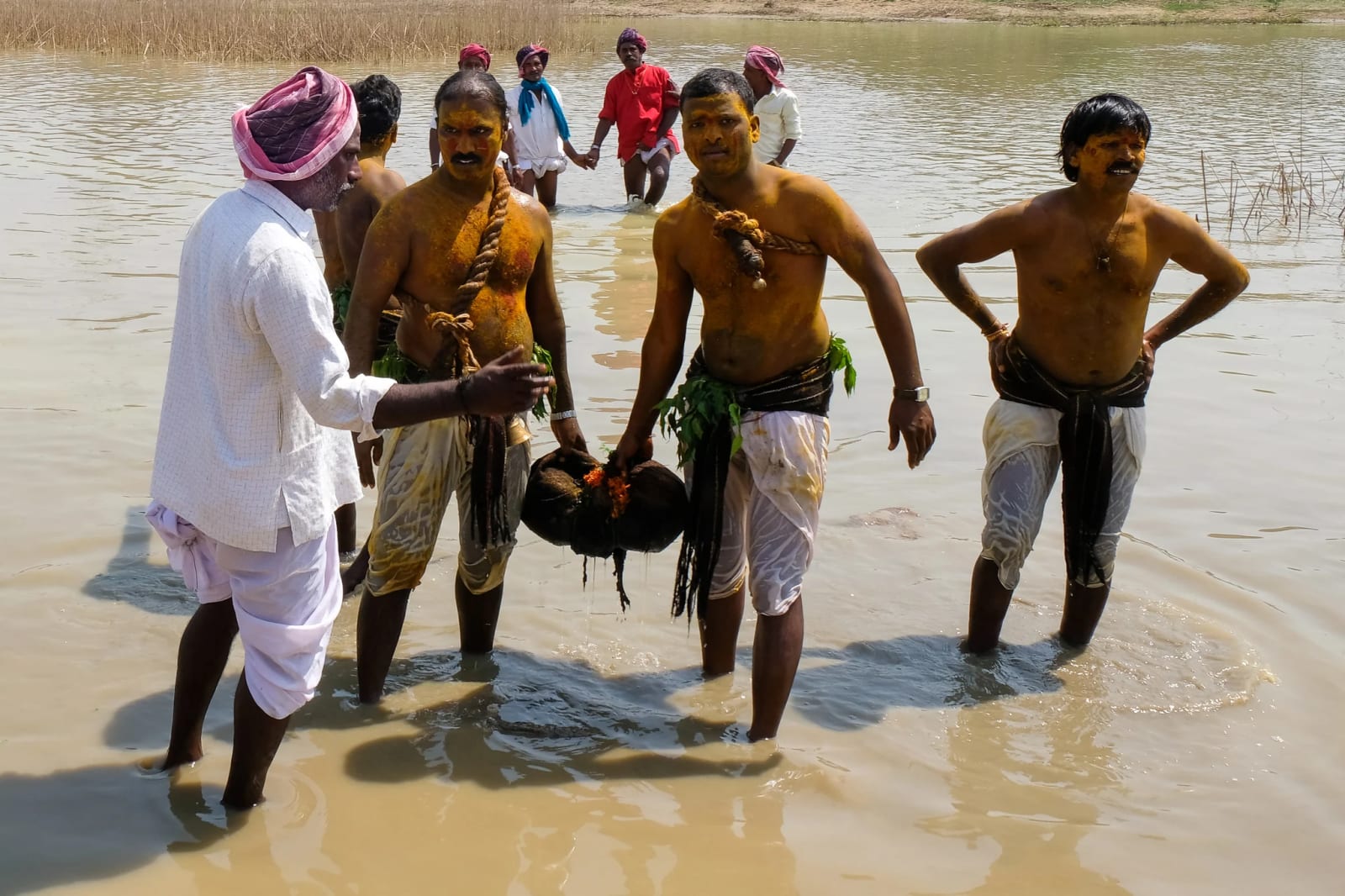
Nobody helped the men in the water. They searched by touch until the bundle was hauled out and dripped onto the bank, and only then could the Oggu Katha begin.
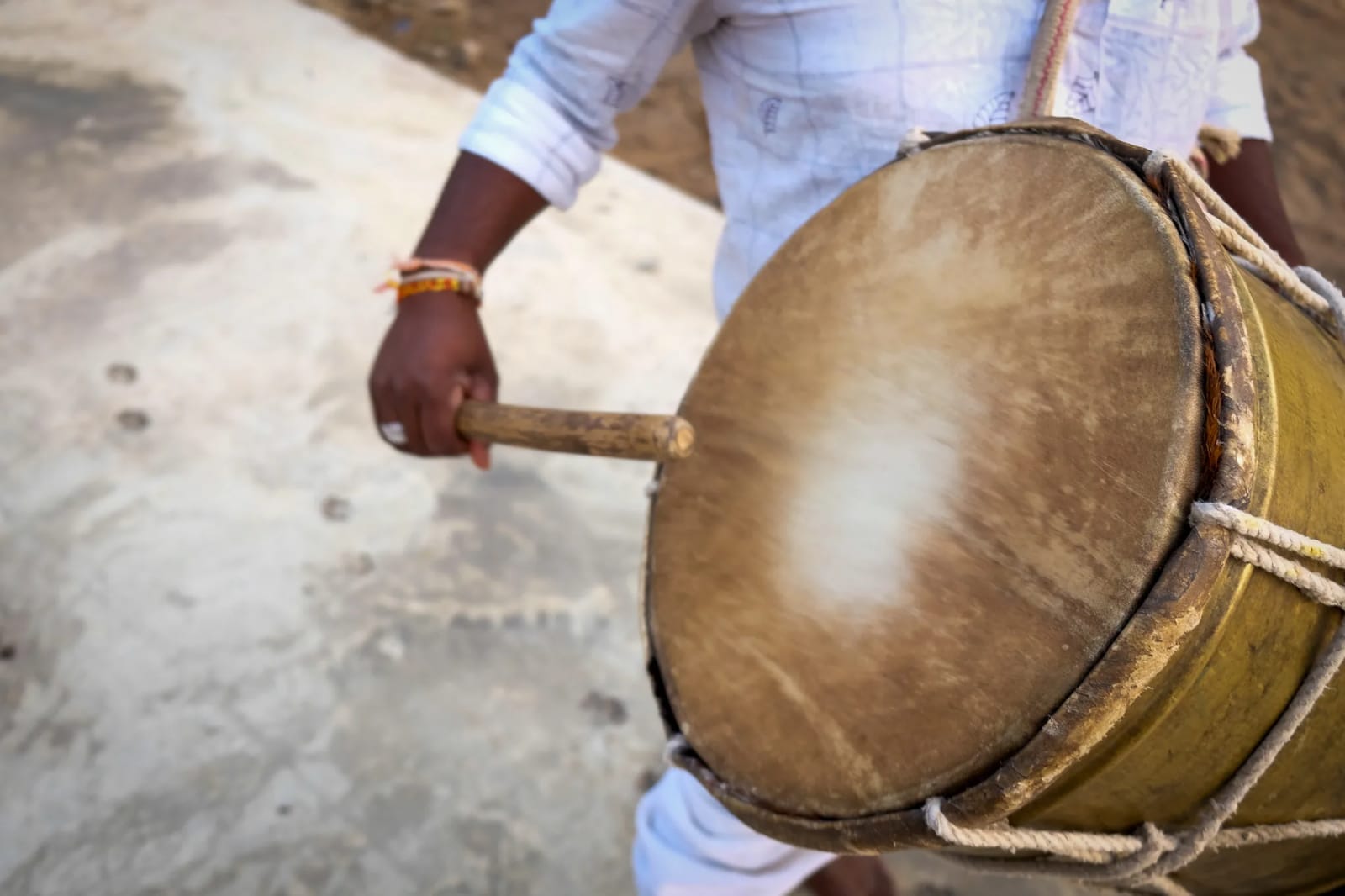
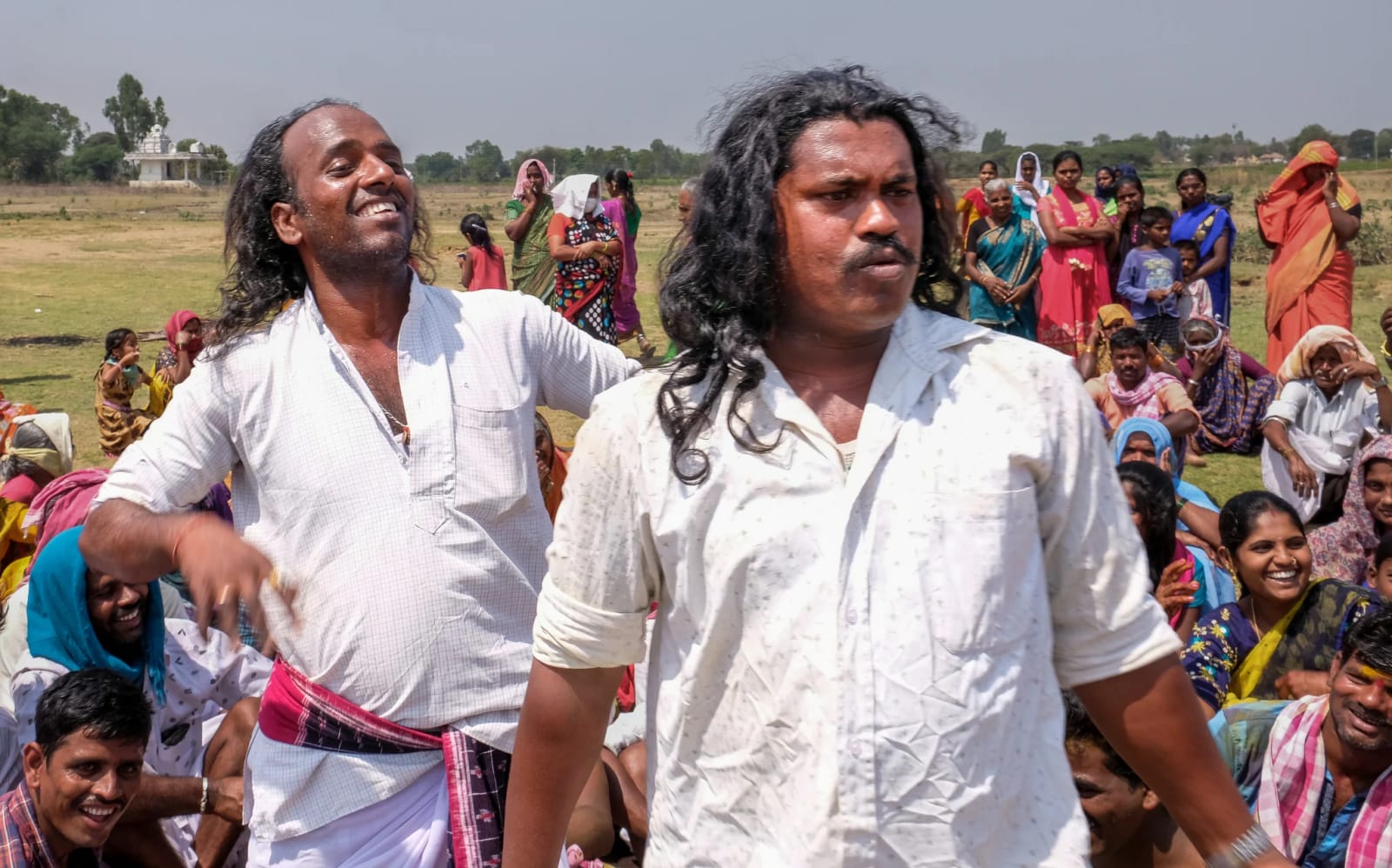
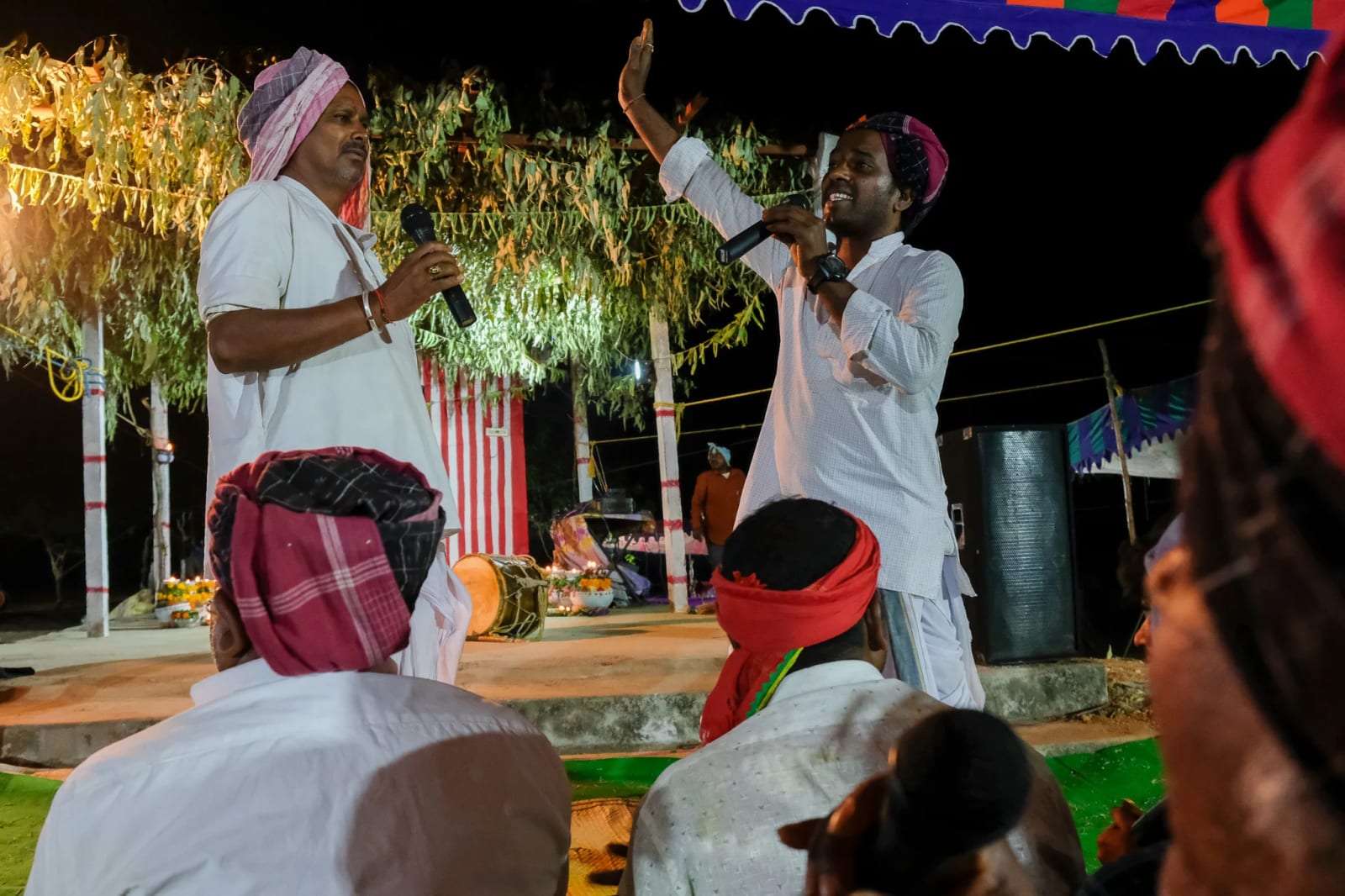
Oggu Katha is loud and relentless. The performers wear heavy brass anklets, carry large drums called dollu, and sing the epics of Beerappa, Mallanna and Yellamma. These gods guard grazing routes and water tanks, keep herds safe from fever, and mark where wild scrub ends and human settlement begins.
I met Nangi Rajendra there. During the jatre he sang the old myths with the veins standing out in his neck. A few months earlier he had been driving a supply truck on the desert highways of the UAE, earning ₹50,000 a month to send home. He told me, with quiet pride, that his Emirati employers trusted him. His rearview mirror was angled up toward the ceiling so he would never glance at the women passengers in the back.
Another young man had come down from Accenture’s office in Bangalore. He spoke to me in fluent English, yet he would not miss a single night, and slept through the afternoon heat in a gongudi on the temple floor while loudspeakers carried the folklore across the village.
The storytellers have adapted too. To keep the young listening, they weave PM Modi, the pandemic and Gulf migration into the old verses, right beside the demons who steal sheep and the divine wars.
Over two decades the grazing commons have been cut away for industrial corridors, highways, real estate layouts and fenced private land. Without grass, shepherds sell their herds and move to cities, to work as night watchmen, delivery drivers and road layers.
On the flight back from Hyderabad, I watched the grid of city lights spread into the dark, and one thought stayed with me.
Forests have their spirits. Lakes have their keepers. Grasslands have their gods. When the commons are paved into plots, where do those gods go?
Five days and nights of story and memory with the Kuruma shepherds of Telangana.
Growing up in the 1980s, you couldn’t miss Employment News. It was a thin, cheap weekly sold at bus stands and corner stalls, its columns packed with small print: government clerk posts, UPSC calls, NDA applications. You bought a copy, typed up your bio data, as resumes were called then, and took it to the regional employment exchange. If you were lucky you stood in a line that curled around the block, dropped your paper in a box, and waited weeks for a call letter that mostly never came.
It was a ritual of waiting, a way of fitting yourself into an economy that did not have enough room.
In the early heat of 2021, I found myself in Gargul village, in Telangana’s Kamareddy district, for a Beerappa jatre. Five days and five nights of story, blood and memory, performed by the Kuruma shepherding community.
The air smelled of raw turmeric, damp sheep wool and charcoal smoke. At 10:30 in the morning, four men covered in yellow paste waded into the village lake. For nearly an hour they dived blind, feeling along the bed for eighteen Linga stones wrapped in a gongudi, the coarse black wool blanket every Kuruma shepherd carries. On the bank, women stood motionless with lit earthen lamps balanced on their heads.
Nobody helped the men in the water. They searched by touch until the bundle was hauled out and dripped onto the bank, and only then could the Oggu Katha begin.
Oggu Katha is loud and relentless. The performers wear heavy brass anklets, carry large drums called dollu, and sing the epics of Beerappa, Mallanna and Yellamma. These gods guard grazing routes and water tanks, keep herds safe from fever, and mark where wild scrub ends and human settlement begins.
I met Nangi Rajendra there. During the jatre he sang the old myths with the veins standing out in his neck. A few months earlier he had been driving a supply truck on the desert highways of the UAE, earning ₹50,000 a month to send home. He told me, with quiet pride, that his Emirati employers trusted him. His rearview mirror was angled up toward the ceiling so he would never glance at the women passengers in the back.
Another young man had come down from Accenture’s office in Bangalore. He spoke to me in fluent English, yet he would not miss a single night, and slept through the afternoon heat in a gongudi on the temple floor while loudspeakers carried the folklore across the village.
The storytellers have adapted too. To keep the young listening, they weave PM Modi, the pandemic and Gulf migration into the old verses, right beside the demons who steal sheep and the divine wars.
Over two decades the grazing commons have been cut away for industrial corridors, highways, real estate layouts and fenced private land. Without grass, shepherds sell their herds and move to cities, to work as night watchmen, delivery drivers and road layers.
On the flight back from Hyderabad, I watched the grid of city lights spread into the dark, and one thought stayed with me.
Forests have their spirits. Lakes have their keepers. Grasslands have their gods. When the commons are paved into plots, where do those gods go?